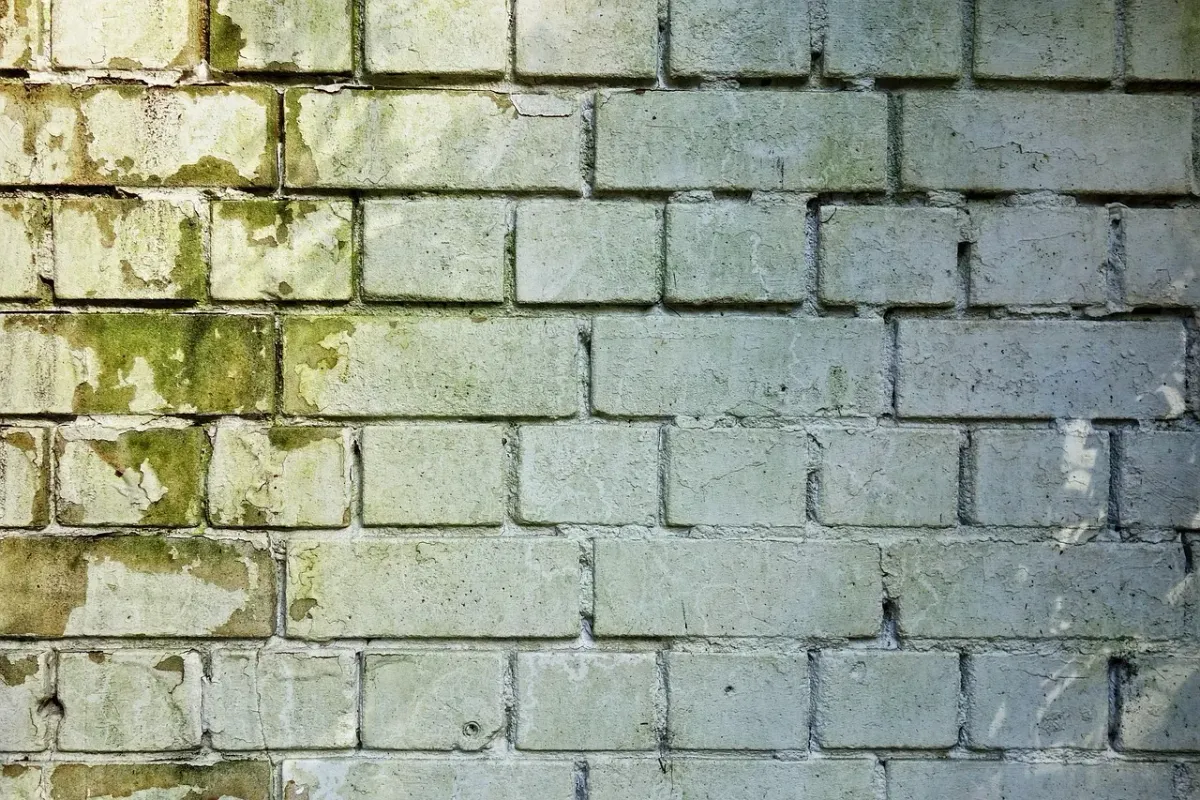
Rooftop and exterior facade leakages represent the leading source of property handover disputes in urban Taiwan, as dry weather walkthroughs mask defects that manifest as active seepage during typhoons and continuous monsoon rains. To uncover hidden building envelope vulnerabilities, property buyers should capitalize on the "golden 48-hour post-rain inspection rule," employing high-sensitivity infrared thermal imaging cameras to detect evaporative cooling water halos and cross-referencing high-frequency pinless moisture meters to confirm moisture infiltration before title handover.
Looking for the Chinese version of this article?切換至繁體中文版 →
Rooftop and Exterior Wall Leak Inspection and Thermography
This article is compiled from publicly available online sources for general reference only; readers should independently verify and judge its accuracy, and it is not legal, tax, medical or engineering advice. Rules, fees and subsidies change; check the latest notice from the responsible authority before acting. For electrical, gas, structural or health risks, consult a qualified professional.
This is the English edition of a Chinese article, adapted with AI assistance and checked against the original. Where the two differ, the Chinese version and the official sources it cites prevail.
Physics of Facade and Rooftop Infiltration: Wind-Driven Rain and Capillary Suction
Under typhoon conditions and strong northeast monsoons in Taiwan, wind pressure against building facades reaches 1000 Pa to 2000 Pa. Dynamic wind pressure forces rain droplets through 0.1 mm to 0.2 mm microscopic mortar cracks, driving moisture deep into concrete pores via capillary suction. Rainwater travels along structural cold joints and honeycombed aggregate voids, ultimately blistering interior paint finishes. On flat rooftops, failure to shape curved perimeter coves (R-angles) at parapet bases, improper fiberglass mesh embedding at drains, or inadequate 1% drainage slopes cause chronic water pooling that degrades waterproof coatings.
The Golden 48-Hour Post-Rain Inspection Rule and Continuous Simulation Spraying
The optimal window for leak auditing occurs within 48 hours following at least 24 hours of continuous rainfall. Rainwater fully saturates exterior porous masonry during this window, maximizing hydrostatic pressure heads. When dry weather prevails, professional inspection teams conduct high-pressure simulated rain tests:
- Window Frame Perimeter Spray Test: Mount high-pressure spray nozzles 1.5 meters above exterior window sills at a 45-degree angle, maintaining 2.0 kgf/cm² pressure for 30 to 60 minutes directed at frame corner miters, perimeter silicone joints, and bottom sill weeping channels.
- Rooftop Parapet Ponding Test: Seal roof drainage outlets to maintain standing water at 3 cm to 5 cm depth for 24 hours, confirming that parapet flashing extends at least 30 cm upward with zero moisture migration downward.
Thermal Camera Low-Temperature Water Halo Interpretation and Moisture Meter Correlation
Advanced non-destructive testing utilizes thermal imaging cameras with NETD sensitivity under 0.04°C. Evaporative cooling from saturated masonry lowers surface temperature by 1.5°C to 3.0°C compared to adjacent dry walls, generating dark blue or purple cool spots on camera displays. Thermal cameras must be calibrated with emissivity set between 0.92 and 0.95 (matching plaster and latex paint) alongside ambient reflected temperature compensation to avoid false reflections from lighting or body heat. Cross-verifying these areas with an electromagnetic moisture meter yields definitive diagnosis:
- Normal Dry Masonry: Moisture reading remains strictly under 6% to 8%.
- Suspected Damp Zone: Moisture registers between 9% and 14%, indicating moisture migration without full pore saturation.
- Active Severe Seepage: Moisture spikes beyond 15% to 25%, proving active rainwater ingress channels through the structural envelope.
Window Frame Corner Silicone Joint Auditing and Sill Weeping Hole Inspection
Over 80% of exterior wall leaks concentrate around aluminum window assemblies. Inspect exterior frame perimeters to ensure high-grade modified silicone (MS Polymer) or neutral silicone sealant was applied with a minimum 10 mm width and 8 mm depth, checking for adhesive peeling or surface micro-cracking. Examine bottom window tracks for factory-punched stepped drainage weep holes; if clogged by construction mortar dust, stormwater overflows interior window sills during severe windstorms.
Rooftop and Facade Leakage Inspection Technical Standards and Criteria Matrix
| Building Envelope Element | Inspection Tool & Method | Compliance Baseline Threshold | Identified Defect | Remediation Protocol |
|---|---|---|---|---|
| Window Frame Perimeter | 30-minute spray test + thermal scan | Zero dripping, temp delta < 1°C | 45-degree corner shear crack leak | Rake out old sealant, apply MS polymer |
| Rooftop Parapet Flashing | 24h ponding test + thermal camera | Ceiling moisture strictly < 6% | Torn corner membrane, damp ceiling | Demolish parapet base, rebuild R-angle |
| Roof Floor Drain Outlet | Borescope inspection of pipe rim | Secure drain grate, seamless flange | Missing fiberglass mesh at pipe root | Install polyurethane clamping flange |
| Exterior Tile Grout | Post-rain 48h thermal scan | Uniform wall color, zero cool halo | Hollow tile debonding, grout loss | Spray silane-siloxane crystalline sealer |
Homeowners assessing building envelope risks can utilize our interactive home inspection checklist calculator, reference our wall leakage inspection techniques, and examine residential leak detection and repair methodologies for comprehensive handover preparation.
Frequently Asked Questions
How can exterior leaks be inspected if walkthrough day is completely sunny with no rain?
Commission continuous high-pressure spray tests directing water onto window perimeters for 30 to 60 minutes, and demand contractor handover records of mandatory 48-hour roof ponding tests conducted prior to occupancy permit issuance.
Must builders repair fine exterior hairline cracks smaller than 0.1 mm?
Yes. Under intense subtropical heat and seismic vibrations, 0.1 mm hairline cracks widen beyond 0.5 mm within 1 to 2 years, facilitating wind-driven rain penetration. Builders must apply penetrating elastomeric primers prior to handover.
Can a ponding test still be executed if thermal roof insulation tiles are already installed?
Yes. Flood water 2 cm to 3 cm above the insulation tile bedding mortar, maintaining water for 24 hours while scanning the ceiling of the unit directly below with thermal cameras to verify underlying membrane integrity.
Sources and References
Technical publications and meteorological references consulted:
- National Land Management Agency, MOI: Building Exterior Waterproofing Manual
- Central Weather Administration: Taiwan Extreme Rainfall and Wind Observation Data
Disclaimer: This technical guide is compiled from public engineering references and building standards. Actual on-site conditions vary across individual properties; readers should evaluate technical applicability carefully and consult qualified trade professionals.
Related reading: Taipei Building Facade Tile Inspection and Thermal Scans · Terraced Party Wall Leak Detection and Repair Cost Sharing · Taiwan Tech Home Inspection: Tool Limits and Leak Claims