Wall leaks are a common and troublesome home problem. It may affect the appearance at least, with peeling, yellowing or mildew on the wall; it may damage the building structure or even affect the health and safety of the residents. The most troublesome thing is that wall leaks are often not easy to detect in the early stages. By the time the problem becomes apparent, the damage has expanded and the repair cost is higher. Therefore, early detection of signs of wall leakage and taking appropriate measures are key to maintaining the quality of your home.
This article will start from actual experience and teach you how to determine whether there is water seepage or leakage in the wall. It will also provide inspection techniques, prevention suggestions and repair strategies to help you discover and deal with it early.
1. Why do walls leak?
Before we discuss how to "early detect" in depth, let's first understand the possible causes of wall leakage. Generally, wall leakage can be divided into the following situations:
- Exterior wall water seepage: Commonly seen when it rains, rainwater enters through the small cracks in the exterior wall, brick joints or window frames, causing moisture in the interior wall.
- Broken or leaking pipes: Aged or improperly constructed water pipes can cause internal leaks, usually in kitchens, bathrooms, or walls near pipe closets.
- Water leakage from residents upstairs: If you live in an apartment building, if the waterproofing layer in the unit above is damaged or leaking, water may penetrate into the lower walls.
- Condensation water accumulation: When the temperature difference between indoor and outdoor is large, water vapor condenses on the wall, which will also form wet stains and mildew stains in the long run.
- Ageing or failure of the waterproof layer: The wall waterproofing construction is not perfect or is in disrepair, causing water vapor to penetrate the wall.
After understanding the reasons, you can make judgments and take precautions against potential risks.
2. Early signs of wall leakage
There may not be obvious water droplets or water stains in the early stage of wall leakage, but the following five warning signs are often the earliest signs of abnormality:
1. Blistering, swelling or peeling of the wall
Bubbles, local bulges or peeling on the surface of the paint or wallpaper are often a sign of moisture seeping from the inside, especially in corners near windows or ceilings.
2. Color changes: yellowing or water stains
If the color of the wall gradually becomes darker or obvious yellow-brown water stains appear, especially after rain, it means that the wall may have absorbed water.
3. Mold and odor
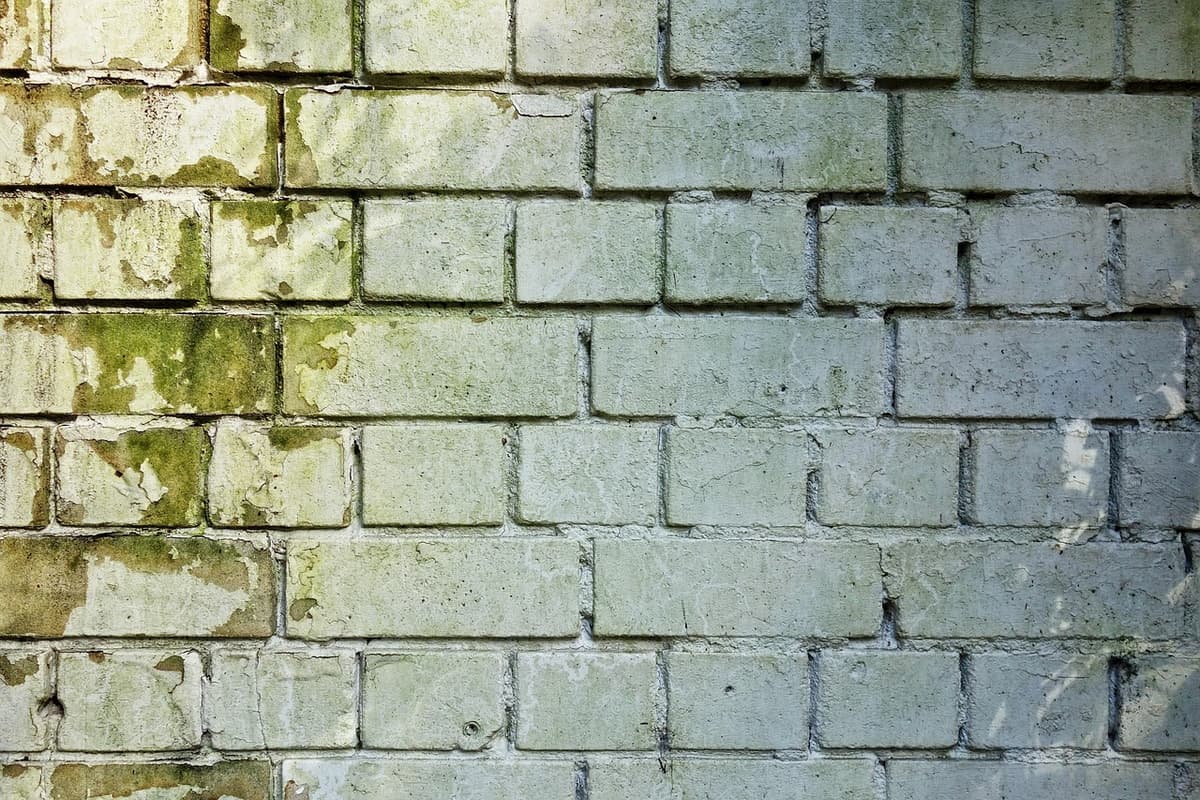
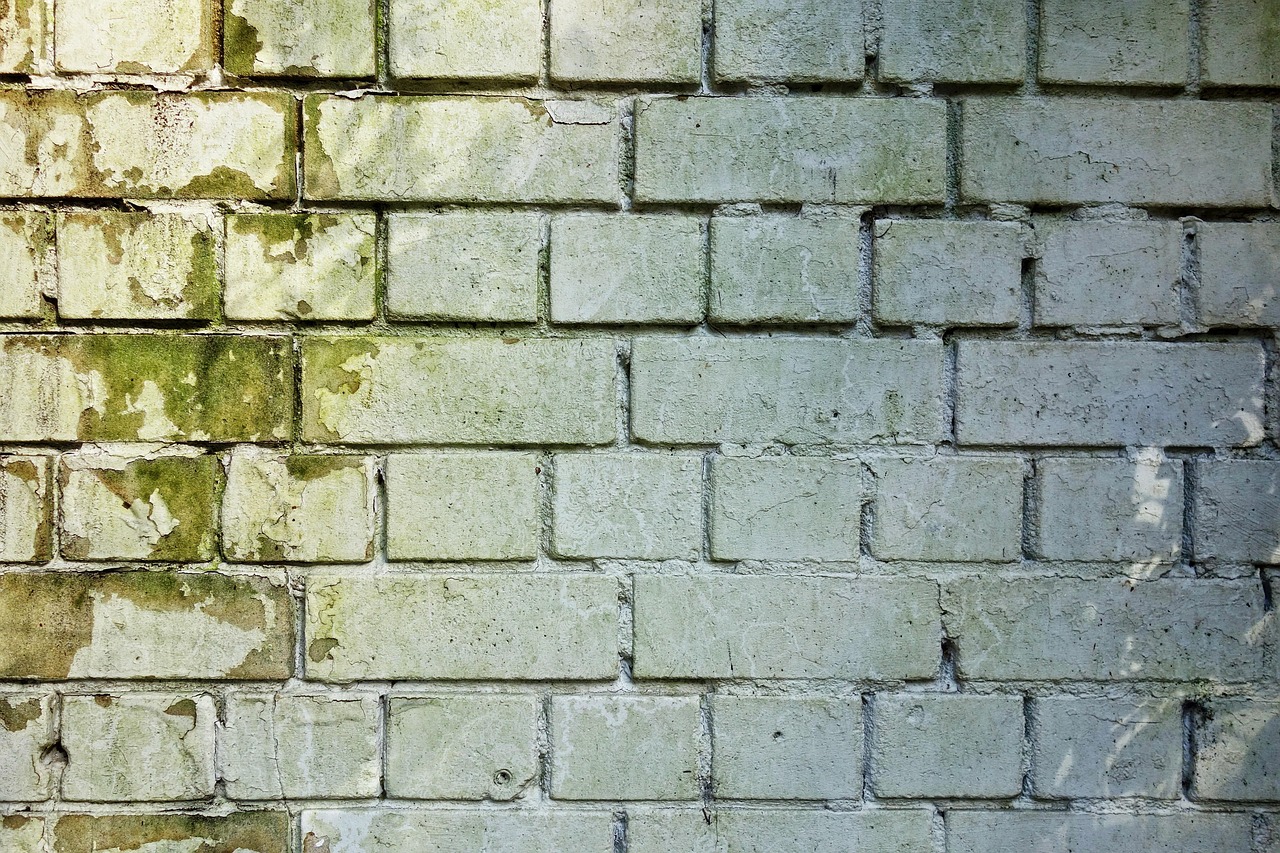
Long-term presence of moisture will breed mold. Black spots or gray-green mold spots appear on the wall, and even a musty smell is a typical warning sign of water leakage.
4. Abnormal wall temperature
If you touch the wall with your hands, if some areas feel particularly cold or damp, it may be caused by moisture accumulation.
5. Abnormalities also occur in adjacent areas
For example, when there are abnormalities on the walkway outside the bathroom wall, living room or bedroom wall, you should consider whether the water pipe system behind the wall is leaking, which indirectly causes the wall to become damp.
3. How to check whether the wall is leaking by yourself?
You can conduct a preliminary inspection to assess whether there may be a water leakage problem through the following methods:
- Observation method on rainy days:Choose 1 to 2 days after it rains, and use your eyes to observe whether there are wet marks or water stains on the walls near the windows, exterior walls, ceilings, and pipes.
- Hand touch method: Touch the wall lightly with the back of your hand to feel if it is moist or unusually cool. You can also press toilet paper against the wall to see if there are any traces of moisture remaining.
- Use a hygrometer or infrared thermometer: Commercially available digital hygrometers can measure wall humidity, while infrared thermometers can detect local temperature differences and are commonly used tools by professionals.
- Tapping method: Tap the wall with your fingers or tools. If the sound is crisp and clear, it is normal. If the sound is dull and hoarse, it may be damp or hollow inside the wall.
- Observe the area of electrical appliances or sockets: If there are obvious signs of moisture, electrical jumps or corrosion on the wall around the socket, it may be due to water leakage causing the circuit to become damp, so special care must be taken.
4. The hidden danger of water leakage
Many people think that water marks and mildew spots on the wall are not a problem. In fact, this idea is completely wrong. Wall leakage will not only cause aesthetic damage, but may also bring the following hidden risks:
- Structural deterioration: Long-term moisture penetration will cause concrete to become brittle and steel bars to rust, reducing the durability of the building.
- Short circuit in wires: If water vapor penetrates into the circuit, it can easily cause a power outage or even a fire.
- Health issues: Mold growth can cause allergies, asthma, and respiratory diseases, and is especially dangerous for infants, young children, and the elderly.
- Financial losses: Severe water leakage requires large-scale demolition and reconstruction, which is time-consuming, labor-intensive and costly.
5. How to prevent and repair wall leaks?
After early detection, of course, it must be dealt with promptly. The following are some practical suggestions:
- Find the source of water leakage: You can ask professional plumbers or architects to use infrared photography, water leakage detectors and other equipment to help confirm the location of the water source, so as to avoid "treating the symptoms but not the root cause".
- Reinforce the waterproof layer: For exterior walls, bathrooms or ceilings to be re-waterproofed, use waterproof materials with good reputation and have them constructed by professionals.
- Update old pipelines: If the water pipes are rusted or the joints are loose, they need to be replaced with new pipes and use strong techniques such as hot-melt welding to avoid future leaks.
- Improve ventilation and moisture removal: A humid environment is not conducive to drying and maintenance. Dehumidifiers, exhaust fans, opening windows, etc. can be installed to improve air circulation.
- Regular inspection and maintenance: Self-inspection of key areas, such as bathroom exterior walls, windows, balcony walls, etc., can be carried out every six months. If any abnormalities are found, deal with them as soon as possible.
6. When should you seek professional help?
Not all wall leakage problems can be solved by yourself. It is recommended to seek professional assistance immediately in the following situations:
- Water stains or mildew spots appear on multiple walls at the same time
- The ceiling drips or the wall begins to fall off
- The source of the leak cannot be found
- Involved in public water seepage problems with neighbors or other residents in the building
- Repeated leaks after repairs
Finding the right professionals can save you a lot of time and cost, and can solve the problem with more peace of mind.
Conclusion: If water drips continuously, it will eventually become a serious problem
Wall leakage is not a trivial matter. Behind it may be hidden serious problems such as aging pipelines, building structure problems, and waterproofing failures. As long as we pay more attention and make good use of observation and basic tools, we can detect abnormalities early and repair them in time to avoid small problems turning into major disasters.
Remember, if water drips continuously, it will eventually become a serious problem; only by detecting it early can we effectively prevent problems before they occur.
🇹🇼 Expat Living Note: Home Repairs in Taiwan
If you are an international resident renting an apartment in Taipei, New Taipei, or anywhere in Taiwan:
- Voltage & Electrical Safety: Taiwan standard household voltage is 110V (60Hz). Do not plug 220V imported European/UK appliances directly without a certified step-up transformer.
- Plumbing Terminology: Local plumbers are called 水電 (Shuǐdiàn) and handle both water and electrical repairs.
- Landlord Obligations: Under Article 429 of Taiwan Civil Code, landlords are legally responsible for repairing natural wear and tear (such as hidden wall pipe leaks, water heater faults, or booster pump failures) unless explicitly waived in your lease.
Legal Disclaimer
The information provided on this website is for general educational and reference purposes only. For hazardous repairs involving live 220V electrical circuits, main gas lines, or structural wall drilling, always consult certified, licensed technicians. SOSfix disclaims any liability for personal injury or property damage resulting from DIY repair attempts.

![[No need to demolish walls to inspect a medieval house] How to catch leaks without breaking bricks? Popular science "non-destructive moisture meter" and "infrared thermal imaging camera" for non-destructive physical diagnosis of water leakage](/images/interior-2685521_1280.jpg)
![[Exterior wall skinning chemical anchors] Marble exterior wall dry construction method anti-fall safety: chemical anchor pull-out test and back-filled foam glue aging anti-leakage water construction method](/images/brick-wall-3194516_1280.webp)