Wall leakage is a common but difficult problem. If not detected early, it may cause wall damage, mold growth, and even affect the structural safety of the house. This article will introduce how to identify the signs of wall leakage, inspection methods and preventive measures to help you protect your home environment.
Signs of wall leakage
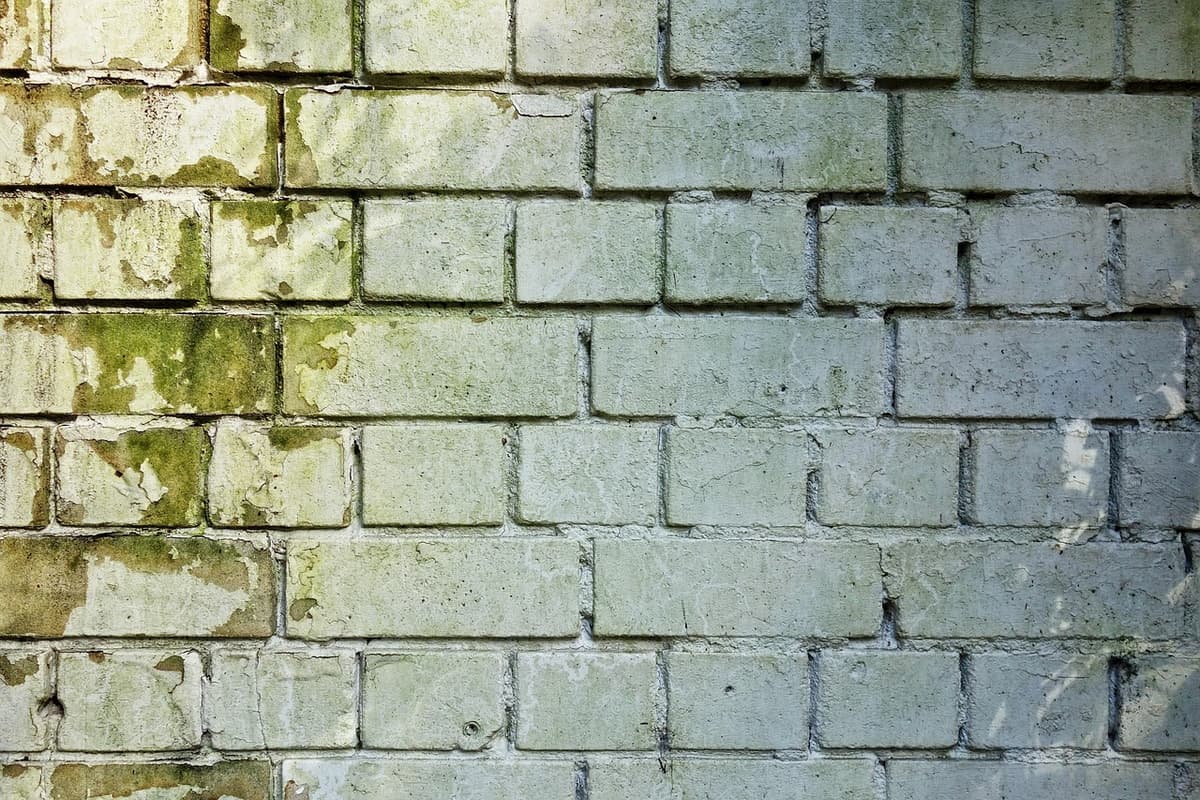
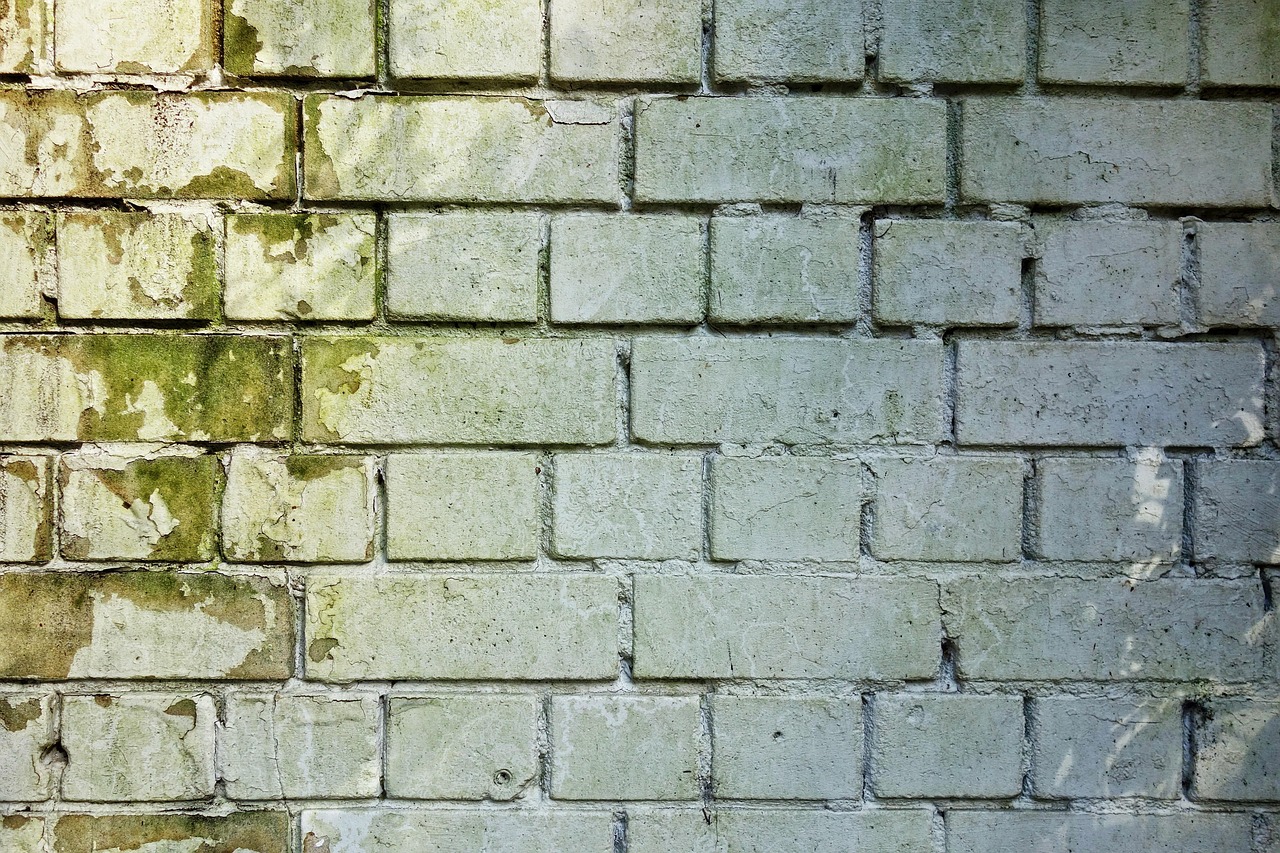
- Discolored or peeling walls: Yellow or brown water stains on walls, or peeling paint, are usually telltale signs of a water leak.
- Mold or odor: If there is a musty smell or black mold spots on the walls or corners, it may be caused by long-term water seepage.
- Moist wall: If the wall feels clammy when you touch it, especially after a rainy day, it may be a water leakage problem.
- Abnormal increase in water bill: If your water bill suddenly increases, it may be a hidden leakage problem.
How to check for water leaks
- Visual inspection
Check the walls for water damage, discoloration or peeling. Pay special attention to walls near water pipes, windows, or roofs, as these areas are more likely to leak.
- Check water pipes and connections
Check water pipes in walls or under floors for signs of leaks. Use a flashlight to check for loose or dripping water pipe connections.
- Use a water leak detector
If you suspect a water leak but cannot find the source, you can use a professional water leak detector to pinpoint the leak point.
- Test the roof and exterior walls
After rain, check whether the roof is damaged or whether there are cracks in the exterior walls. These are common causes of external water intrusion.
Methods to prevent water leakage
- Regular inspection of roofs and exterior walls: Inspect roof tiles and exterior wall waterproofing once a year and repair cracks in a timely manner.
- Install a waterproof layer: Install a waterproof layer on walls or bathrooms and other water-prone areas to reduce the risk of water leakage.
- Keep drainage smooth: Make sure the drainage ditches outside the house are not clogged to prevent rainwater from seeping into the walls.
- Use high-quality materials: Choose durable water pipes and waterproof materials to reduce aging problems.
When to seek professional assistance?
If you find large-scale water damage or cannot locate the source of the leak, you should contact a professional plumber technician immediately. They can use specialized equipment to find problems quickly and fix them before the damage spreads.
Conclusion
Catching wall leaks early can avoid costly repairs and health risks. Through regular inspections and simple preventive measures, you can protect the walls of your home and extend the life of your home. Start checking now to keep your home safe!
🇹🇼 Expat Living Note: Home Repairs in Taiwan
If you are an international resident renting an apartment in Taipei, New Taipei, or anywhere in Taiwan:
- Voltage & Electrical Safety: Taiwan standard household voltage is 110V (60Hz). Do not plug 220V imported European/UK appliances directly without a certified step-up transformer.
- Plumbing Terminology: Local plumbers are called 水電 (Shuǐdiàn) and handle both water and electrical repairs.
- Landlord Obligations: Under Article 429 of Taiwan Civil Code, landlords are legally responsible for repairing natural wear and tear (such as hidden wall pipe leaks, water heater faults, or booster pump failures) unless explicitly waived in your lease.
Legal Disclaimer
The information provided on this website is for general educational and reference purposes only. For hazardous repairs involving live 220V electrical circuits, main gas lines, or structural wall drilling, always consult certified, licensed technicians. SOSfix disclaims any liability for personal injury or property damage resulting from DIY repair attempts.