Direct answer: when a balcony has only one 4-fen (1/2-inch) outlet but must supply both a washing machine and a garden hose, the most secure approach is to replace the single-outlet tap with a one-piece brass dual-outlet faucet (including a dedicated anti-detach nozzle for the washing machine), or to add a brass one-to-two splitter with independent ball valves at the wall outlet. Never buy a cheap plastic quick splitter (under long-term building water pressure it very easily bursts and leaks). 3 on-site self-check steps: first, locate the main water valve before the water meter and test whether it shuts the water off completely; second, check whether the in-wall female-thread elbow where the existing tap meets the wall is rusty or cracked; third, prepare thread seal tape (PTFE tape, 貼布西路) and an adjustable wrench.
Balcony Faucet Splitter: Washing Machine and Garden Hose
This article is compiled from publicly available online sources for general reference only; readers should independently verify and judge its accuracy, and it is not legal, tax, medical or engineering advice. Rules, fees and subsidies change; check the latest notice from the responsible authority before acting. For electrical, gas, structural or health risks, consult a qualified professional.
This is the English edition of a Chinese article, adapted with AI assistance and checked against the original. Where the two differ, the Chinese version and the official sources it cites prevail.
Stop unplugging the washer hose: comparing 3 balcony one-to-two water supply upgrades
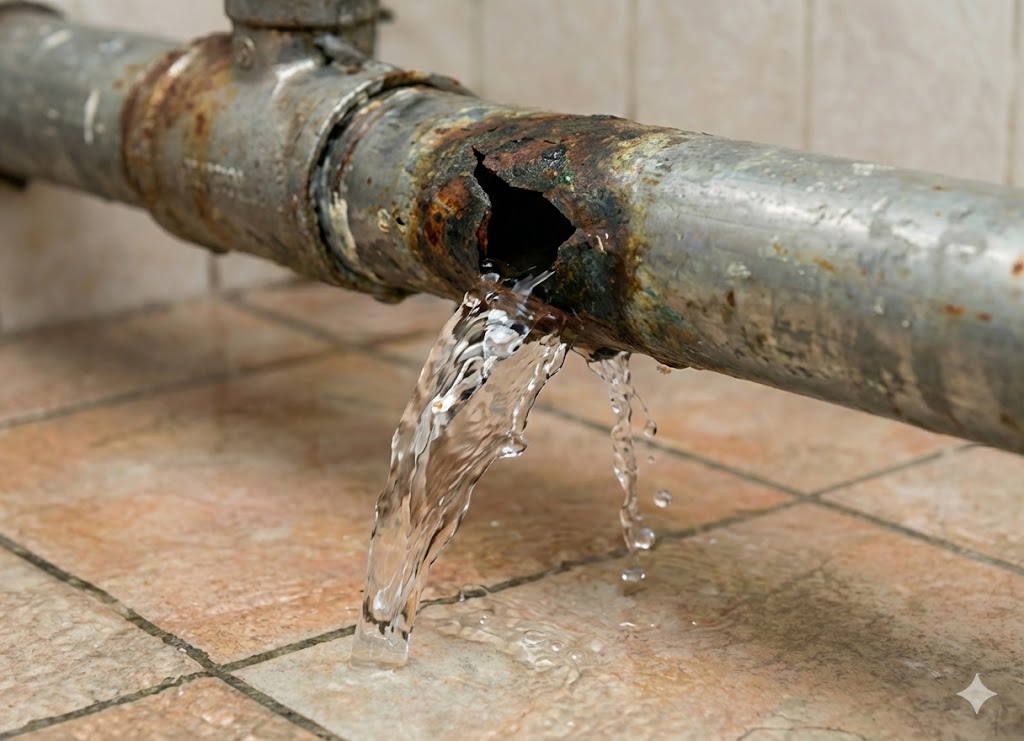
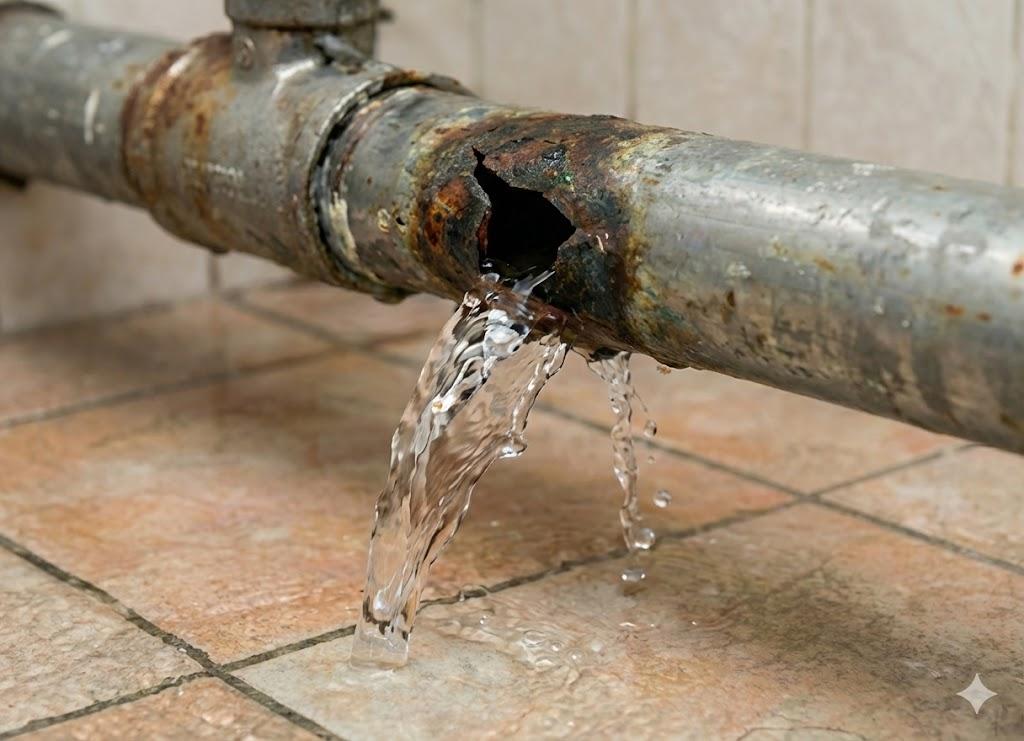
On the rear balcony of many urban homes, the builder usually leaves only one 4-fen (1/2-inch) standard outlet on the wall for the washing machine. When owners want to grow flowers, wash the floor or install automatic drip equipment on the balcony, they face a dilemma: every time they water, they must shut off the water, struggle to pull off the washing machine's quick-release inlet connector, and attach the garden hose; after watering they must swap it back again. Frequent plugging and unplugging not only wears out the spring detent balls of the washing machine's plastic connector; if it is ever not pushed in and latched firmly, the connector can come off when the machine fills, and high-pressure tap water will spray like a fire hose all night, flooding the balcony and even seeping into the home below.
To solve the single-outlet problem, there are 3 retrofit options on the market: the first is the plastic Y-type quick connector common in hardware stores; the second is a brass one-to-two splitter valve attached externally to the existing tap outlet; the third is removing the old tap entirely and replacing it with a one-piece dual-outlet double-handle faucet. From a plumbing and electrical engineering perspective, the three differ enormously in pressure life and leak risk. If a retrofit leak causes water damage, you can use the water leak cost calculator to estimate the water bill loss, and consult the building leak liability checker to protect your own rights.
Replacing a dual-outlet faucet yourself in 5 steps: clockwise thread seal tape wrapping and leak prevention
Replacing a balcony one-piece dual-outlet faucet is a popular DIY project for many owners. With the correct sequence, doing it yourself takes about 20 minutes. Follow these 5 standard steps:
- Shut the main supply valve and release pressure: go to the top floor beside the water meter and turn the unit's water inlet valve clockwise to close it; then return to the balcony and open the existing tap to drain the residual water and pressure from the pipe, and start work only after confirming the flow has stopped completely.
- Unscrew the old faucet counterclockwise: clamp the old faucet body with a 10-inch or 12-inch adjustable wrench and turn it off counterclockwise with steady force. Note: the force must stay smooth and perpendicular to the wall; never rock it violently left and right or up and down, or you may damage the fixed elbow inside the wall.
- Clean the in-wall female threads: after the old faucet is removed, the wall outlet hole usually holds old yellow-brown seal tape or rust. Use a discarded toothbrush or a flat-head screwdriver to gently brush all the residue out of the female thread grooves, then wipe dry with a dry cloth. If the threads are not clean, the newly wrapped seal tape cannot bite tightly.
- Wrap the thread seal tape correctly (PTFE tape): take the new faucet, hold the tape in your right hand with the threads facing you, and wrap it flat and taut in the clockwise direction (the same direction as screwing in). The number of turns is whatever covers the threads evenly, usually about 5 to 10 turns, adjusted to the coarseness of the threads (too few easily drips; too many fills the threads so the faucet cannot screw in all the way). After wrapping, pinch once around the threads with your fingers in the same direction so the tape sticks tightly to the threads.
- Screw into the wall clockwise and set the position: first, by hand, align the new faucet with the in-wall female thread and screw it in clockwise 2 to 3 turns (it should feel smooth with no resistance; if it jams, do not force it, to avoid stripping the thread); then tighten gently with the adjustable wrench. Stop when the resistance clearly increases and the faucet points straight down. Plumbing leak-prevention reminder: if you overturn during tightening, never turn back counterclockwise to adjust. Turning back, even by only 1/4 turn, can leave tiny tears or gaps in the seal tape inside, and it will easily leak once the water is on; if you overturned, the only correct approach is to back it all the way out, tear off the tape and wrap it again.
Pressure tolerance and leak risk of the three balcony one-to-two retrofit options
A water-supply retrofit must account for both the building's static water pressure and the water hammer shocks from the washing machine. The following compares the pressure tolerance, lifespan and safety of 3 common options:
| Retrofit type | Material and structure | Pressure tolerance | Safety when left open to the washing machine | Relative durability | Suitable situations and plumber/electrician (水電師傅) verdict |
|---|---|---|---|---|---|
| Plastic Y-type quick splitter | ABS plastic with rubber O-ring | Lower (prone to aging and brittle cracking) | Extremely low (pressure rises at night and it easily comes off and floods) | Shorter (plastic and rubber O-rings age easily) | Only for a temporary connection while you are present watering; never leave it open |
| Brass external one-to-two ball valve splitter | Brass / 304 stainless steel independent ball valves | Higher (go by the product's rated pressure) | High (both lines have independent metal ball valves) | Longer | Suits cases where the existing tap is in good condition and you do not want to remove the wall tap |
| One-piece dual-outlet faucet | 304 stainless steel / fully cast brass double valve cores | High (go by the product's rated pressure) | Highest (one outlet locks on the washing machine anti-detach nozzle, the other connects a spray gun) | Longest | The most recommended root-cause solution; neat-looking and eliminates leakage at adapter joints |
Biggest risk in apartments with a building age of 20 years or more: the stop signal when a faucet thread breaks inside the wall
Replacing a faucet in an old apartment or townhouse with a building age of 20 years or more hides one of the thorniest problems in plumbing and electrical work: a broken thread. Early building water pipes were often galvanized steel; over the years the inner wall oxidizes and rusts, seizing onto the threads of the brass faucet. If a low-quality zinc-alloy faucet was used, the metal body has long since become brittle.
When you turn the old faucet counterclockwise with a wrench, if it does not feel like a smooth, slightly sticky unscrewing but instead the metal is rock-solid and will not move at all, or under great force you even hear a faint metallic twisting and tearing sound from inside the tile, stop immediately; never hit it with a hammer or force it with an extended pipe. Excessive force will snap the faucet thread tip off flush inside the iron elbow in the wall. When a thread breaks, do not chisel at the female thread with a flat-head screwdriver; a professional plumber/electrician (水電師傅) will use a dedicated reverse-thread extractor (broken-pipe extractor) or a tungsten steel saw blade to carefully saw two longitudinal fine slits and remove the broken thread safely without damage. If you judge that the pipes in the old home are in poor condition, you can first consult the 24-hour emergency plumbing and electrical guide or the transparent plumbing and electrical repair price list.
Water hammer prevention and pressure testing after connecting the washing machine and watering spray gun
After installing the dual-outlet faucet, do not forget to run a high-pressure and water hammer test. During the fill cycle, the inlet solenoid valve inside a modern drum or top-loading washing machine opens and closes instantly, within milliseconds, by electrical signal; a high-pressure garden car-wash spray gun likewise cuts off the water the moment the trigger is released. By the principles of fluid mechanics, when high-speed flowing water in a pipe is blocked instantly, its kinetic energy is instantly converted into a shock pressure wave, which is commonly called the water hammer effect (Water Hammer).
Under a high-floor booster pump, water hammer may make the instantaneous pressure far higher than normal water pressure. Cheap plastic quick connectors are often blown off exactly at the instant the washing machine cuts off the water. Therefore: first, the washing machine inlet end must use a dual-outlet faucet with a dedicated nozzle that has an anti-backout steel-ball clip and groove; do not force a rubber ring in and lock it with a screw; second, when the garden hose is not in use, make a habit of turning that line's independent metal ball valve to the closed position, and never let the watering hose bear pressurized water 24 hours a day. In sudden situations such as a pipe bursting at night, contact the Taipei and New Taipei emergency plumbing and electrical on-site service immediately.
Frequently asked questions
If the thread seal tape still drips after I change a faucet, can I turn it back half a turn to adjust?
Absolutely not. This is the most common mistake beginners make when replacing a faucet. Raw thread seal tape works because the strong squeezing force between the threads as you screw in clockwise flattens and deforms it to fill the tiny metal pores. Once you turn back (counterclockwise), even by just 10 degrees, the compacted tape fibers separate from the threads and leave a tiny gap; even if it does not drip right away, water will still easily seep along the thread gap under pressure. If, after tightening fully, you find the outlet pointing up or at the wrong angle, the only correct fix is to unscrew the whole faucet, strip off all the old tape completely, wrap an appropriate number of turns again and screw it in again.
If the faucet is too tight to unscrew and I force it so it snaps inside the wall, do I have to break the tiles?
No, there is no need to break the tiles. When a faucet thread breaks inside the wall, a professional plumber/electrician (水電師傅) will use a dedicated tool, a four-fen pipe extractor (left-hand tap). The extractor has reverse tapered threads; after it is hammered into the center of the broken pipe and turned counterclockwise, it bites tighter and tighter into the broken pipe wall and steadily screws the remaining broken thread out. The whole process does not harm the tiles or the female threads in the wall at all, and the repair time depends on the condition of the broken thread.
Roughly how much does it cost to have a plumber/electrician (水電師傅) in Taipei and New Taipei replace a balcony dual-outlet faucet?
The cost varies with whether you supply the faucet yourself, whether the outlet is rusted and its threads need cleaning, and whether a broken thread requires an extractor. When booking, send the plumber/electrician photos of the existing faucet and wall for assessment first, and go by the written on-site quote given after the home inspection.
Sources
- Wikipedia: Water hammer: Water hammer is the sudden pressure surge produced when flowing liquid is abruptly stopped, commonly seen when a valve closes quickly.
- Wikipedia: Thread seal tape: The wrapping direction of seal tape should match the tightening direction, and too much wrapping prevents the threads from engaging fully.
Related reading: Dripping Faucet Costs: Inspection, Repair, and Water Loss · Faucet Watering Timer: Choosing, Installing, Fixing Leaks