Late at night, there is a regular dripping sound from the kitchen or bathroom. Many people choose to ignore it, thinking "it's just a little bit of water." But you may not know that this small oversight is quietly causing your water bill to swell. A faucet that is not closed tightly and drips one drop of water per second can waste more than 2,000 liters of water in a year, which is equivalent to tens of thousands of dollars in water bills flowing through the fingers.
The source of the dripping sound: common faucet types and fault points
First of all, we need to understand the faucets in our home. There are two main common ones: the traditional hot and cold knob-type faucet and the current mainstream single-lever lift-type mixing faucet. The reasons why they leak and how to repair them vary greatly.
- Single-lever lift faucet (the most common): Nine times out of ten, leakage problems arise from the internal "ceramic valve core". After long-term use, impurities in the water may wear the ceramic pieces, causing them to fail to seal completely and cause water leakage. The way to judge is that after turning off the water, water will still slowly seep from the faucet outlet.
- Two-knob faucets: The problem usually occurs under the knob. Leakage from the hot or cold water outlet is often caused by the aging or cracking of the internalrubber gasket.
- Water leakage from the faucet body or joint: This may be due to the loosening of the locking nut, or the insufficient winding of the waterstop below, which is an installation problem.
Three steps for DIY maintenance: Safety first
Before starting, be sure to complete the following preparations:
- Turn off the water source: Find the triangle valve (angle valve) under the sink, and use a flat-head screwdriver to tighten it clockwise. If not, you need to turn off the main water switch for the entire household.
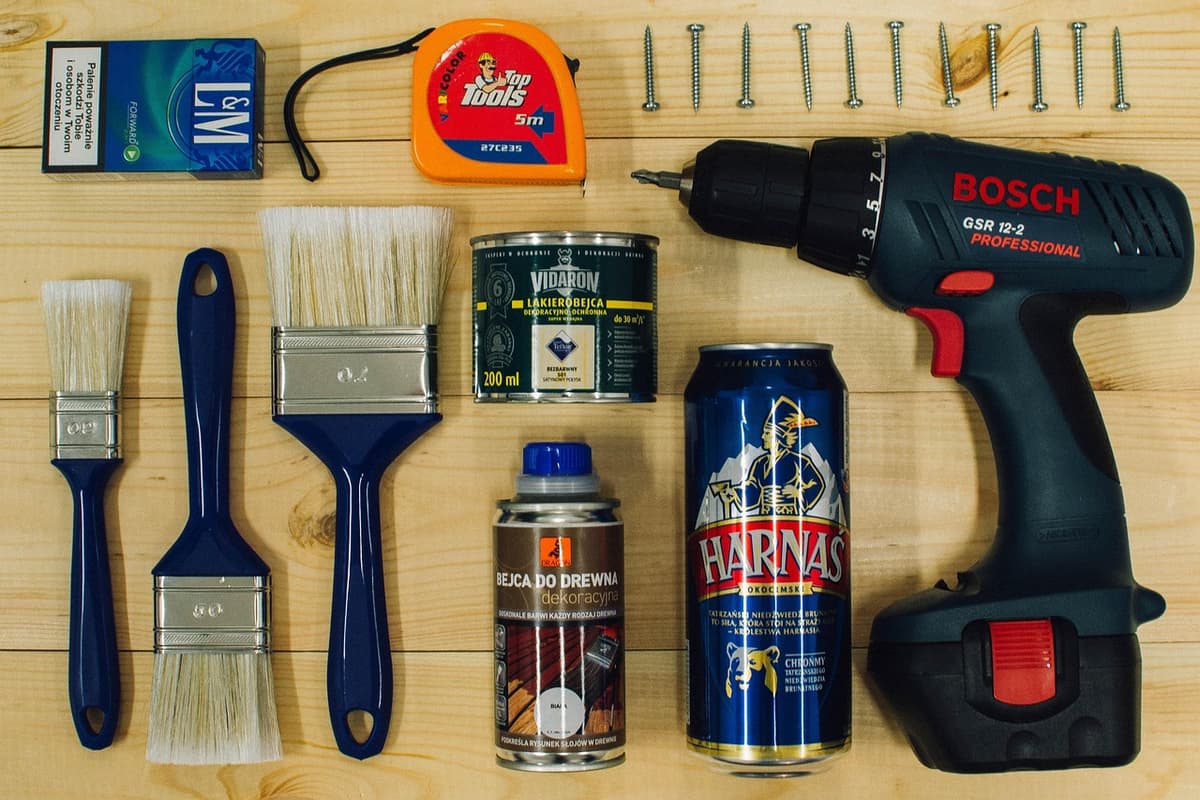
- Preparation tools: Allen wrench, adjustable wrench, flat-head screwdriver, and new valve core or gasket that meet the specifications (old parts can be removed and taken to the utility store for comparison and purchase).
- Start the inspection:
- Single-lever faucet: Use a screwdriver to pry open the hot and cold water indicator cover on the handle, remove the hexagon socket screws, and take off the handle. Then use a wrench to turn the valve core gland counterclockwise, take out the old ceramic valve core and replace it with a new one, and then lock it back in sequence.
- Double-knob faucet: Use a wrench to remove the knob decorative cover and fixing nut to see the old rubber gasket and replace it.
After completion, slowly turn on the water source and check whether there is still any leakage.
When is it necessary to find a professional plumber?
Although it is not too difficult to replace the valve core or gasket, it is strongly recommended to leave it to a professional if you encounter the following situations:
- Cracks or blisters (casting defects) appear on the faucet body.
- The leakage still cannot be stopped after replacing parts. The internal structure may be damaged.
- I am not familiar with the operation of the tool at all, and I am worried that I will not be able to put it back together after disassembling it.
In metropolitan areas such as Taipei and New Taipei, there are many plumbers and electricity companies that provide on-site maintenance services. They are experienced, can quickly diagnose problems, and have a complete range of parts. Although they need to pay wages and material fees, they can solve the problem once and for all, which saves money in the long run.
Saving water means saving money: an economic account that cannot be ignored
Let us do the math carefully: if a faucet drips 60 drops (about 3 ml) of water per minute, about 4.3 liters are wasted a day, about 130 liters a month, and more than 1,500 liters a year. Based on the tap water fee in Taipei City, which is about 7 to 12 yuan per kilowatt hour (1,000 liters), the water bill may be an extra 100 yuan a year. If the amount of water leakage is larger, the losses will be even more staggering. This is just the price of "a drop of water".
Develop the habit of turning off the faucet, checking it regularly, and proactively deal with water leaks when you find them. This will not only protect your wallet, but also contribute to Taiwan's water resources. Don’t let that ticking sound become a small hole in your family’s finances.
🇹🇼 Expat Living Note: Home Repairs in Taiwan
If you are an international resident renting an apartment in Taipei, New Taipei, or anywhere in Taiwan:
- Voltage & Electrical Safety: Taiwan standard household voltage is 110V (60Hz). Do not plug 220V imported European/UK appliances directly without a certified step-up transformer.
- Plumbing Terminology: Local plumbers are called 水電 (Shuǐdiàn) and handle both water and electrical repairs.
- Landlord Obligations: Under Article 429 of Taiwan Civil Code, landlords are legally responsible for repairing natural wear and tear (such as hidden wall pipe leaks, water heater faults, or booster pump failures) unless explicitly waived in your lease.
Legal Disclaimer
The information provided on this website is for general educational and reference purposes only. For hazardous repairs involving live 220V electrical circuits, main gas lines, or structural wall drilling, always consult certified, licensed technicians. SOSfix disclaims any liability for personal injury or property damage resulting from DIY repair attempts.