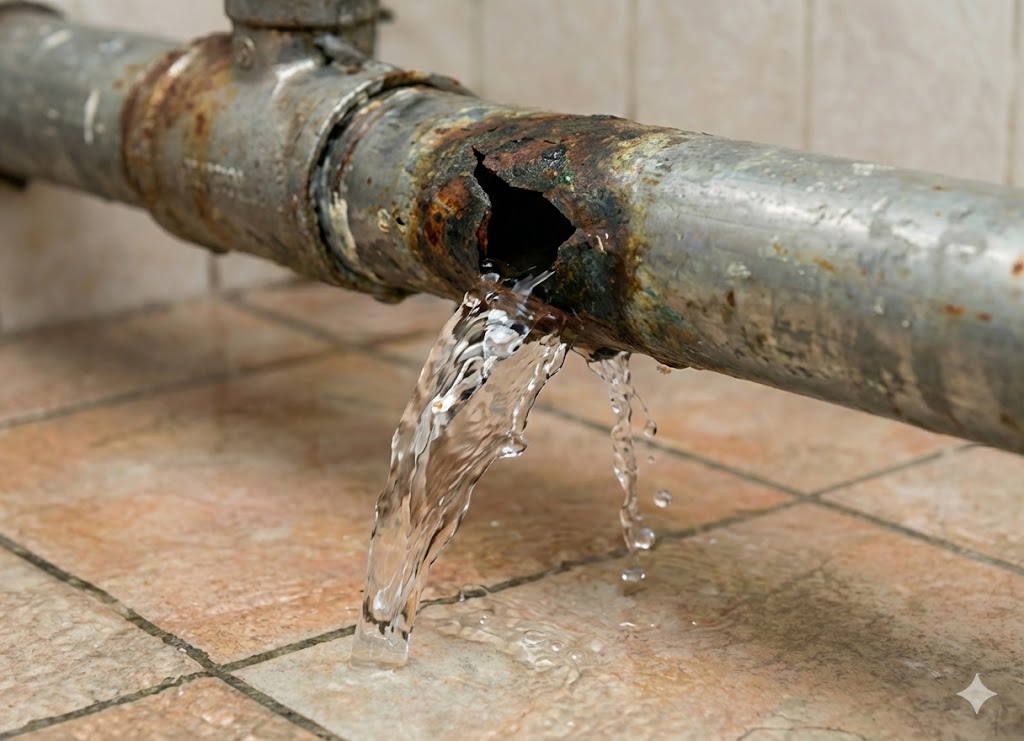
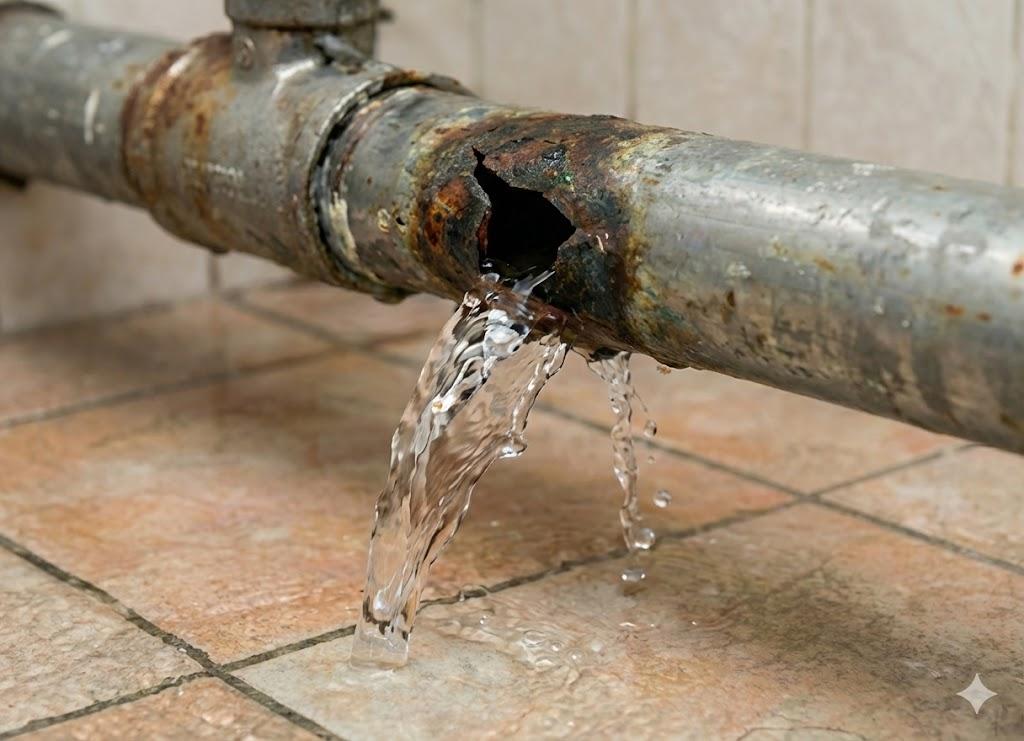
Direct answer: when a balcony drains slowly or floods in heavy rain after you start keeping potted plants, it is usually because peat soil, perlite, expanded clay pebbles and dead leaves washed out of the pot bottoms while watering have settled and caked in the P-trap (drain trap) under the floor drain. Do not pour in a strong alkaline drain cleaner (drain cleaners cannot dissolve soil and gravel, and instead set with the soil into a hard lump and corrode old PVC pipe). Three on-site self-checks: first, move the pots away from the drain and unscrew the drain cover; second, shine a flashlight to check the water level in the P-trap and how deep the soil sits; third, use tongs or a wet vacuum to remove the surface sludge, then pour water in to test the flow rate.
Balcony Drain Clogged by Plant Soil: Cleanout, Prevention
This article is compiled from publicly available online sources for general reference only; readers should independently verify and judge its accuracy, and it is not legal, tax, medical or engineering advice. Rules, fees and subsidies change; check the latest notice from the responsible authority before acting. For electrical, gas, structural or health risks, consult a qualified professional.
This is the English edition of a Chinese article, adapted with AI assistance and checked against the original. Where the two differ, the Chinese version and the official sources it cites prevail.
Why balcony plants clog drain pipes: how potting soil settles in the P-trap
In Taiwan's apartment buildings and townhouses, balcony floor drains mostly use PVC drain pipe with a diameter of 50 mm (2-inch). Under the drain-trap provisions of the Ministry of the Interior National Land Management Agency's technical specifications for building water supply and drainage equipment design, sanitary fixtures need a trap (P-trap or S-trap) that keeps a water seal of a certain depth. Its core function is to use the water left in the bend to block sewer gas and odors from the sewer and public septic tank, as well as moths and mosquitoes, from flowing back into the room.
However, many plant lovers growing monstera, fiddle-leaf fig, staghorn fern or succulents on the balcony habitually use akadama soil, perlite, expanded clay pebbles, vermiculite and fine-grained peat soil. When too much water is applied or heavy rain washes over the pots, fine particles keep flowing out of the pot drainage holes onto the floor. These mineral and organic soil materials are denser than water; as they pass through the floor drain into the bottom of the P-trap, the flow slows quickly and the particles settle firmly in the bottom of the U-shaped bend. Over time, soil mixed with leaf fibers dries and compacts inside the pipe into a cement-like hardened sludge, which greatly narrows the original 50 mm effective diameter. Once heavy rain or a washing machine's large discharge arrives, the balcony floor floods at once. If poor drainage leaves standing water that seeps into cracks in the floor and leads to disputes, you can first consult the 24-hour emergency plumbing and electrical repair guide and use the water leak bill loss calculator to assess the water damage risk.
A safe 4-step method to clear a balcony drain blocked by soil and leaves
When you notice the balcony is draining clearly more slowly, do not rush to buy flaked sodium hydroxide (lye) or concentrated sulfuric acid drain cleaner and pour it in. Strong alkali and strong acid only work on organic matter such as grease and hair; they have no power to dissolve inorganic minerals such as expanded clay pebbles, peat soil and gravel. The heat from the chemical reaction can also soften and deform thin-wall PVC pipe and break its glued joints, and can even make the soil harden into a solid ceramic-like lump. Follow the standard 4 safe cleanout steps used by a plumber/electrician (水電師傅):
- Remove the metal drain cover: Wear rubber gloves and carefully unscrew or pry off the stainless steel strainer cover of the balcony floor drain with a flat-head screwdriver or flat-nose pliers. If the screws are rusted fast, do not force them; spray on a lubricating rust remover, leave it for 5 minutes, then remove them.
- Pick out debris with long tongs, then wet-vacuum: Shine a flashlight straight down the pipe. First use 30 cm long aquarium tweezers to pull out dead twigs, rotten leaves and coiled roots stuck above the drain; then use a wet/dry vacuum with a liquid-suction function, push its nozzle into the pipe opening, and suck out the thin mud and akadama soil settled on the surface of the P-trap.
- Probe gently with a manual spring drain snake: Slowly feed a manual metal drain snake of 6 mm to 9 mm thickness into the P-trap and feel for resistance at the tip. When you meet a soil blockage, turn the handle clockwise so the spiral head loosens the deposit. Never push or jab forcefully, or you may puncture an old, brittle PVC bend.
- Flush with a large flow of warm water and test: After pulling out and cleaning the snake, prepare a bucket of warm water at about 40°C to 50°C (never use 100°C boiling water, which damages the glued PVC joints). Pour it into the drain at a medium flow for 3 to 5 minutes continuously, and watch whether the water forms a vortex and drains away quickly and smoothly.
Comparison of four types of balcony drain blockage and how to handle each
Different planting media behave very differently inside a drain pipe, so the treatment must be matched to the material. The table below sets out 4 common types of blockage on Taiwan balconies, their standing-water signs, and the matching plumbing method:
| Type of blockage | Balcony standing-water and drainage signs | Can chemical drain cleaner be used | Suggested cleaning tools and method | Homeowner DIY success rate and limits |
|---|---|---|---|---|
| Dead leaves and root fibers | Surface vortex disappears; drains slowly but does drain completely | No (exothermic, can damage the pipe) | Open the drain, hook them out with long tweezers and a manual drain snake | High (mostly can be cleared by the owner) |
| Potting soil and mud deposits | Water level overflows, water is cloudy, mud visible at the bottom of the P-trap | Prohibited (it will cake and harden) | Suction with a wet/dry vacuum, flushing with pressurized water volume | Medium (only for a shallow P-trap; a deep blockage needs a drain machine) |
| Expanded clay pebbles / akadama soil granules | Sound of stones knocking from the drain, water flow reduced to a thin thread | Completely ineffective (inorganic minerals) | Break up with an electric spring drain machine | Low (forcing it can jam the bend; a plumber/electrician is recommended) |
| Aerial roots / tree roots invading the pipe | Water stands year after year; clogs again within a week of clearing | Completely ineffective | Electric drain machine with a serrated cutter head to cut roots, plus root-prevention treatment | Very low (work by professionals is recommended) |
Stop it at the source: 3 sediment-blocking measures every plant lover should take
Clearing the drain only treats the symptom. To keep a balcony full of plants without clogging the pipe, put these 3 physical protections in place at the source:
First: lay a pot-bottom mesh and non-woven fabric. When repotting a plant, never leave the pot's drainage hole open. First lay a layer of high-density, aging-resistant plastic pot-bottom mesh, then add a layer of horticultural non-woven fabric (washable cotton) that lets water through but not soil. This lets excess water in the soil drain out quickly while fully blocking fine peat soil and perlite from washing out with the water.
Second: upgrade the flat drain cover to a raised three-dimensional anti-clog cover. The flat stainless steel drain cover supplied by the developer is easily covered flat by a single dead leaf and then stops draining. Owners are advised to buy a stainless steel raised leaf-guard drain cover or an insect-proof, sediment-trapping basket from a hardware store. Even when leaves surround it, the three-dimensional mesh design still keeps water inlets on top and on the sides, effectively trapping leaves and gravel on the surface, so routine care is just sweeping the mesh cover on the surface with a broom.
Third: raise the pots off the floor and plan a separate drainage path. Never set plant pots flat directly on the tiles, or the pot bottom stays damp for long and grows moss and black mold. Use a ventilated angle-steel stand or a solid stainless steel plant stand to raise the pots by more than 10 cm, and confirm the balcony floor slope drains well so the water path stays clear. In heavy rain or typhoon weather, you can also use the leak liability checker to keep track of your home's safety.
When to stop and call a plumber/electrician: timing for an electric drain machine and high-pressure water jetting
Clearing the drain yourself has limits. If a manual drain snake fed in more than 1.5 m meets hard, stone-like resistance and cannot advance, if the cable you pull out carries a lot of coarse, dark root fibers, or if within 3 days of clearing the washing machine's discharge again backs up badly and bubbles, the blockage has reached deep into the building's shared main stack or common drop pipe. Forcing the cable to turn at this point can easily jam and snap the cable inside a bend, and may even puncture an aged cast iron pipe or thin-wall PVC pipe and cause serious leaks to the floor below.
On arrival, professionals first judge what the blockage is made of (hardened sand and mud, grease mixed with soil, or roots pushing into pipe joints). They then bring a high-power electric spring drain machine with a special reaming or serrated cutter head, which crushes and drags out the hardened mud and plant fibers with high-speed rotation; if a whole branch pipe is badly silted with sand, a compact high-pressure water-jet drain machine is used to wash the pipe wall with high-pressure water and carry away the remaining sludge. If water suddenly backs up late at night or the problem cannot be cleared, consult the heavy rain flooding and pipe emergency repair guide immediately or contact the Taipei and New Taipei emergency plumbing and electrical on-site service.
FAQ
Can I pour baking soda and vinegar or Drano into a balcony drain blocked by soil?
Not recommended at all. The carbon dioxide bubbles from baking soda and vinegar are far too weak to move heavy mud and expanded clay pebbles; and commercial strong alkaline drain cleaners such as Drano work by dissolving organic grease and hair and generating heat, so they cannot break down potting soil, perlite or gravel. A chemical that reacts violently with water and gives off heat may also soften the PVC pipe wall and make joints leak, and when it settles in the mud it instead speeds up the soil hardening like cement.
What should I do if the washing machine and the balcony plants share a drain that keeps bubbling and backing up?
This is a typical sign that the drain pipe is undersized or the P-trap is already partly blocked. A washing machine releases a large volume of water at once when spinning; if potting-soil sediment inside the pipe has reduced the cross-section, the strong flow creates back pressure at the bend, and detergent foam carried in the water backs up out of the floor drain. The fix is to clear the pipe thoroughly first, then convert the single drain into a washing-machine overflow-proof double-connection floor drain, so the washing machine's drain hose is sealed and connected straight into the pipe.
How much does it cost to have a plumber/electrician clear a balcony drain pipe?
The cost varies with the blockage location, pipe length and work method (manual or electric spring drain machine, high-pressure water jetting, etc.); if strong roots have pierced the pipe wall, an in-pipe inspection or a partial repair may also be needed as the case requires. SOSfix goes by the written on-site quote given after a home inspection visit; before work starts, please confirm the work items and the amount.
Sources
- Ministry of the Interior National Land Management Agency: Technical Specifications for Building Water Supply and Drainage Equipment Design (version of January 1, 2023, ROC year 112; verified in November 2026): the table of contents lists 4.4 Traps under Chapter 4, Drainage and Vent Equipment; for values such as water seal depth, rely on the original text of the specification.
- Wikipedia: Trap (plumbing): explains that a trap uses the water left in the bent pipe to keep sewer odors from entering the room.
Related reading: Do Balcony Plants Cause Leaks Below? Liability in Taiwan · White Tile Crust Under Balcony Pots: Causes and Repair · Can AC Condensate and Rainwater Be Used to Water Plants? · Typhoon Prep for Balcony Plants in Taiwan: Pots and Drains