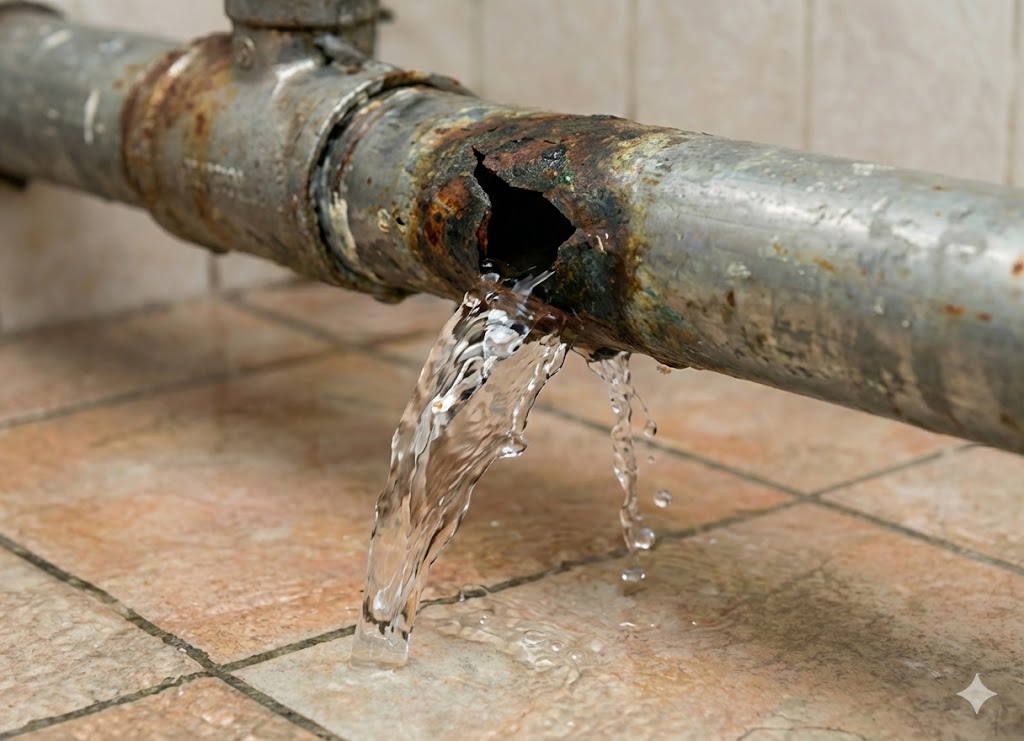
Direct answer: to keep the residual chlorine and calcium-magnesium hardness in tap water from leaving a white alkaline crust on potting soil, many urban plant growers want to reuse the condensate drained from an air conditioner's indoor unit, or natural rainwater, for watering.AC condensate and rainwater are indeed soft water with low mineral content and low conductivity, and they are very well suited to staghorn ferns, carnivorous plants and tropical rainforest foliage plants. But if the AC drain hose is modified badly and ends up with an “uphill reverse slope”, within a few hours it will cause severe backflow and dripping at the indoor unit and ruin a wooden floor. The three on-site self-check steps are: first, confirm that the AC drain hose keeps a “continuous downward slope from high to low” all the way from the indoor unit to the balcony storage bucket; second, the outlet side of the storage bucket must be fitted with an overflow pipe leading straight to the floor drain, and the bucket must be covered to keep mosquitoes out; third, when only AC water is used over the long term, add a suitable amount of diluted all-purpose liquid fertilizer according to the plant's condition. (Sources verified 2026/11)
Can AC Condensate and Rainwater Be Used to Water Plants?
This article is compiled from publicly available online sources for general reference only; readers should independently verify and judge its accuracy, and it is not legal, tax, medical or engineering advice. Rules, fees and subsidies change; check the latest notice from the responsible authority before acting. For electrical, gas, structural or health risks, consult a qualified professional.
This is the English edition of a Chinese article, adapted with AI assistance and checked against the original. Where the two differ, the Chinese version and the official sources it cites prevail.
Why Residual Chlorine and Calcium-Magnesium Hard Water Leave a White Alkaline Crust on Potting Soil
In northern, central and southern Taiwan alike, a trace amount of sodium hypochlorite (residual chlorine) is added during tap water treatment to disinfect the pipe network, and the water also contains dissolved solids such as natural calcium, magnesium and bicarbonate. Although this meets the drinking water standard for people, if potted plants are watered directly with tap water for years, the tap water evaporates quickly at the soil surface and the calcium and magnesium mineral salts, which cannot evaporate, settle on the pot rim, the outer wall of terracotta pots and the topsoil as a white powdery hard crust (commonly called alkaline frosting).
This layer of salt crystals gradually raises the soil pH (towards weakly alkaline) and blocks the roots from absorbing trace elements such as iron, manganese and zinc, which causes yellowing and loss of green between the leaf veins. In addition, the free chlorine remaining in freshly drawn tap water may also suppress the activity of beneficial symbiotic bacteria in the soil. Collecting low-TDS AC water or natural rainwater is therefore a natural remedy for improving the acid-alkaline balance of the growing medium and preventing the white alkaline crust.
Five Water Sources Compared: pH, TDS Hardness and Suitable Plants
Different water sources have different properties, and you should choose according to the plant variety before watering. The table below is a rough comparison, not measured values; for actual water quality, rely on testing at your own home:
| Type of water source | pH (approximate) | Mineral (TDS) content (approximate) | Advantages and main mineral content | Suitable plants and plumbing and electrical usage notes |
|---|---|---|---|---|
| Ordinary tap water (supplied by the water utility) | Mostly neutral to weakly alkaline (varies by area) | Contains minerals such as calcium and magnesium (varies by area) | Ready to use from the tap and sterile, but contains trace residual chlorine | General herbaceous and woody plants and drought-tolerant snake plants; needs to stand to remove chlorine |
| Reverse osmosis (RO) pure water | Slightly acidic | Extremely low | No mineral salts at all, leaves no scale, extremely pure | Carnivorous plants and high-priced foliage plants; needs extra calcium-magnesium fertilizer |
| Condensate from the AC indoor unit | Mostly weakly acidic to neutral | Low | Pure condensate from the air, extremely soft, no water bill | Staghorn ferns, prayer plants and anthuriums; the water must be clean and brought back to room temperature |
| Natural rainwater collected outdoors | Slightly acidic (varies with air quality) | Low | Easy to obtain, but the cleanliness of the collection container needs attention | Best suited to all outdoor plants; the first rain is dirtier and discarding it is recommended |
| Water from a dehumidifier tank | Mostly weakly acidic to neutral | Low | Soft water, but mold grows easily if the tank and evaporator are dirty | Can be used for watering, but the tank must be washed regularly to prevent odor |
Liquid Fertilizer for the Calcium and Magnesium AC Condensate Lacks, and the Mold Risk of a Long-Unwashed AC
Although AC water is soft and leaves no scale, watering with AC water alone over the long term creates two hidden concerns. The first is “trace element deficiency”. The mineral content of AC water is very low, so the soil lacks the trace calcium and magnesium ions that tap water would have supplied; using it alone for a long time may cause vigorously growing plants to show deficiency symptoms, so add a suitable amount of diluted all-purpose liquid fertilizer according to the plant's condition (follow the dosage on the product label). The second is “hygiene of the AC unit itself”. If a split-type air conditioner has not been deep-cleaned for two or three years, a large amount of black, sticky algae biofilm and mold spores grows inside the drain pan, the condensate that comes out carries a sour, foul smell, and watering with it directly easily triggers soft rot in the potting soil. Only by regularly washing the aluminum fins and drain pan of the indoor unit can the water be safe and harmless.
Key Points for Extending the Clear AC Drain Hose to a Balcony Storage Bucket
Leading the AC drain pipe to a balcony storage bucket is a water-saving project for many green thumbs, but not understanding plumbing and electrical principles often makes the indoor unit leak heavily. The three iron rules of installation:
- A reverse slope or crossing a high threshold is absolutely prohibited: the dripping from an AC indoor unit is “gravity flow” with no pressure at all. The clear braided hose extending from the indoor unit's outlet must keep a continuous downward slope along its whole length. If the hose is raised partway to climb over the window frame in order to pass through the balcony's airtight window, the water forms a dead-water trap there; once an air lock forms, the condensate instantly overflows the indoor unit's drain pan, pours down the interior wall and soaks and ruins expensive woodwork.
- The outlet end of the hose must never be submerged below the water surface in the bucket: the outlet of the diversion hose must “hang in the air above the bucket's highest water level”, and pushing the hose straight down to the bottom of the bucket is strictly prohibited. Once the end of the hose is under water, surface tension and water pressure stop the air inside the hose from escaping and form an air-lock bubble, the condensate cannot flow out, and the indoor unit backs up.
Covering the Storage Bucket Against Mosquito Larvae and Routing an Overflow Pipe to the Floor Drain
If a recycling storage bucket is placed on the balcony without a lid, the standing water easily becomes a breeding source for disease-vector mosquitoes (such as 埃及斑蚊 and 白線斑蚊). Under Article 25, Paragraph 2 of the Communicable Disease Control Act (傳染病防治法), the owner, manager or user of a public or private place with a vector breeding source shall actively clear it in accordance with the notice or announcement of the local competent authority. The storage bucket must have a sealed lid, and the hole where the hose enters must be sealed tight with a foam rubber gasket ring. In addition, an air conditioner running for long hours in summer produces a considerable amount of condensate (varying with the model and humidity); to prevent the bucket from overflowing and flooding while the homeowner is out, a hole must be drilled near the rim at the top of the bucket and a 4-fen (4 分) PVC overflow pipe installed leading straight to the balcony floor drain, giving fully automatic overflow drainage.
For troubleshooting a dripping AC indoor unit, see the guide to AC dripping and vacuum-clearing the drain pipe; for tap water filtration and water quality standards, compare the home water quality testing and rooftop water tank cleaning rules; for a leak estimate, see the water leak loss calculator.
Frequently Asked Questions
The condensate that has just come out of the AC indoor unit is ice cold. Can I pour it straight into a flowerpot right away?
Absolutely not. Freshly drained AC condensate is on the cold side, while the soil in balcony pots in summer is on the warm side. If you pour icy water straight over the plant, the severe “thermal shock” makes the fine pores of the roots shrink and spasm instantly, cutting off water uptake and causing acute wilting and drooping. It is recommended to let collected AC water stand at room temperature until it warms up before watering.
When collecting outdoor rainwater in a rain barrel for watering plants, do I need to drain away the rain from the first ten minutes?
Draining it away is recommended (this is called “first-flush diversion”). When heavy rain first falls in an urban area, the rainwater washes down suspended particles in the air along with the dust and bird droppings built up on building exteriors and roofs, so this portion of rainwater is dirtier. How long to divert depends on local air quality and how clean the catchment surface is; in general you can first drain away the opening stretch of the rainfall and then start collecting the cleaner rainwater that follows.
The AC drain hose has grown algae, turned black and clogged. Can I clear it with a high-pressure air pump or a vacuum cleaner?
Yes. A plumber/electrician (水電師傅) often uses a wet-and-dry vacuum cleaner or a dedicated manual drain suction pump to “suck” outward from the end of the drain pipe on the balcony, drawing out the jelly-like slime inside the pipe; but blowing high-pressure gas in the reverse direction straight from the indoor unit is strictly prohibited, because the indoor unit's drain pan is a thin plastic snap-fit structure, and strong air pressure will directly burst the pan or shake the drain connector loose.
Sources
- Ministry of Health and Welfare, Centers for Disease Control: carrying out “Patrol, Empty, Clean, Scrub” (巡、倒、清、刷) (verified 2026/11): explains clearing away unused water-holding containers, scrubbing the containers that are kept to remove eggs, and scrubbing water storage containers in use at least once a week, which corresponds to this article's practice of covering the storage bucket, washing it regularly and draining the overflow.
- Laws and Regulations Database: Communicable Disease Control Act, Article 25 (verified 2026/11): Paragraph 2 provides that the owner, manager or user of a public or private place with a vector breeding source shall actively clear it in accordance with the notice or announcement of the local competent authority.