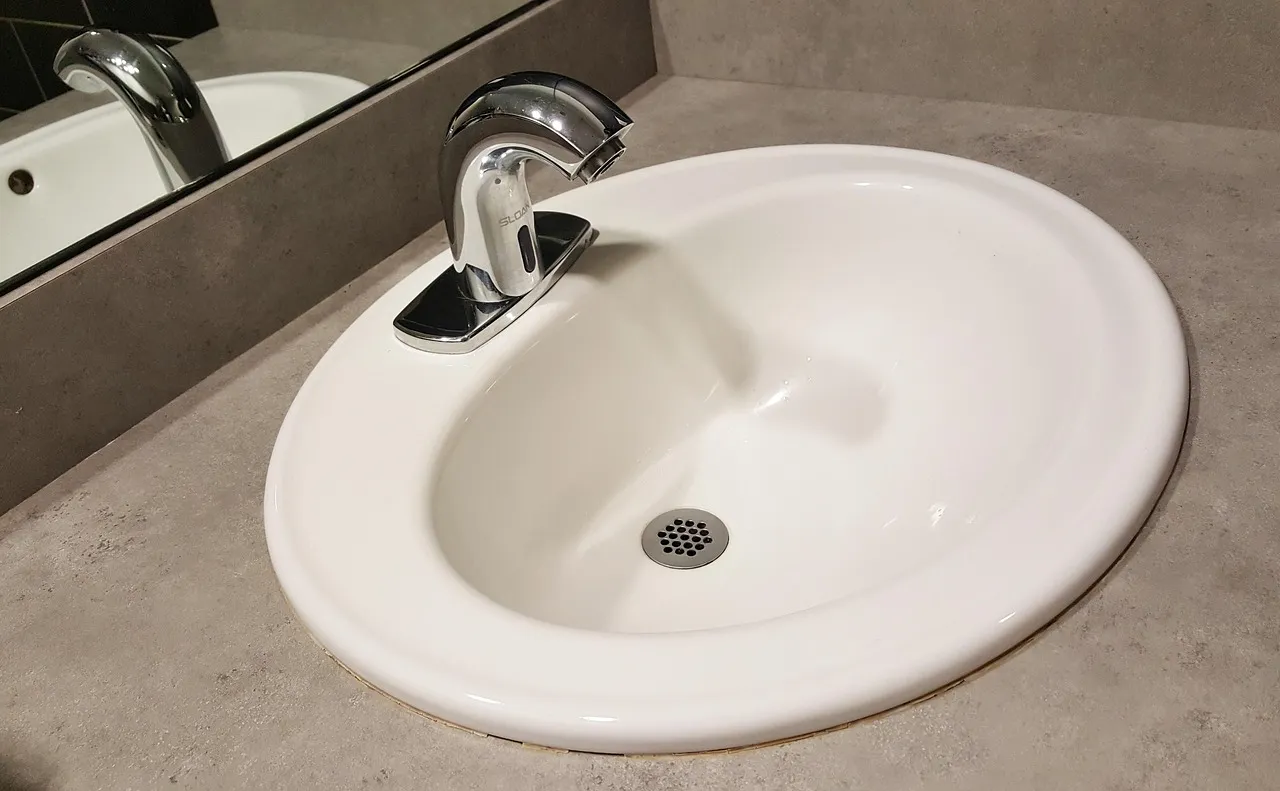
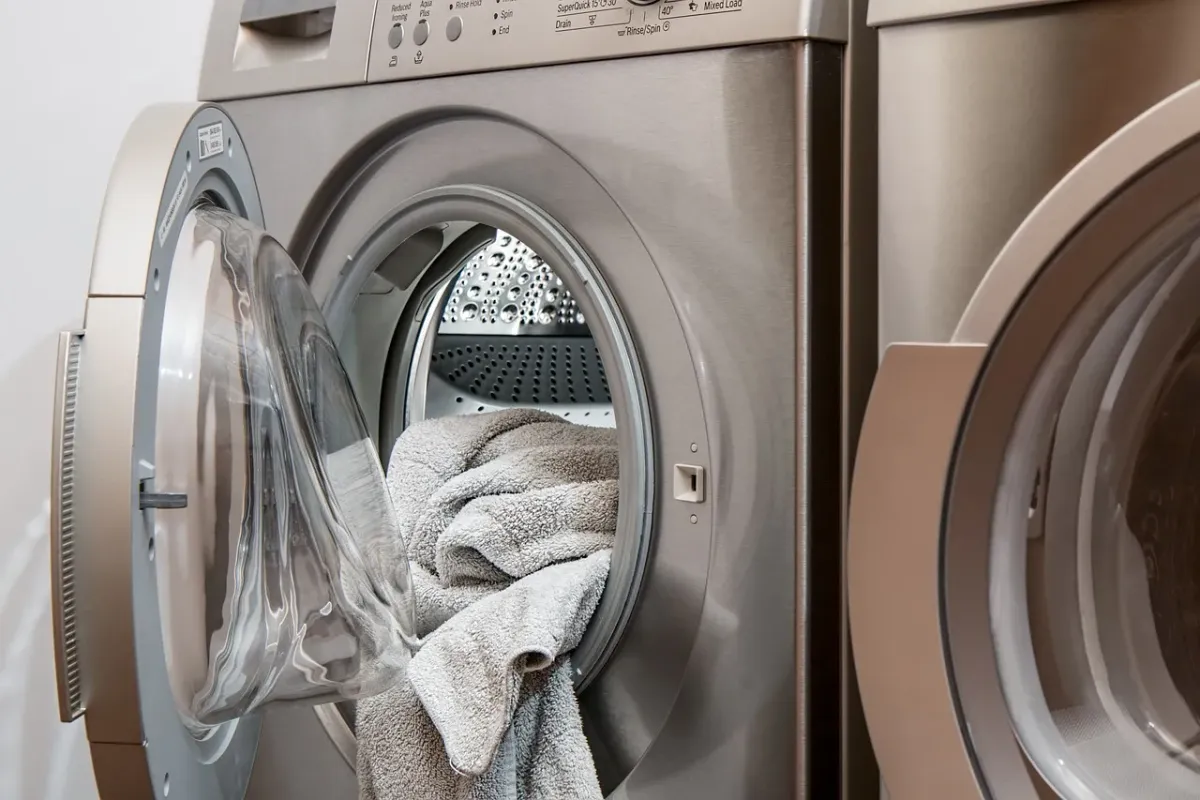
When washing machine drainage slows and water pools on the floor, cease running cycles immediately. Systematically inspect the machine lint filter, the visible flexible drain hose, and building drainage pipes. Isolated issues usually originate within appliance filters or flexible hoses; simultaneous backflow in bathroom floor drains indicates building pipe blockages.
Looking for the Chinese version of this article?切換至繁體中文版 →
Washing Machine Slow Drain and Floor Overflow Triage
This article is compiled from publicly available online sources for general reference only; readers should independently verify and judge its accuracy, and it is not legal, tax, medical or engineering advice. Rules, fees and subsidies change; check the latest notice from the responsible authority before acting. For electrical, gas, structural or health risks, consult a qualified professional.
This is the English edition of a Chinese article, adapted with AI assistance and checked against the original. Where the two differ, the Chinese version and the official sources it cites prevail.
For appliance malfunctions, see washing machine repair guide and washing machine troubleshooting; for drain cleaning, see drain clog DIY and kitchen drain unclogging. This guide focuses on differentiating appliance, hose, and building drain issues.
Safety Warning: Cease washing cycles and avoid touching equipment if: (1) foul sewage overflows from drains; (2) wall outlets, power plugs, or extension cords are wet; (3) pooled water approaches outlets or breaker panels. Only disconnect plugs if your hands and feet are dry, you are not standing in water, and plugs are dry. Otherwise, switch off the sub-breaker from a dry electrical panel. If unsure, call a licensed plumber/electrician (水電師傅). Taiwan Power Company (Taipower, 台灣電力公司 / 台電) guidelines state wet electrical cords must never be used until inspected by electricians. If encountering electric shock or fire, cut power safely and dial 119.
Observing Drainage Symptoms: Machine Fault vs. Shared Pipe Blockage
| Observed Symptom | Probable Fault Location | Next Recommended Action |
|---|---|---|
| Only washing machine drains slowly; sinks and bathroom drains flow normally | Appliance side (lint filter, drain pump) or dedicated flexible drain hose | Clean lint filter and inspect external hose per guide below. |
| Water seeps from machine base, filter cap, or internal hose joints | Appliance side: loose filter cap, unseated hose, or damaged internal pump | Cease use and request manufacturer appliance service. |
| Water backs up from wall drain opening or floor drain; appliance exterior dry | Hose-to-drain connection interface or building plumbing pipes | Cease use; test sink and bathroom drains for comparison. |
| Bathroom floor drains bubble, water rises, or sink drains slow down during discharge | Shared building branch pipes or common vertical wastewater stacks | Halt laundry; retain plumbers and notify management committee (管委會). |
| Foul sewage odor and wastewater backing up from floor drain openings | Sewer main line wastewater backflow | Follow safety warnings above; cease use and report emergency. |
Three-Stage Localization: From Closest to Furthest Component
| Triage Stage | Component Scope | Typical Diagnostic Symptoms | Responsible Party |
|---|---|---|---|
| 1. Appliance Side | Lint filter, drain pump, internal hoses | Improves after cleaning filter; recurring error codes | Owner cleans filter; contact manufacturer if unresolved. |
| 2. Drain Hose | Flexible hose between machine and wall drain | Hose kinked, pinched, outlet too high, or inserted too deep | Owner straightens hose or adjusts height per manual. |
| 3. Building Drain | Floor drain, P-trap / drain trap (存水彎), branch stacks | Floor drain bubbles; multiple home drains back up together | Hire professional drain cleaning; notify building committee. |
Official User Manual Guidelines
This article cites verified manufacturer manuals exclusively; consult individual brand manuals for other manufacturers.
- Tatung TAW-A070L (070): If the machine fails to drain, lower elevated hoses, straighten kinks, and clear obstructions. Manuals specify keeping hose elevation under 15 cm from the floor with extensions under 3 meters, and avoid curling hoses beneath the chassis (user manual).
- LG Taiwan (Front-Load): Drainage failure often stems from clogged lint filters. Open the lower filter cover, pull out the drain hose into a basin, drain residual water, unscrew the filter to clear debris, and reseat. Internal hose repairs require service technicians (filter cleaning page, drainage issues page).
- Samsung Taiwan (WW12BB744DGWTW, 12, 744): Power off, drain residual water, open filter cover, turn knob left to drain, clean with a soft brush, and ensure the pump propeller turns freely before reinstalling (official support page). Only pull power cords if floor and hands are completely dry.
Simple Homeowner Triage Flowchart for Safe Inspection
- Verify Safety First: If any emergency warning condition exists, cease work immediately.
- Pause the wash program and shut water faucets; manage power cords per electrical safety rules.
- Trace water trails along machine bases, filter covers, hose clamps, and wall drain openings, photographing sources.
- Inspect visible flexible hoses: ensure hoses are not kinked, crushed, set too high, or shoved too tightly into wall pipes.
- Clean front lint filters only if authorized by user manuals and power is disconnected; place towels and shallow catch basins beneath filters.
- Never power on wet plugs or cords; once dry, test with a brief spin-drain cycle while observing hose joints and floor drains.
- Cross-check other fixtures: pour a small basin of water down bathroom sinks and floor drains to observe drainage speed.
Interpreting Floor Drain Bubbles, Gurgling Sounds, and Odors
General plumbing principles indicate several potential causes for drainage noises:
- Floor Drains Bubbling and Gurgling During Discharge: High instantaneous flow compresses air inside pipes when downstream lines are partially blocked or hoses are sealed too tightly; see drainpipe gurgling noise and venting principles.
- Foul Odor Emission: Indicates dried water trap seals or interior pipe sludge; see bathroom floor drains and central P-traps.
- Backflow Occurring Only After Heavy Rain: Related to municipal stormwater backup; see drain backflow prevention and check valves.
Why Chemical Drain Cleaners Must Never Be Mixed
The Chemicals Administration, Ministry of Environment (環境部化學物質管理署, under the Ministry of Environment, 環境部) warns: chemical drain openers contain strong acids or alkalis that are highly corrosive. Never mix different cleaner brands, as violent chemical reactions can trigger thermal eruptions or explosions. Mixing chlorine bleach with hydrochloric acid produces toxic chlorine gas; never combine chlorine products with vinegar, ammonia, alcohol, or citric acid. Even baking soda and vinegar can erupt dangerously in sealed pipes. Always use one product in well-ventilated areas with gloves and goggles, and flush thoroughly with water per the Ministry of Environment Chemical Knowledge Map.
When prior chemical residues are unknown, do not pour additional agents; note chemical names and timestamps to inform technicians while maintaining ventilation.
When to Call Appliance Service vs. Plumbing Contractors
| Observed Condition | Recommended Service Provider | Probable Underlying Cause |
|---|---|---|
| No drainage after cleaning filter; recurring error codes; leaks beneath chassis | Manufacturer appliance service | Defective drain pump or loose internal components |
| Machine operates normally, but floor drain bubbles and multiple fixtures drain slowly | Licensed plumbing and drain clearing service | Building drainage stack blockage; inspect with drainpipe endoscope inspection |
| Multiple apartment units affected; common vertical stack backup suspected | Management committee or building manager and contractor | Common piping and wiring (管線) blockage; avoid DIY actions |
| Sewage backflow accompanied by fecal odor | Cease use immediately; notify management and call plumbers | Shared vertical sewer stack or municipal main backup |
Information to Prepare Before Requesting Technician Dispatch
- Photographs: Appliance model nameplate, drain hose routing and discharge end, floor drain and pooled water perimeter.
- Video: Brief video documenting the active drainage cycle, hose connections, floor drains, and operational sounds.
- Timing and History: Does slowness occur on every cycle or only after rain? Are sinks or neighbor drains affected? Have hoses been extended or chemicals added?
Tenants should notify their landlord (房東) in writing; for lease liability allocations, see rental property maintenance responsibilities.
Pricing Guidelines and Quotation Verification
Request written quotations specifying home inspection fees, replacement parts, cleaning methods (mechanical snaking vs. hydro-jetting), restoration guarantees, and warranties. Separate appliance repair fees from plumbing and electrical work (水電) costs, and organize requests with our repair quotation generator.
Frequently Asked Questions
Can I continue running cycles if the machine drains slowly?
If water pools on the floor or approaches outlets, cease operation immediately. Even without active flooding, continuous washing pumps additional water into compromised pipes.
Does drain hose height impact drainage performance?
Yes. The Tatung TAW-A070L manual states that excessive hose elevation causes non-drainage; manuals specify keeping hose elevation under 15 cm from the floor with extensions under 3 meters. Consult specific manuals and do not modify wall pipes.
Who is responsible for unclogging shared building drain pipes?
Under Article 10 of the Condominium Administration Act (公寓大廈管理條例), exclusive areas are maintained by individual unit owners, while common areas (共用部分) are repaired by the management committee funded by public reserves (common areas defined under Article 3; committee duties under Article 36). Review building bylaws, architectural plans, and pipe locations; see apartment leak liabilities and pipe shaft leak liabilities.
How often should washing machine lint filters be cleaned?
Samsung WW12BB744DGWTW manuals recommend cleaning filters every 2 months (12, 744); other models should follow manufacturer manuals.
Compiled by SOSfix editors from official public documentation for general reference; individual repairs require licensed professionals.
Last updated: 2026-10-26
Information Sources
- National Regulations Database: Condominium Administration Act Article 3: Definition of common areas.
- National Regulations Database: Condominium Administration Act Article 10: Maintenance liability and expense allocations.
- National Regulations Database: Condominium Administration Act Article 36: Management committee responsibilities.
- Chemicals Administration, Ministry of Environment: Chemical Safety Guidance: Drain opener chemical hazards.
- Taipower Keelung District Office: Electrical Safety Precautions: Prohibiting usage of wet outlets and cords.
- LG Taiwan: Front-Load Washing Machine Filter Cleaning Guide: Filter maintenance steps.
- LG Taiwan: Washing Machine Drainage Troubleshooting: Drain hose suggestions.
- Samsung Taiwan: WW12BB744DGWTW Lint Filter Cleaning Guide: Cleaning steps and frequency.
- Tatung TAW-A070L Washing Machine User Manual: Drain hose elevation limits.
Related reading: Washing Machine Tub Cleaning Frequency and Methods · Cleaning Washing Machine Lint Filters and Inlet Screens · Fix Washing Machine Inlet Hose Leak and Upgrade Faucets