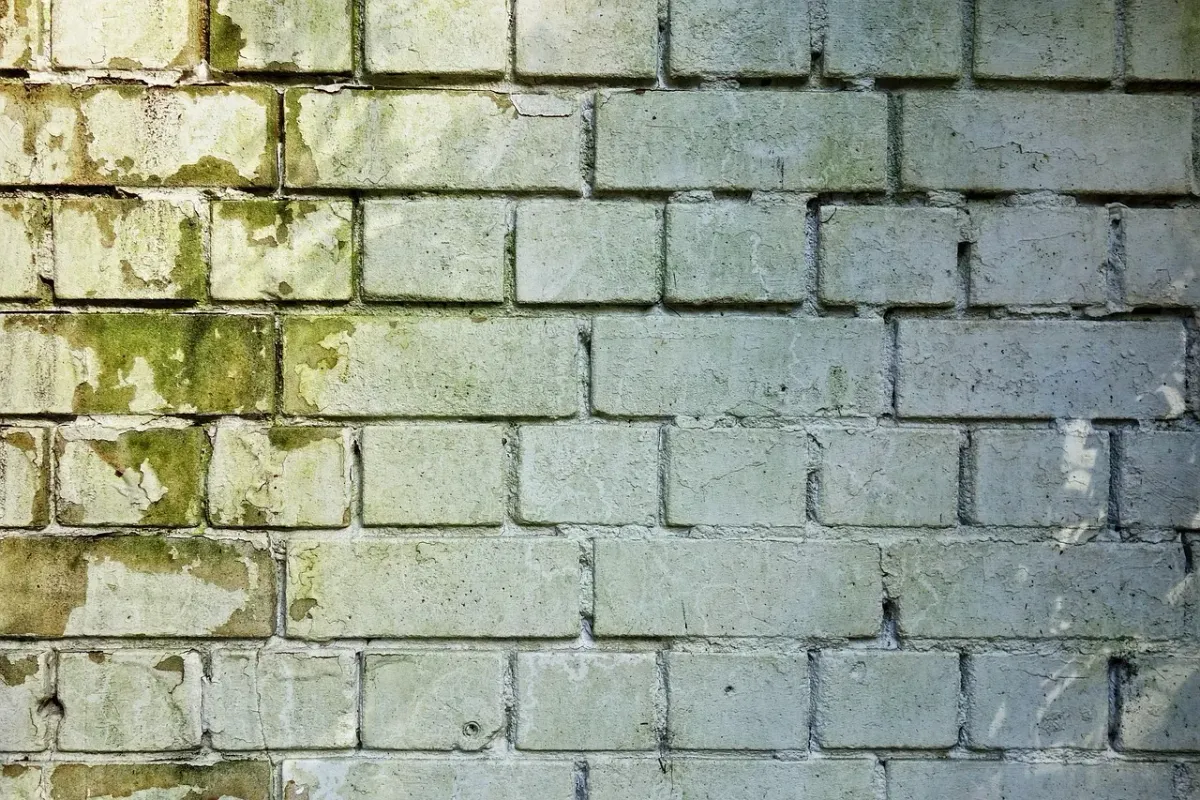
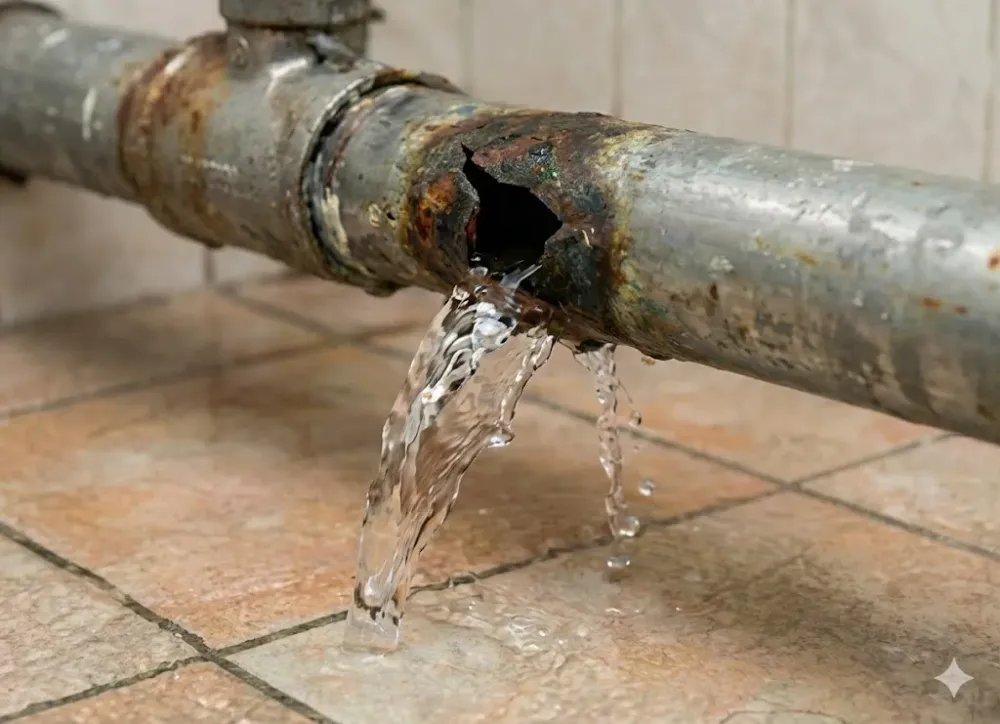
In Taipei and New Taipei, where many residential buildings exceed 30 years in building age, water leakage is the most frequent dispute among neighbors. Most conflicts arise not over technical repairs, but over determining ownership of the leak source and who must bear the repair costs. This article clarifies core liability principles, outlines modern non-destructive inspection methods, explains proper wall efflorescence and peeling (壁癌) restoration steps, and establishes a clear evidence preservation and claims process. Content serves as general reference; specific cases must follow statutory provisions, community bylaws, and formal engineering appraisal reports.
Looking for the Chinese version of this article?切換至繁體中文版 →
Apartment Water Leak Liability and Repairs in Taiwan
This article is compiled from publicly available online sources for general reference only; readers should independently verify and judge its accuracy, and it is not legal, tax, medical or engineering advice. Rules, fees and subsidies change; check the latest notice from the responsible authority before acting. For electrical, gas, structural or health risks, consult a qualified professional.
This is the English edition of a Chinese article, adapted with AI assistance and checked against the original. Where the two differ, the Chinese version and the official sources it cites prevail.
1. Fundamental Principles of Liability Allocation
The Condominium Administration Act (公寓大廈管理條例) divides buildings into exclusively owned portions, common portions, and designated exclusive or common use areas. Basic liability classifications align as follows:
| Leak Source | General Classification | Cost Allocation Principles |
|---|---|---|
| Rooftop terraces, exterior perimeter walls, vertical public pipe shafts | Common portions | Covered by the management committee via the public maintenance fund or shared proportionally among co-owners according to their undivided shares. |
| Supply and drainage piping embedded within floor slabs between upper and lower units | Determined by community bylaws and actual exclusive usage | Usually split jointly between the upper and lower floor occupants, or borne entirely by the unit exclusively served by the pipeline. |
| Exposed indoor piping, bathroom waterproofing membranes, proprietary fixtures | Exclusively owned portions | Borne entirely by that unit owner. The owner remains legally liable to restore and compensate for damage caused to neighboring units. |
The statute also establishes that occupants cannot refuse entry when inspection or maintenance of common portions or proprietary piping requires entering their unit. This rule is crucial in practice because leak sources frequently require access from the upper neighbor bathroom or kitchen. If neighbors refuse entry, request formal mediation through the management committee before initiating mediation committees or civil litigation.
2. Modern Leak Detection: Diagnosis Before Demolition
Historical leak detection relied heavily on destructive chiseling and blind water testing, causing unnecessary damage without pinpointing sources. Modern detection prioritizes non-destructive testing:
- Infrared Thermal Imaging: Maps moisture pathways across walls or ceilings by capturing temperature differentials between wet and dry areas, quickly narrowing the problem scope.
- High-Frequency Moisture Meters: Measures internal moisture content within concrete slabs and tile layers, distinguishing active seepage from residual historic stains.
- Pipe Pressure Testing: Seals all fixture outlets and pressurizes cold and hot water lines to observe pressure drop, confirming whether supply pipes suffer concealed leaks rather than drainage defects.
- Drainage Dye Testing and Video Endoscopy: Injects colored dyes into upper floor drains or feeds illuminated snake cameras into pipes to distinguish cracked drainage pipes from waterproofing failures.
Professional inspection reports must record detection methodologies, precise coordinates, quantitative measurements, and technical conclusions, serving as foundational evidence for liability claims.
3. Remedying Wall Efflorescence: The Proper Restoration Sequence
Many homeowners simply paint over bubbling plaster with waterproof elastomeric coatings, only for coatings to peel away months later. Trapped moisture expands with heat and forces surface coatings off. The correct sequence requires:
- Eliminate the Moisture Source: Identify and repair the active pipe or membrane leak first; all surface treatments remain futile without source remediation.
- Allow Substrate Drying: Use high-frequency moisture meters to confirm wall moisture levels drop below 8% before starting masonry repair.
- Chisel Away Degraded Plaster: Scrape degraded efflorescence down to sound, solid concrete or brick, treating alkali salts with primer where necessary.
- Apply Waterproofing Compounds: Apply deep-penetrating crystalline waterproofing slurry or negative-side cementitious coatings rather than superficial decorative paint.
- Skim Coating and Finishing Paint: Complete final aesthetic plaster skimming and topcoat application only after primers fully cure.
4. Evidence Collection and Legal Claims Process
- Preserve Immediate Evidence: Record high-resolution photographs and videos showing leak locations, water spread, and drip frequency, placing a measuring ruler beside wet spots with visible date timestamps.
- Issue Written Notification: Notify the management committee and formally inform affected neighbors through messaging apps, text messages, or registered legal certification letters (存證信函).
- Coordinate Joint Site Inspections: Arrange an on-site joint assessment facilitated by the building management committee with an agreed third-party leak detection firm.
- Negotiate Cost Allocation: Reconcile detection findings against statutory liability principles. If consensus fails, file an application with the local district mediation committee; ratified mediation settlements possess civil court judgment enforceability.
- Litigation and Court Appraisals: Upon entering formal court proceedings, judges appoint specialized engineering associations (such as civil or structural engineering institutes) for definitive appraisal, with advance costs paid by the petitioner and apportioned by final verdict.
5. Essential Terms for Repair Contracts
- Warranty Duration: Localized spot repairs typically provide 1 year, while comprehensive bathroom or roof waterproofing renewals provide 2 to 5 years of coverage.
- Acceptance Criteria: Specify clear milestones, such as ponding water in shower basins for 48 hours without leakage, or continuous rooftop sprinkler tests leaving downstairs ceilings bone dry.
- Material Specifications and Layering: Detail precise brand names and coating layer counts rather than vague generalities like "waterproof treatment."
- Photographic Documentation: Obligate contractors to provide clear progress photographs before, during, and after works to establish baseline documentation for warranty claims.
For additional contractor budgeting safeguards, consult the Renovation Contract and Budget Guide; general water line maintenance procedures are outlined in our Water Pipe Maintenance Guide.
6. Frequently Asked Questions
What if an upstairs neighbor refuses inspection access?
Issue written notification and request management committee intervention. Under the Condominium Administration Act, occupants cannot refuse necessary access for pipe repairs; persistent refusal warrants judicial orders or mediation.
Who pays if the roof leaks but the top-floor owner claims exclusive use rights?
Designated exclusive use grants rights of use only; rooftop slabs and waterproofing membranes remain common property funded by the public reserve fund unless bylaws dictate otherwise or damage resulted from improper owner use.
Who covers the initial appraisal fee?
The party asserting claims advances appraisal costs during initial negotiation, with final reimbursement negotiated or decreed proportionally by court verdicts.
References
- Laws and Regulations Database of Taiwan: Condominium Administration Act (全國法規資料庫, in Chinese).
- National Land Management Agency: Condominium management bylaws and regulatory guidelines (內政部國土管理署, in Chinese).
Related reading: Diagnosing Wet Bathroom Floors and Leak Sources in Taiwan · Zhongshan and Songshan Studio Renovation Guide · Townhouse Roof Leak: Find the Source, Patch or Redo · Wall and Floor Repair After Leak Fix: Drying, Tile, Paint · Do Balcony Plants Cause Leaks Below? Liability in Taiwan