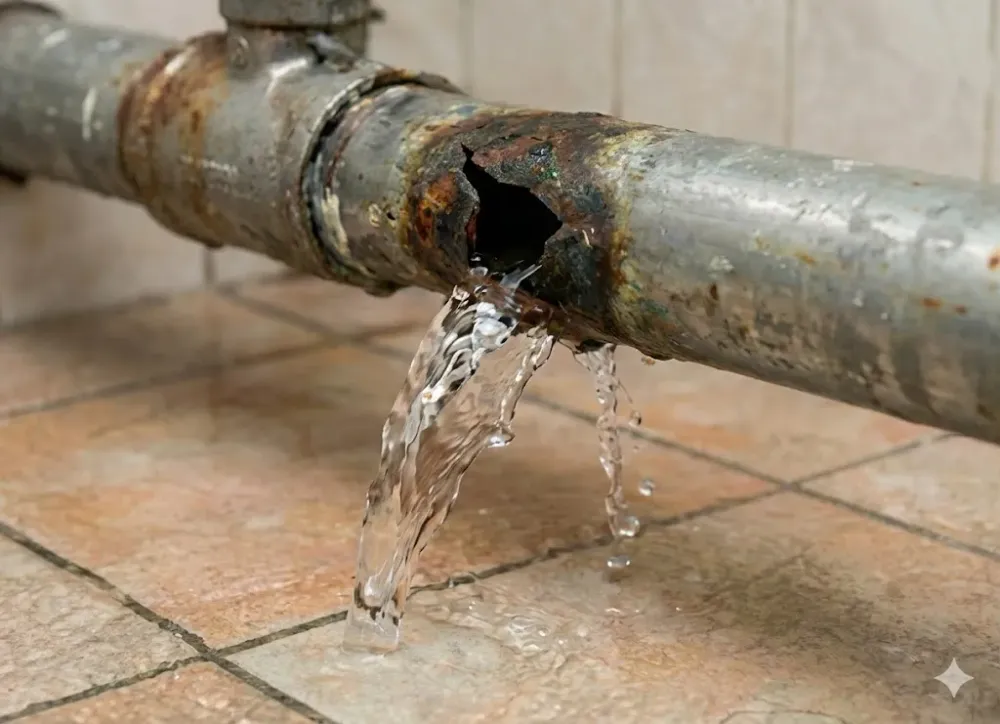
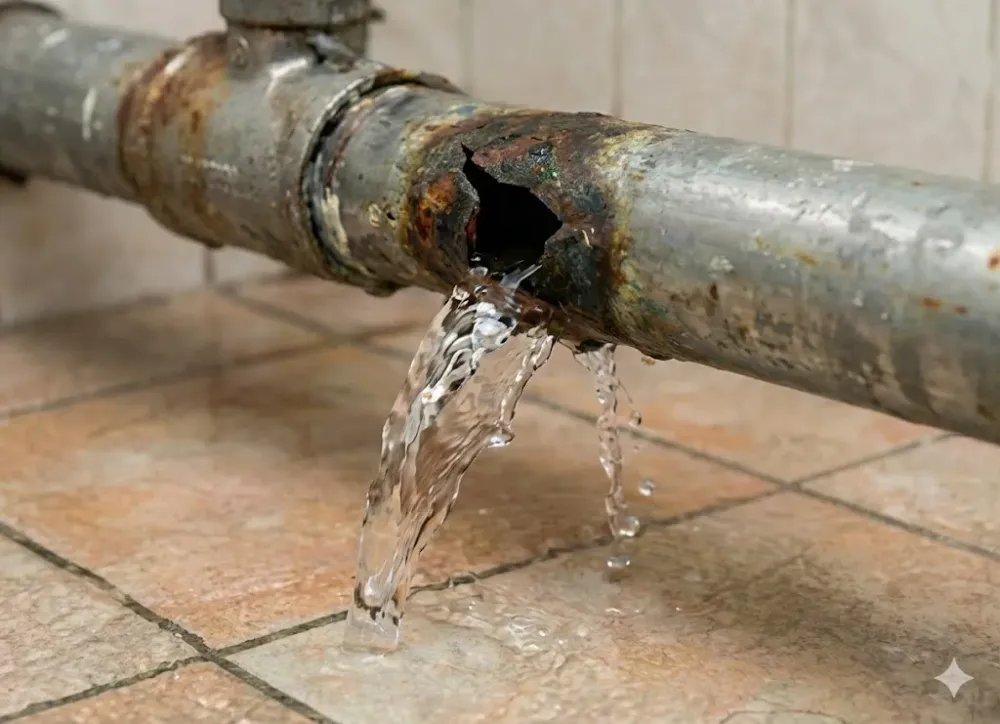
A bathroom floor that stays perpetually wet is not necessarily caused by failed waterproofing membranes; standing water, slow drain runoff, loose plumbing joints, pressurized supply lines, or toilet base seal failures can also be responsible. First document when the moisture occurs, its precise location, and which fixture was in use; a single symptom cannot conclusively diagnose the leak source, which requires licensed diagnostic verification.
Looking for the Chinese version of this article?切換至繁體中文版 →
Diagnosing Wet Bathroom Floors and Leak Sources in Taiwan
This article is compiled from publicly available online sources for general reference only; readers should independently verify and judge its accuracy, and it is not legal, tax, medical or engineering advice. Rules, fees and subsidies change; check the latest notice from the responsible authority before acting. For electrical, gas, structural or health risks, consult a qualified professional.
This is the English edition of a Chinese article, adapted with AI assistance and checked against the original. Where the two differ, the Chinese version and the official sources it cites prevail.
This article serves as a diagnostic triage guide without prescribing single repair methods: for waterproofing misconceptions, see Five Common Waterproofing Myths; for construction essentials, consult Bathroom and Kitchen Waterproofing Keys; for budgeting and flood tests, review Waterproofing Costs and Flood Tests; for curbs and non-demolition methods, see Shower Curbs and Non-Destructive Sealing and Dry-Wet Separation Curbs and Slope Standards; and for diagnostic pipe endoscopy, read Drain Endoscopy and Pressure Testing.
Scope and Safety Warnings
Safety Warning: If moisture reaches electrical receptacles, switches, bathroom heaters, or panel boxes, or if you smell burning odors, do not touch wet areas; only switch off the circuit breaker if you are standing on dry flooring with dry hands without stepping into puddles; otherwise stay clear, contact an electrician, and dial 119 if signs of fire appear. Do not chisel tiles, breach walls, remove toilets, or alter water supply piping independently, as this may exacerbate structural damage. If water surges in a pressurized column or the meter spins uncontrollably, shut the main water valve immediately, as detailed in Emergency Midnight Leak Response. This guide does not guarantee the efficacy of any specific engineering method.
Three Diagnostic Variables: Timing, Location, and Fixtures Used
A single symptom is insufficient to determine the cause of water leakage. The table below cross-references common symptoms against potential sources and recommended next steps. Start cross-checking from the symptom conditions column.
| Symptom Occurrence Condition | Potential Source (Non-Definitive) | Recommended Next Step |
|---|---|---|
| Wet solely after showering, dries gradually after shutoff, downstairs reports no leaks | Unwiped splash water, poor drainage gradient, sluggish floor drain, or water carried into dry zones | Track drying duration and ponding spots; check floor drain performance via Dry-Wet Separation Curbs and Drainage Slope and Bathroom Floor Drains and P-Traps |
| Wet after showering; water stains appear on downstairs ceiling hours later | Deteriorated waterproofing membrane, drainage pipe joint failure, drain bowl perimeter leak, or curb leaks | Photograph evidence, notify downstairs neighbors and the management committee, and schedule professional diagnostics; avoid ponding water DIY |
| Wet even when no one uses water; damp 24 hours continuously | Pressurized supply pipe leak, angle valve seepage, or condensation from inadequate ventilation | Perform a Water Meter Pilot Dial Test; if the meter turns under zero demand, hire a licensed plumber |
| Wet strictly after flushing toilet or around the toilet base footprint | Degraded wax ring / flange seal, supply hose connection, or faulty shutoff angle stop valve | Wipe dry and observe a single test flush, following Toilet Tank Continuous Running Troubleshooting |
| Wet only when washbasin drains or washing machine discharges | Vanity sink slip-joint leaks or washing machine standpipe drain overflow | Operate that specific fixture once while observing connections, as described in Washing Machine Slow Drains and Floor Overflow |
| Bubbling paint or wall efflorescence on walls outside the bathroom | May originate from bathroom waterproofing or external rainwater conduits (Taipei Water Department note) | Do not judge strictly by stain position; review Wall Efflorescence and PU Injection Myths |
| Wet only following rainstorms; dry during heavy household water use | Exterior building facade cracks, window perimeter caulking, or shared utility pipe shaft leaks | Document rainfall timing and report to the building management committee for common property inspection |
Five General Categories of Moisture Sources
- Surface Splashing and Drainage Sluggishness: The most commonly misjudged category. A home inspection article reprinted by the New Taipei Land Administration notes developers often omit waterproofing beneath dry zones in divided bathrooms; dampness in dry zones does not prove membrane failure.
- Drainage Slip-Joints and Floor Drain Collars: Leaks occur strictly while water discharges; downstairs ceilings drip even though your floor appears dry.
- Pressurized Supply Piping: Supply lines carry continuous water pressure, potentially leaking 24 hours daily even without active fixture use. Taipei Water Department advises shutting all faucets and watching the water meter; if the meter turns without use, pressurized plumbing leaks, though this test cannot detect drainage leaks occurring only during water discharge.
- Toilet Perimeter and Seals: Water emerging after flushing versus constant water tank refills represent two entirely distinct leak pathways.
- Doorway Curbs and Waterproofing Membranes: Concealed beneath tile beds, membrane failures should only be concluded after ruling out the first four categories and completing instrument or flood testing; Hong Kong Buildings Department lists it as one possible factor among several. Methods are discussed in Water Barrier Curbs and Non-Destructive Sealing.
Low-Risk Observational Documentation Steps
| Date and Time | Water User and Fixture Operated | Moisture Location | Observed Transition | Photo / Downstairs Feedback |
|---|---|---|---|---|
| (Example format) Wed 21:30 | Showering approx 15 minutes | Left side of doorway | Dries in approx 1 hour | P01 / None reported |
- Wipe Surface and Photograph Starting Point: Place a measuring ruler beside wet spots for scale, ensuring photographs retain timestamps.
- Log One Entry Per Occurrence: Use the reference format above to log timestamps, active users, equipment in operation, and water spread.
- Isolate One Variable at a Time: Operate only the vanity basin on one day, and only flush the toilet on another; do not plug drains to flood floors DIY, which can worsen leaks.
- Perform Static Water Meter Test: Check whether water meters spin under zero demand to detect continuous supply leaks, as detailed in Water Meter Pilot Test.
- Request Downstairs Reporting: Ask downstairs occupants to note the exact time and location water marks emerge on their ceiling.
- Avoid Premature Sealant Application: Do not brush silicone or waterproof sealants over wet tiles before identifying root causes, which obscures essential diagnostic clues.
Why Wall Efflorescence Location Alone Cannot Determine Leak Origin
- Taipei Water Department: Wall efflorescence and peeling (壁癌) or moisture seepage can stem from rainwater ingress or adjoining pipe runs, requiring comprehensive on-site technical inspection.
- FLIR: Infrared cameras do not see moisture directly through walls; thermal patterns resembling moisture require physical confirmation via moisture meters.
- Fluke: Moisture beneath tiles frequently resides deep within structural bedding screeds, where temperature differentials fail to reach surface glazes and surface reflections distort patterns.
- Protimeter: Historical salt deposits within older masonry elevate electrical resistance meter readings; testing requires measuring salt concentration or cross-verifying with specialized tools.
Professional Diagnostic Methodologies and Limitations
| Inspection Technology | Primary Diagnostic Application | Operational Limitations and Caveats |
|---|---|---|
| Infrared Thermal Imaging | Maps evaporative temperature differences across expansive surfaces | Thermal anomalies must be validated with moisture meters; air currents or reflective tiles generate false readings |
| Pinless High-Frequency Moisture Meters | Scans deep concrete moisture content without puncturing tile glazes | Measures composite average dielectric values without identifying precise defect depths; metal pipes distort readings |
| Hydrostatic Pipe Pressure Testing | Pressurizes cold and hot supply lines to confirm pressure holding | Isolates pressurized supply plumbing only; cannot detect drainage pipe defects or waterproofing membrane failures |
| Drainage Dye Fluorescent Testing | Dyes effluent water to verify whether specific drains leak downstairs | Hong Kong Buildings Department guidelines note intermittent seepage can take days to reveal color traces downstairs |
| Video Pipe Endoscopy | Feeds illuminated optic cameras inside drainage lines to inspect joints | Camera heads cannot navigate sharp 90-degree trap bends; grease and calcification obstruct optical lenses |
| Controlled Flooding Membrane Testing | Ponds water on floors to evaluate waterproofing integrity | Ponding without professional thresholds risks overflowing into hallways; see threshold curb construction |
For detailed procedures on deploying these instruments in residential property appraisals, consult Non-Destructive Leak Detection with Moisture Meters.
Liability Allocation for Downstairs Ceiling Water Seepage
Under Article 191 of the Civil Code, building possessors and owners remain liable for damages caused by structural defects (民法) unless due diligence was exercised; after paying compensation, owners may seek reimbursement from other responsible parties. Under Article 10 of the Condominium Administration Act, exclusively owned portions are maintained at the owner expense (公寓大廈管理條例), while common portions are funded by the public maintenance fund unless caused by an owner fault. Furthermore, Article 6 of the Condominium Administration Act mandates that occupants cannot refuse entry when inspection or maintenance of common portions or proprietary piping requires entering their unit. Individual circumstances depend on the specific leak origin; consult Upstairs Leak Legal Compensation and Apartment Leak Repair Guide.
When to Engage Licensed Professional Technicians
- Water meter spins while all household faucets are completely shut off: close main valve and call an electrician/plumber.
- Downstairs ceiling displays water stains, bubbling plaster, or active dripping: photograph evidence, notify management committee, and schedule inspection.
- Floor moisture persists repeatedly after ruling out surface splashing and drainage slowness, or tiles hollow and walls blister broadly.
- Moisture encroaches near electrical fixtures or burning odors emerge: maintain distance, call electricians, and dial 119 if fire threatens.
- Suspected leaks from common utility shafts, exterior walls, or rooftop decks: contact management committee; see Utility Duct Leak Liability.
Essential Itemized Categories for Repair Quotations
| Quotation Item | Detailed Scope Description | Quotation Trap to Avoid |
|---|---|---|
| Diagnostic Inspection | Testing methodologies, inspection frequency, presence of written diagnostic reports | Verbal assertions stating only that source was found |
| Demolition Scope | Demolition boundaries and whether waste haulage and disposal are included | Waste disposal billed as unquoted extra |
| Waterproofing Layer | Material specifications, coating area and vertical perimeter height, warranty coverage | Lump-sum entries stating only one lot |
| Flood Acceptance Testing | Testing methodology, flood test duration hours, joint upstairs/downstairs sign-off | Omission of formal sign-off records |
| Tile Re-Setting | Re-tiling scope, material procurement responsibility, matching original tile styles | Replacement dye-lot discrepancies or unquoted tile materials |
| Surface Restoration | Wall skimming, ceiling patching, and whether decorative painting is included | Restoration terminating at bare tile without paint |
For market comparison benchmarks and warranty standards, refer to Leak Detection Costs and Quotation Checklists; format bids uniformly using our Repair Quotation Generator.
Frequently Asked Questions
Is tile demolition always mandatory for leak repairs?
Not necessarily. Specialized instruments and targeted water testing isolate leak sources first; whether demolition is needed depends on confirmed fault points and selected repair techniques, which should be itemized in quotations, as noted in Threshold Curbs and Non-Demolition Sealing.
How long must a flood test last to yield credible diagnostic results?
Testing duration depends on certified inspection protocols and specific membrane manufacturer specifications; there is no single statutory test duration applicable to all residential bathrooms. Specify exact testing hours in contracts and photograph water levels at start and finish.
What should I do if the downstairs neighbor reports leaks but my bathroom floor is completely dry?
A dry upper floor does not prove absence of leakage: water frequently escapes from concealed wall piping or drain slip-joints, or originates from upper floors, adjacent units, common pipe chases, or air conditioning refrigerant line sweating (AC Refrigerant Line Condensation Leaks). Notify the management committee, log leak timing downstairs, and commission certified inspectors.
Does an idle water meter guarantee there are no water leaks?
No. Water meters detect pressurized supply leaks only; drainage joint leaks and waterproofing failures leak exclusively while fixtures discharge water, bypassing meter detection entirely. For comprehensive residential appraisals, utilize our Home Inspection Checklist.
Last updated: 2026-10-26
Compiled by the SOSfix editorial team based on public regulatory sources cited below, this material serves general informational reference; always consult qualified professional engineers for specific structural cases.
References
- Taipei Water Department FAQ: Water meter leak detection tests; potential origins of wall efflorescence and seepage (臺北自來水事業處, in Chinese).
- Buildings Department of Hong Kong: Water Seepage FAQ: Investigation methodologies and leak cause classifications (香港屋宇署).
- Hong Kong Government Press Release LCQ10 (October 30, 2013): Fluorescent color water tests and limitations in intermittent seepage detection (香港政府新聞公報).
- FLIR Thermal Imaging Guide: How to detect water leaks using thermal cameras and verifying anomalies with moisture meters.
- Fluke Technical Article: Detecting Problems In Buildings Using Thermal Imagers: Managing false positives, false negatives, and interpreting under-tile moisture.
- Protimeter: How to Measure Moisture in Buildings: Understanding salt contamination and elevated dielectric moisture readings.
- Delmhorst Pin and Pinless Moisture Meters: Pinless meters measure composite relative averages without depth discrimination.
- New Taipei City Land Administration Portal: Two Major Plumbing Priorities (Reprinted 2016, File 0720-5, 01): Dry zones typically omit supplementary waterproofing (新北市政府地政局, in Chinese).
- Civil Code Article 191, Condominium Administration Act Article 10, and Condominium Administration Act Article 6: Summary of legal repair responsibilities (全國法規資料庫, in Chinese).
Related reading: Tile Grout Mold Cleaning And Regrouting Guide · Heated Towel Rails and Bathroom Floor Heating in Taipei · AI Visual Recognition for Home Leak and Circuit Diagnosis · Microcement in Bathrooms: Waterproofing and Substrate Order · Still Leaking After Repair: 6 Misdiagnoses and Step Order