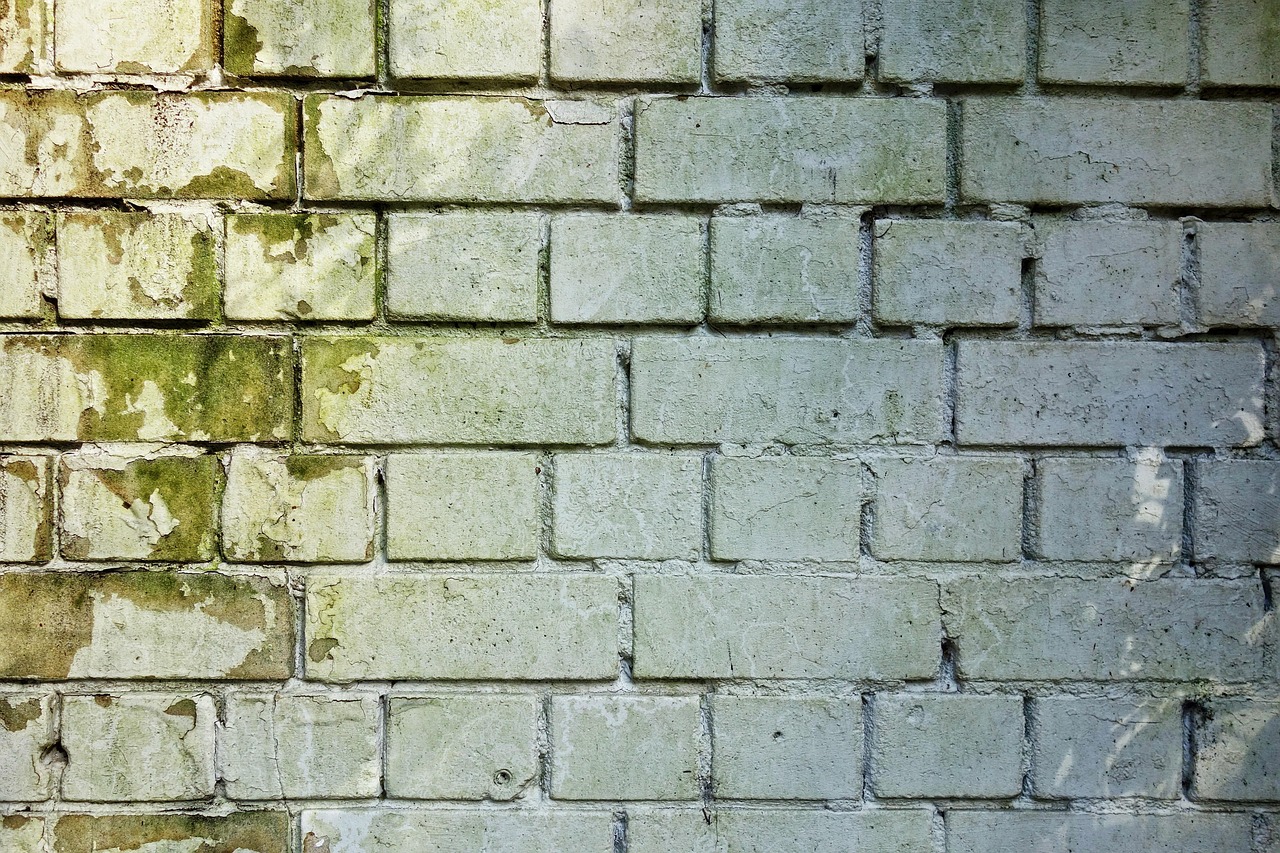
Direct answer: Moisture stains and actual leak origins rarely align at the same physical point. Using water meter readings and correlating timing with water usage to distinguish pressurized supply pipes, drainage, waterproofing membranes, or exterior rainwater avoids demolishing sound structures. Following a systematic process of elimination pinpoints the genuine source at minimal cost while clarifying repair liability.
Looking for the Chinese version of this article?切換至繁體中文版 →
Still Leaking After Repair: 6 Misdiagnoses and Step Order
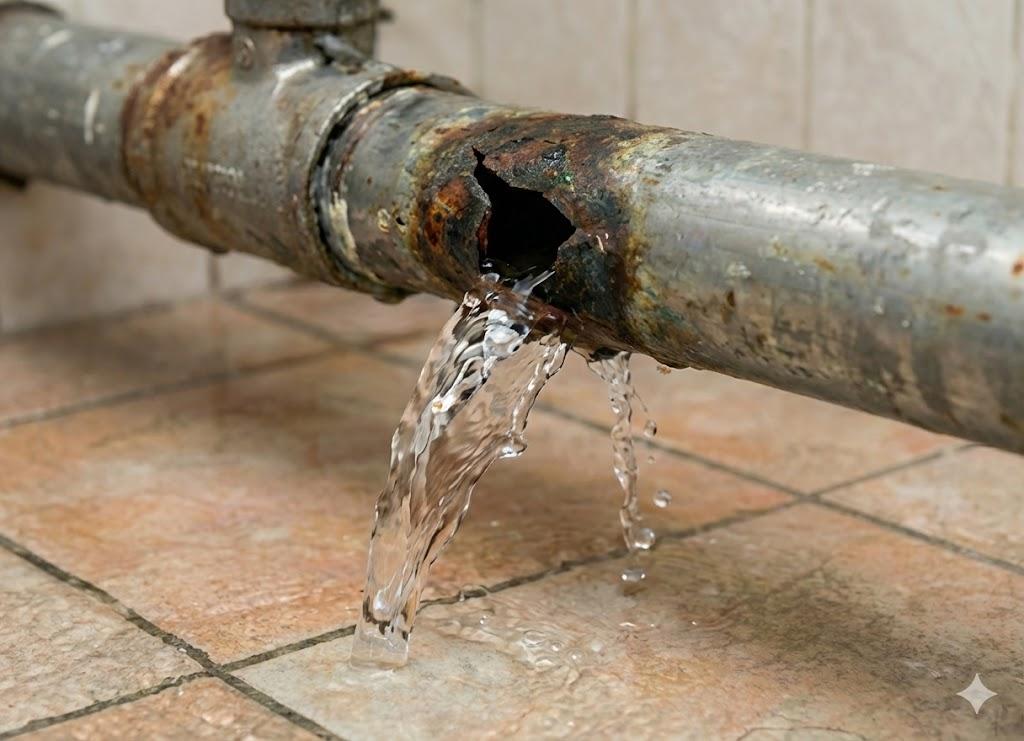
This article is compiled from publicly available online sources for general reference only; readers should independently verify and judge its accuracy, and it is not legal, tax, medical or engineering advice. Rules, fees and subsidies change; check the latest notice from the responsible authority before acting. For electrical, gas, structural or health risks, consult a qualified professional.
This is the English edition of a Chinese article, adapted with AI assistance and checked against the original. Where the two differ, the Chinese version and the official sources it cites prevail.
Why Visible Water Stains Differ from Actual Leak Origins
Modern building structures contain capillary micropores and construction cold joints. Water travels horizontally for several meters along structural fissures or exterior pipe walls before seeping through at the lowest elevation. Moisture centered on a ceiling may originate from a bathroom pressurized supply line 3 meters away; hacking directly into the stain damages intact floor slabs without finding the leak. For non-destructive tool capabilities, see Old House Non-Destructive Leak Detection and Moisture Meters.
Six Common Diagnostic Misjudgments
During leak troubleshooting, property owners often draw hasty conclusions from superficial symptoms, leading to 6 typical misjudgments:
Mistaking AC Condensate or Cold Water Pipe Sweating for Leaks
Cool, clear water dripping from ceilings in summer is frequently assumed to be a bathroom leak from above. In reality, when upstairs units run high-capacity air conditioning and pipe insulation is damaged, cold pipe surfaces touching humid room air trigger heavy condensation. Review causes in Taipei AC Refrigerant Pipe Insulation Sweating and Ceiling Leaks.
Mistaking Drainage Line Leaks for Waterproofing Membrane Failure
Mildew and moisture directly below a bathroom ceiling are often blamed on defective floor waterproofing, prompting costly tile removal. Yet if dripping occurs only during showers or toilet flushing, the true culprit is usually an unglued hanging drain joint rather than failed waterproofing. Spending thousands to re-tile while leaks persist remains a classic misdiagnosis.
Mistaking Exterior Wall Infiltration for Window Perimeter Silicone Failure
When interior window sills blister during typhoons, owners routinely assume perimeter silicone sealant has degraded. In truth, wind-driven rain commonly penetrates exterior cold joints or parapet cracks, migrating through internal masonry pores to emerge at window frames. For rainy season protection, consult New Taipei Rainy Season Wall Leak Detection Guide.
Mistaking Pressurized Supply Pipe Pinholes for Common Wall Cancer
Peeling wall paint and white crystalline efflorescence (壁癌) are often dismissed as simple humidity and painted over with sealant coatings. However, if a concealed supply pipe has a pinhole leak continuously weeping moisture, paint inevitably bubbles and flakes off again within weeks.
Sealing Only Visible Surface Cracks
Applying waterproof mastic solely over visible hairline concrete cracks fails because fissure networks extend deep into structural elements. Surface sealing merely redirects pressurized moisture toward adjacent micro-cracks without curing the underlying water pathway.
Assuming Upstairs Problems Belong to Your Own Unit
Noticing ceiling stains, owners often resign themselves to repainting their own ceilings at their own expense. Yet concealed branch drain pipes or slab piping belong legally to the upstairs unit. Property lines and statutory repair responsibilities must be clarified before absorbing unilateral repair costs.
| Common Surface Symptom | Assumed Cause | Actual Probable Cause | Recommended Diagnostic Method |
|---|---|---|---|
| Cool clear water dripping from ceiling | Upstairs bathroom floor leak | AC condensate or cold pipe sweating | Ask upstairs to turn off AC for 24 hours to observe if dripping stops |
| Ceiling dripping only at specific hours | Total waterproofing failure | Drain branch pipe joint separation | Conduct dry drain pipe test alongside zoned water discharge tests |
| Repeated blistering along window frames | Deteriorated window frame silicone | Exterior wall cold joint seepage | Perform staged water spray tests on dry sunny days across frames and walls |
| Continuous mineral efflorescence on corners | Indoor ambient moisture and mold | Concealed supply pipe pinhole leak | Shut off all household valves to inspect if red meter pointer spins |
| Seepage reappearing adjacent to sealed crack | Defective waterproof sealant | Unresolved deep structural pathway | Halt surface caulking and trace water back to positive-side sources |
| Ceiling pipe seepage repainted by owner | Internal decor defect | Upstairs drainage or floor slab pipe leak | Invite neighbors for joint inspection under Condominium Administration Act |
Systematic Diagnostic Order: Simple to Complex
Troubleshooting leaks requires disciplined methodology rather than premature demolition. Follow these 4 physical elimination steps:
Shut Off All Household Valves and Inspect Water Meter
The first step verifies pressurized supply lines. Turn off all faucets, toilet fill valves, and water purifiers, and ensure booster pumps are switched off. Inspect the water meter box for movement of the sensitive red pointer or micro-flow gear. If the gear turns slowly during a 30 to 60 minute stationary test, pressurized lines are leaking. Review overall workflows in Leak Detection Process and Repair Cost Evaluation.
Correlate Leakage with Rainfall and Water Usage Times
If the water meter remains motionless, pressurized supply lines are ruled out. Track stain progression over 7 to 14 days. Continuous daily leaking under dry sunny skies points toward domestic wastewater pipes. If water emerges only after downpours lasting over 2 hours and dries after weather clears, the problem stems from exterior walls, roofs, or window openings.
Zoned Valve Isolation and Static Water Tests
Differentiate domestic drainage from waterproofing membranes. First run a dry drainage test: insert a hose deep into the floor drain for 15 minutes without wetting surface tiles; downward dripping confirms a broken waste pipe. If dry, perform a static ponding test: seal the floor drain, fill water to a depth of 2 to 3 cm, and observe for 24 to 48 hours. Expanding stains confirm membrane failure.
Deploying Specialized Diagnostic Equipment: Uses and Limits
When physical isolation cannot locate concealed piping faults, specialized equipment provides diagnostic clues, though every tool has limitations:
- High-frequency moisture meters: Non-destructively measure internal moisture gradients to map wet zones, but cannot penetrate metal shielding.
- Infrared thermal imagers: Visualize latent water pathways via subtle surface temperature deltas, but remain susceptible to HVAC drafts, sunlight, and reflections.
- Pipe borescopes: Snake compact cameras inside drain branches to spot pipe cracks, though limited by sludge buildup or 90-degree elbows.
- Hydrostatic pressure testers: Pressurize sealed supply pipes to 5 to 8 kg/cm² to confirm pipe integrity, but cannot indicate the precise geographic rupture point.
Homeowner Leak Logging: Time, Weather, Usage, Photos
Systematic observation logs offer invaluable diagnostics for technicians. Property owners should maintain a structured record table:
| Date and Time | Weather Conditions | Water Usage Upstairs or at Home | Stain Changes and Drip Frequency | Corresponding Photo Filename |
|---|---|---|---|---|
| 2026-11-05 08:30 | Sunny and dry at 28 degrees outdoor | Upstairs at work with nobody home | Ceiling bone dry with stains shrinking | IMG_20261105_01.jpg |
| 2026-11-05 21:45 | Clear night with mild breeze | Upstairs shower running for 20 minutes | Stain perimeter moist, dripping 3 drops/min | IMG_20261105_02.jpg |
| 2026-11-08 14:00 | Heavy afternoon storm lasting 3 hours | All fixtures closed without showering | Window corner paint bubbling without drips | IMG_20261108_01.jpg |
| 2026-11-10 10:00 | Overcast and dry with zero rain | All valves closed for 1 hour meter check | Red meter pointer completely stationary | IMG_20261110_01.jpg |
What to Ask Before Hiring and Required Report Contents
Before commissioning diagnostic contractors, clarify whether non-destructive testing and pressure checks are included, how callout fees apply if no leak is found, whether reports specify cause and legal liability, and whether quotes separate labor from materials. Certified reports must include piping diagrams and moisture metrics. For cost estimations, consult the Water Leak Cost Calculator.
Neighbor Relations: Confirm Origins Before Discussing Liability
When ceiling leaks involve upstairs units, avoid confrontational accusations before verifying water pathways; invite building management committees for joint inspections. Under Article 10 and Article 12 of the Condominium Administration Act, private repairs belong to exclusive unit owners, common areas belong to shared reserve funds, and slab pipes are shared equally unless fault is proven against one party. For legal analysis, read Apartment Leak Liability and Repair Guide, or evaluate cases using the Leak Liability Checker.
Frequently Asked Questions
How do you find the exact source of a water leak?
Locating leak sources requires avoiding premature wall demolition. Start with simple water meter checks to verify pressurized lines, record shower usage versus rainfall to assess drainage and rainwater, and run static ponding tests to evaluate membranes, adding moisture meters when needed.
What does it mean if the water meter runs with all faucets shut?
If the red micro-flow pointer rotates while all faucets, valves, and appliances are shut, a concealed pressurized supply line between the meter and interior fixtures has ruptured. Branch pressure tests must be conducted immediately.
What is the difference between rain-related and constant leaks?
Constant steady leaking indicates a ruptured pressurized supply line. Leaks appearing only during water use indicate drainage or membrane defects. Leaks occurring solely during heavy rain and drying afterward represent exterior wall or window leaks.
Must walls always be broken to locate leaks?
No. Modern diagnostics prioritize non-destructive testing. After identifying the pipe category and segment, technicians perform localized opening in the smallest possible footprint rather than large-scale demolition.
Sources
- Taipei Water Department: User Water Leak Self-Inspection Manual (Verified 2026-11-11): Instructs users on shutting fixtures and reading red meter pointers for private supply lines (in Chinese).
- National Land Management Agency: Condominium Leak Dispute Resolution Manual (Verified 2026-11-11): Details criteria for assigning maintenance liability between exclusive and common property (in Chinese).
- National Laws and Regulations Database: Condominium Administration Act Articles 10 and 12 (Verified 2026-11-11): Governs maintenance cost allocation for exclusive property, common areas, and shared slab pipes (in Chinese).
- Taiwan Water Corporation: Internal Piping Leak Self-Inspection Guide (Verified 2026-11-11): Step-by-step procedures for detecting abnormal domestic water loss and checking pointer movement (in Chinese).