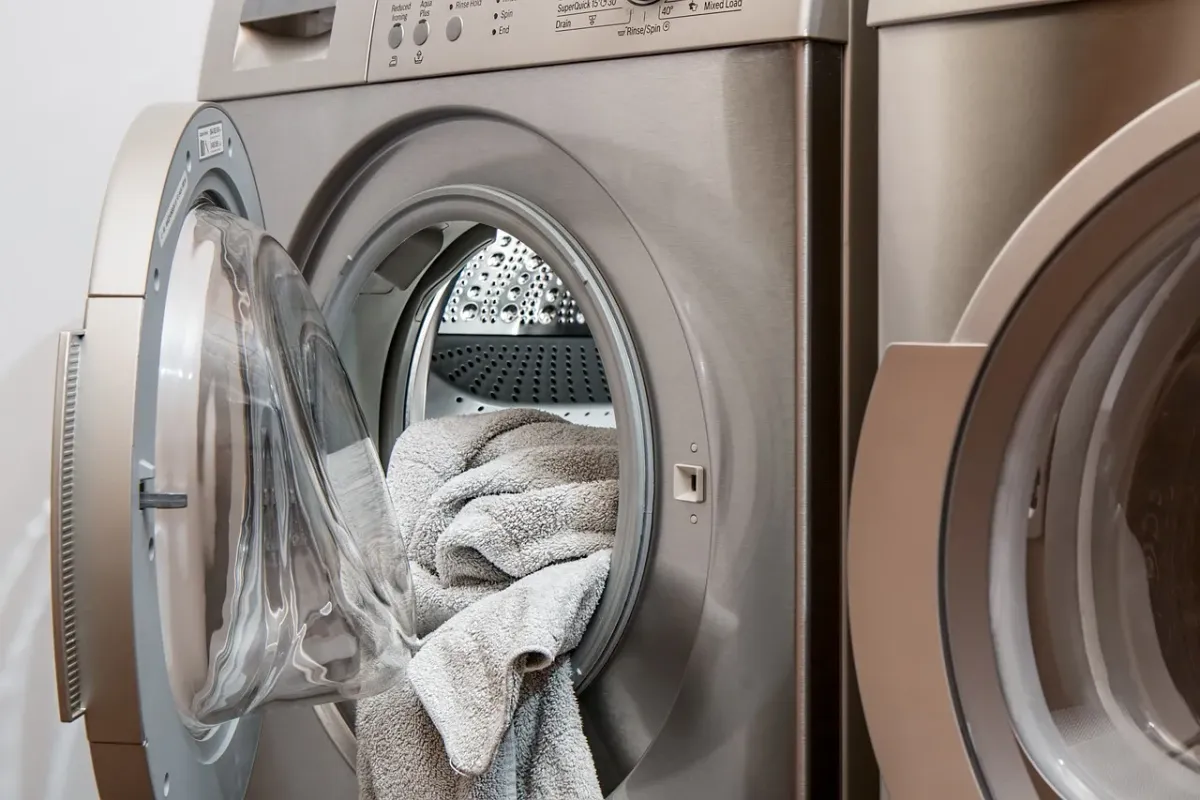
The lint (絲屑) filters inside top-loading washing machine tubs should be cleaned at a frequency ranging from "after every wash" to "at least every 2 to 3 washes" according to manuals. After removing lint and washing with a soft brush or clean water, they must be reinstalled before washing again. Clean the inlet screen only when water flow slows down, a water supply error occurs, or according to the manual's frequency (one brand suggests 1 to 2 times per year). Before cleaning, turn off the faucet and unplug the machine. Front-loading washing machines mostly do not have lint filters inside the tub; lint travels to the drain filter at the bottom. Structures vary by brand; refer to the manual for your specific model.
Looking for the Chinese version of this article?切換至繁體中文版 →
Cleaning Washing Machine Lint Filters and Inlet Screens
This article is compiled from publicly available online sources for general reference only; readers should independently verify and judge its accuracy, and it is not legal, tax, medical or engineering advice. Rules, fees and subsidies change; check the latest notice from the responsible authority before acting. For electrical, gas, structural or health risks, consult a qualified professional.
This is the English edition of a Chinese article, adapted with AI assistance and checked against the original. Where the two differ, the Chinese version and the official sources it cites prevail.
Safety Reminder: Turn off the power and unplug before cleaning filters. Always turn off the faucet before removing the inlet hose, as there is water pressure inside that will spray when loosened. Do not touch the plug with wet hands or when there is standing water on the floor. Only remove filters and detergent drawers that the manual specifies as removable; do not disassemble the casing or back panel. If the plug or power cord is damaged or has scorch marks, or if the earth-leakage circuit breaker (ELCB, 漏電斷路器) trips immediately, stop use and request repairs. For floor leaks or drainage issues, see Washing Machine Slow Drainage and Floor Water Triage.
Types of Filters in Your Washing Machine
| Filter | Location and Function | Common Models |
|---|---|---|
| Lint (絲屑, 線屑) Filter | Installed on the inner wall of the tub to catch fibers shed during washing. Some are mesh bags, others are detachable filter boxes. | Top-loading (mentioned in Panasonic, LG, and Tatung manuals) |
| Drain Filter (Pump Filter) | Located behind a small door at the front bottom of the machine to catch lint and coins, preventing blockages in the drain pump. | Front-loading. The Samsung WF17N7510KW manual states a pump filter blockage displays "5C"; the code table for "5C" notes the "lint filter may be blocked," indicating the "lint filter" in the fault table is the pump filter (this model has no separate tub lint filter). Panasonic NA-V178DW reminds that lint easily accumulates in the drain filter during drying. |
| Inlet (給水閥) Screen | A small mesh inside the inlet hose connection at the rear of the machine to catch sand and scale from tap water. | Both top-loading and front-loading |
The steps for cleaning front-load drain filters (collecting water, unscrewing, clearing debris, and tightening to prevent leaks) are detailed in Washing Machine Slow Drainage and Floor Water Triage and are not repeated here. For cleaning the washing tub itself, see How Often to Clean the Washing Machine Tub.
Cleaning Frequency: Brand Comparison
| Component | Manual Frequency | Reference |
|---|---|---|
| Top-load Lint Filter | Panasonic: After every wash. LG: At least every 2 to 3 washes. Tatung: After a period of use. | Panasonic NA-V178EB, LG WT-VD21HB, Tatung TAW-A070L |
| Inlet Screen | Samsung: 1 to 2 times per year. Panasonic (Top-load): When water pressure is low. Tatung: When blocked by scale after long use. LG: When water is hard or contains scale. | Samsung WF17N7510KW, Panasonic, Tatung, LG |
| Front-load Gasket | Panasonic: Wipe clean if lint, water, or debris is inside. Samsung: Regularly remove dust from the door. | Panasonic NA-V178DW, Samsung |
| Detergent Drawer | Panasonic: Wash when dirty; neglect causes mold and poor softener flow. Samsung: Clean if residue remains after a cycle. | Panasonic, Samsung |
How to Clean Top-load Lint Filters
Mesh Bag Type (Panasonic 絲屑過濾網, Tatung 濾網):
- Turn off the power, unplug, and ensure no water is in the tub before removal.
- Pull the filter upward to remove (Panasonic method; others follow manual diagrams).
- Turn the mesh bag inside out and discard lint. If lint sticks, wash in clean water (Tatung: open and wash lint in water).
- Restore to original state and reinstall.
Filter Box Type (Panasonic 絲屑過濾盒, LG 棉絮過濾器):
- Press the top hook or release latch and pull forward.
- Open the lid to remove lint; LG suggests a soft brush, while Panasonic suggests washing if lint persists.
- LG warns not to drop the filter, use nails on the mesh, or leave rust-prone items like paperclips or hairpins inside.
- LG installation: Insert the bottom into the tub first, then press the top until it clicks.
Do not wash without the filter reinstalled. Panasonic states the machine must not be used without the box or mesh to avoid damaging clothes; LG also warns against operating without the filter. If the filter is torn, Panasonic suggests purchasing a replacement from a service center.
How to Clean the Inlet Screen (When Water is Slow)
The biggest difference between brands is whether to remove the screen:
- Panasonic Top-load (NA-V178EB): Brush the water valve screen with a toothbrush after removing the hose; the manual does not recommend removal. Only remove if paste-like impurities cannot be brushed away, using flat-nose pliers to avoid piercing the mesh. It must be reinstalled to prevent damage to the valve. For the front-load NA-V178DW, the manual says to remove it for cleaning, showing methods vary by model.
- LG, Samsung, Tatung: Manuals state the screen can be removed for cleaning (LG and Samsung suggest using small pliers).
Common steps integrated from all brands:
- Turn off the faucet.
- Release hose pressure. Panasonic: Turn on power, press start, then turn off after the time displays. Tatung: Run for about 5 seconds to let water flow into the tub, then turn off. Samsung: Unplug, close faucet, loosen the hose, and use a cloth to block water.
- Unplug and unscrew the inlet hose from the rear. Prepare a towel or basin for residual water.
- Clean the screen. Panasonic: Toothbrush; LG: Medium brush after removal; Samsung: Soak in water after removal, dry in shade, then reinstall.
- Reinstall the screen and hose, then slowly open the faucet to check for leaks. Samsung reminds to open the faucet slowly after water outages or reconnecting.
Samsung WF17N7510KW displays information code "4C" when the inlet screen is blocked. Other models use different codes; check your manual's fault table.
Front-loading Machines: Gaskets and Drawers
- Door Gasket: Panasonic requires wiping lint, water, or debris from the inner edge with a wrung-out towel to prevent leaks and odors. Samsung warns not to pull the rubber seal out to avoid damage.
- Door Glass: Samsung suggests cleaning with a damp cloth; do not use detergents as they may cause discoloration.
- Detergent Drawer: Samsung: Press the release lever to remove the drawer, remove liquid containers, and brush under running water, including the drawer recess. Run a quick wash empty to clear residue. Panasonic: Remove the siphon cap for cleaning and press firmly to reinstall.
Allowed and Prohibited Cleaners
| Item | Manual Instructions | Reference |
|---|---|---|
| Water, Soft Brush, Toothbrush | Use clean water and soft brushes for filters and drawers. | Panasonic, LG, Samsung, Tatung |
| Neutral Kitchen Detergent | Can be used for wiping heavily soiled machine bodies or drawers. | Panasonic |
| Abrasives, Thinner, Benzine, Alcohol, Kerosene | Do not use. | Panasonic (Top-load and Front-load manuals) |
| Solvents | Prohibited to prevent damage to the washing machine. | Tatung |
| Direct Water Spray on Body | Do not do this. | Panasonic, Samsung, Tatung |
Symptoms: Lint on Clothes and Slow Water
| Symptom | Possible Cause | Action |
|---|---|---|
| Clothes covered in lint | Filter full or loose; mixing towels/bath towels with other items | Clean filter. Wash lint-prone towels separately (Panasonic, LG); turn lint-prone items inside out (Panasonic); increase rinse cycles (Panasonic). Use tape to remove lint (Panasonic). |
| Lint in every wash | Lint accumulation inside the tub (Panasonic Front-load) | Run a tub clean cycle, then clean the drain filter; for top-loaders, clean the lint box and mesh. |
| Slow/No water or supply error | Faucet not fully open, kinked/frozen hose, low pressure, blocked screen (Samsung, Tatung, Panasonic) | Check faucet and hose first, then clean the inlet screen. If house-wide pressure is low, it is not a machine issue. |
| Residue in detergent drawer | Low water pressure, drawer not inserted correctly, detergent not centered (Samsung) | Remove and clean the drawer, ensuring it is pushed in fully. |
| Leaks after cleaning filter | Loose hose connection or misaligned filter | Turn off faucet and retighten (recommended); if it still leaks, stop use and contact the manufacturer. |
For other issues (no spinning, noise, error codes), see the Washing Machine Troubleshooting Guide or What to Do When the Washing Machine Fails.
When to Stop Use and Request Repairs
- Leaks from the bottom or hose connections that persist after tightening: Turn off the faucet, unplug in a dry area, and stop use. Samsung states if the device is flooded, immediately cut the plumbing and electrical work (水源和電源) connections and contact service.
- The earth-leakage circuit breaker (ELCB, 漏電斷路器) trips, the plug is hot or smells burnt, or the power cord is damaged.
- The filter frame is cracked or the latch is broken: Buy a replacement from the manufacturer; do not wash without the filter.
- Error codes persist after cleaning the filters.
Panasonic manuals state not to disassemble, repair, or modify the machine yourself. When reporting a fault, provide the model, error code, and timing; use the Repair Quotation Generator to organize your request.
Common Questions
How often should I clean the lint filter?
It depends on the model. Panasonic NA-V178EB says after every wash; LG WT-VD21HB says at least every 2 to 3 washes. We recommend developing a habit of emptying it after every wash to avoid forgetting.
Where is the lint filter in a front-loading machine?
The two front-load manuals reviewed (Panasonic NA-V178DW, Samsung WF17N7510KW) do not have tub mesh bags; lint collects in the drain filter (pump filter) at the front bottom. See the linked article for cleaning steps.
Can I run the machine without the inlet screen?
No. Panasonic manuals state it must be reinstalled after cleaning, otherwise debris will enter and damage the water valve.
Can I soak the lint filter in bleach?
Manuals only suggest cleaning with water and a soft brush; they do not recommend soaking in bleach. For tub bleach usage, rules vary by brand; see the linked tub cleaning article.
Last updated: 2026-11-03
This article was compiled by SOSfix from manuals and public data for general reference; actual maintenance should follow your specific model's manual. Contact the manufacturer for repairs.
Sources
- Panasonic Taiwan: NA-V188EB/NA-V178EB 洗衣機使用說明書 (Verified 2026-11-03): Page 24 lint cleaning, no use without filter, no abrasives; Page 25 drawer, inlet screen steps (pliers, toothbrush); turn lint-prone items inside out.
- Panasonic Taiwan: NA-V178DW 等滾筒式洗衣機使用說明書 (Verified 2026-11-03): Page 27 gasket wiping, mold, solvents, lint in drain filter; lint handling (separate washing, extra rinsing, tub clean, tape); inlet screen cleaning.
- LG Taiwan: WT-VD21HB/WT-VD23HB 洗衣機使用者手冊 (MFL71981921, via Costco, Verified 2026-11-03): Lint filter every 2 to 3 washes, no operation without filter, no metal items; inlet screen for hard water, removal with pliers; separate lint-prone items.
- Samsung Taiwan: WF17N7510KW 洗衣機使用說明書 (via Costco, Verified 2026-11-03): Door glass cleaning, no seal removal, inlet screen 1 to 2 times a year, 4C code, drawer cleaning, slow faucet opening, cut plumbing and electrical work if flooded.
- Tatung: TAW-A070L 洗衣機使用說明書 (Verified 2026-11-03): Inlet screen steps (close faucet, run 5 seconds, unplug), lint filter cleaning in water, no solvents, no water spray.
Related reading: Fix Washing Machine Drain Pump Jammed by Coins or Lint