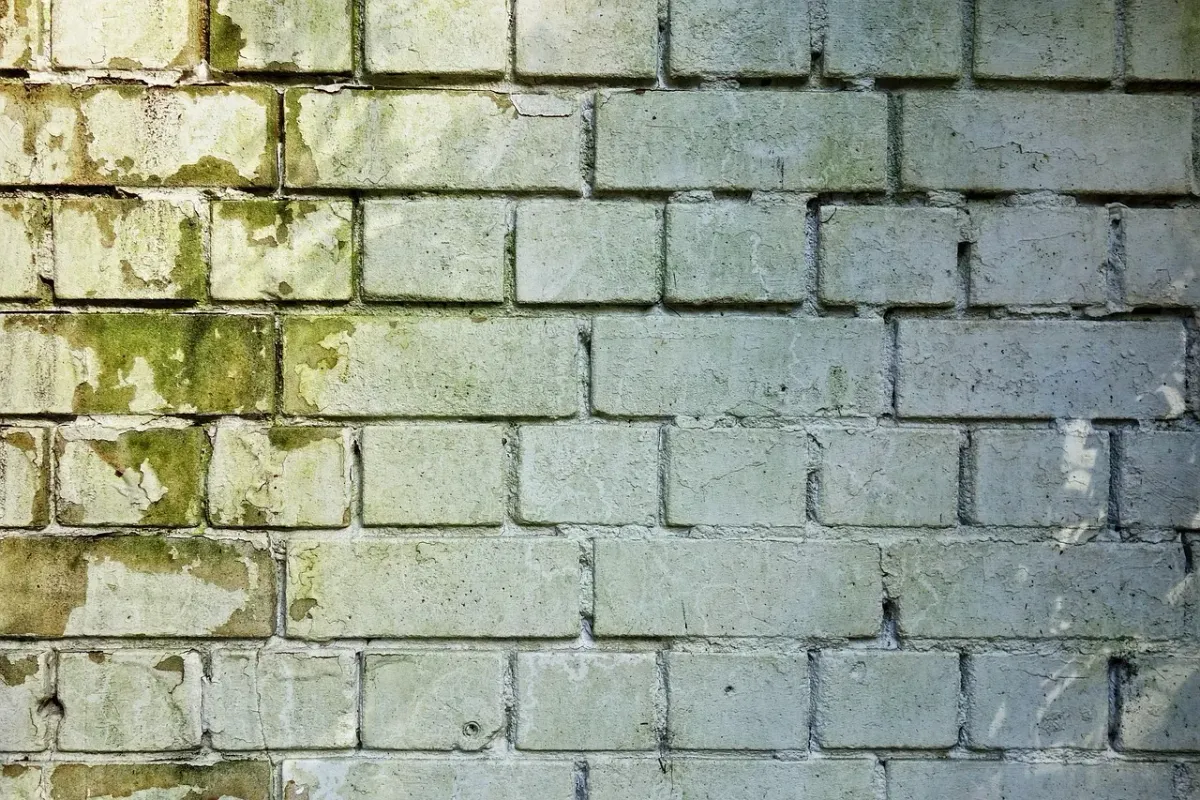
Exterior wall seepage should be handled first from the outdoor, rain-facing side: clean and fill the cracks, then apply a waterproof coating over the whole wall. Indoor injection only holds water inside the wall, so it suits cases where scaffolding is not possible or there is just a single crack. A detached or end-unit townhouse has a large exterior wall area, and the windward side takes wind and rain directly. When water marks appear on indoor walls after rain, there is usually more than one cause. This article covers only your own exterior walls. It explains where the water gets in, how working from outside differs from working from inside, how to choose a scaffolding method, and what to check in quotes and acceptance. For shared walls in terraced townhouses, see repair and cost for leaking party walls in terraced townhouses. Management responsibility for apartment building exteriors is outside the scope of this article.
Townhouse Wall Seepage: Injection, Coating, Scaffolding
This article is compiled from publicly available online sources for general reference only; readers should independently verify and judge its accuracy, and it is not legal, tax, medical or engineering advice. Rules, fees and subsidies change; check the latest notice from the responsible authority before acting. For electrical, gas, structural or health risks, consult a qualified professional.
This is the English edition of a Chinese article, adapted with AI assistance and checked against the original. Where the two differ, the Chinese version and the official sources it cites prevail.
How Water Gets In Through Exterior Walls
Exterior wall seepage is mostly rainwater entering the wall through gaps, holes or the pores of the material, then showing up at a lower or weaker spot indoors. The point where water comes out and the point where it gets in are often not the same, so work out the path first, then decide how to repair.
Structural Cracks and Cold Joints
Cracks caused by drying shrinkage, temperature changes or earthquakes are the most direct entry route for water. A cold joint is the seam left where concrete was poured in separate stages. If a crack is still moving, simply filling it is likely to crack again, so confirm before work whether the crack width keeps changing.
Around Window Frames and Air-Conditioner Holes
The caulking between the aluminum window frame and the wall, the slope under the window frame, and the finish around air-conditioner pipe holes through the wall are common weak points. For water coming out at window corners, see injecting cement mortar voids around aluminum window frames to stop leaks.
Deteriorated Tile Grout and Weathered Washed-Gravel Finish
On tiled exterior walls, water mostly enters where the grout has deteriorated or where hollow tiles have cracked. Washed-gravel walls absorb water because the surface layer weathers and fine cracks multiply. What the two have in common is that water first enters the surface layer, then spreads along the mortar underneath.
Where the Rooftop Parapet Meets the Exterior Wall
At the parapet wall cap and where it meets the roof waterproofing edge, rainwater easily runs down the inside of the wall. If the top-floor wall clearly seeps, check the roof together with it. See inspection steps for rooftop and exterior wall leaks after rain.
| Water entry path | Common signs | Initial way to judge |
|---|---|---|
| Structural cracks, cold joints | Linear water marks on the wall that follow the crack | Check whether the crack runs horizontally or diagonally, and compare the water mark positions after rain |
| Around window frames, air-conditioner holes | Damp marks at window corners, below the sill or along the lower edge of the hole | Check whether the caulking has come off, spray water on the local area and watch indoors |
| Tile grout, weathered washed-gravel finish | Even dampness over a large area that appears only in wind-driven rain | Check whether the grout is powdery and the tiles are hollow, and tap to hear the difference in sound |
| Parapet wall and exterior wall junction | Water marks on top-floor walls and ceiling corners | Check gaps in the wall cap and the roof edge finish, and spray water in sections to compare |
Working From Outside Versus From Inside
The difference between the two methods is whether the water is stopped outside the wall or left inside it. The exterior wall is the side that takes the rain, and when the waterproof layer is placed on this side, water does not enter the wall material.
Coating the Rain-Facing Side and Filling Cracks
The rain-facing side is the wall surface that rain hits directly, which on a townhouse is usually the windward side. The usual order of work from outside is: remove loose surface layers and powdery grout, widen and clean the cracks, treat them with suitable filler or elastic material, and finally coat the whole wall with waterproof coating, confirming the number of coats and the drying intervals against the product instructions. Whether the coating will bond to the existing surface depends on the base materials and primer listed in the manufacturer's technical data sheet.
How Indoor High-Pressure Injection Works and Its Limits
Indoor injection means drilling holes from the inside of the wall and pressing waterproofing material into the crack or void, so the material expands or cures and blocks the water path. It suits a single clear crack, or cases where work cannot be done on the outside. The limitation is that water is still inside the wall and is only blocked at the injection location. If other weak points in the wall are not treated, the water may change course.
Comparing When Each Method Applies
| Item | Outdoor coating and crack filling | Indoor high-pressure injection |
|---|---|---|
| Suitable situations | Multiple cracks, large-area water absorption, deteriorated tile grout | A single clear crack, or where the outside cannot take scaffolding or cannot be worked on |
| Limits | The whole exterior wall must be treated, and work is affected by weather | Water stays inside the wall and may move to come out elsewhere |
| Work at height needed | Usually needed above the second floor | Mostly done indoors, usually not needed |
White staining and powdering on walls need to be judged separately. See myths about injection for wall efflorescence and salt bloom.
Exterior Wall Work Methods: Scaffolding, Crane and Rope Access
Exterior wall work above the second floor is work at height. It should be done by a contractor that meets the legal conditions for work at height, and owners should not climb ladders, climb the wall or stand outside a window to do the work themselves. Safety rules exist for assembling, using and dismantling scaffolds and for fall protection, and the provisions are in the 營造安全衛生設施標準 (construction safety and health facilities standards) published by the 勞動部職業安全衛生署 (Occupational Safety and Health Administration, Ministry of Labor).
Suitable Heights and Site Conditions for Each Method
- Scaffolding: allows work across the whole wall with a stable working surface, and suits large-area jobs with several work stages; it needs enough room on the ground and firm footing.
- Crane or aerial work platform: suits local, short-duration work; the vehicle must be able to reach the wall, with enough working space in front.
- Rope access: suits small local repairs where scaffolding cannot be put up; whether it can be used depends on the contractor's assessment of the building conditions and the workers' qualifications.
Road Use and Neighboring Land to Sort Out First
Townhouses are often right next to an alley or a neighboring house. Before putting up scaffolding, confirm whether it will take up a sidewalk or road, which usually means checking with the local authority whether an application is required. If the scaffolding needs to use neighboring land, Article 792 of the 民法 (Civil Code) provides that when a landowner needs to use the land of the neighboring owner because the neighbor is building or repairing a building at or near the boundary, the owner shall allow the neighbor to use the land; anyone who suffers damage as a result may claim compensation. For how it applies in a specific case, check with the district court mediation counter or a legal consultation counter.
What to Check in a Quote, and Acceptance
A quote should let you see the scope of work, the work stages and the materials, not just a single total price. Ask the contractor to list the area, the name of each work stage, and the brand and model of the coating and the number of coats.
How Area Is Calculated and What Is Charged Separately
Exterior wall area is usually calculated as the actual developed area of the wall, and whether large openings are deducted or not should be written clearly in the quote. Scaffolding, crane, aerial work platform, crack filling, re-applying silicone sealant around window frames, and removing or chipping off the existing surface layer are often listed as separate items, so confirm item by item whether each is already included in the total. To estimate a budget for indoor and outdoor leak repair first, you can use the leak repair cost calculator.
How to Do the Water Spray Test
After work is finished, test only after the coating has fully dried according to the product instructions. Spray water on the wall in sections from bottom to top, keep each section wet for a length of time agreed by both sides beforehand, and have someone watch the original seepage location indoors at the same time to see whether damp marks appear. Do not spray the whole wall at once during the test, or you cannot tell which section has the problem. It is recommended to write the acceptance conditions, warranty scope and warranty period into the contract.
Frequently Asked Questions
Can exterior waterproof paint be applied directly over tile?
It cannot be said across the board. Tile surfaces are smooth, and adhesion varies by product, so check whether the manufacturer's technical data sheet lists tile as a base material and whether a special primer is required. Tile seepage mostly comes from grout and hollow tiles, and painting only the surface without treating those spots has limited effect.
Why does the leak move to another spot after indoor injection?
Injection only blocks the water path at the injection point. The water is still inside the wall, and once blocked it moves toward other cracks or weaker spots, so new damp marks may appear nearby. This is also why treating the whole exterior wall usually does more to improve the source of the water.
Does exterior waterproofing always need scaffolding?
Not necessarily. Repairs on the first floor or at low local spots can use other methods depending on conditions; whole-wall work above the second floor usually needs scaffolding or another legal method of work at height. Whichever method is used, the work should be done by a contractor that meets the legal conditions for work at height.
What if the neighbor does not agree to lend land for scaffolding?
First explain the scope and duration of the work in writing, then negotiate where to put the scaffolding. If negotiation fails, Article 792 of the 民法 (Civil Code) has relevant provisions; ask a mediation or legal consultation counter whether it applies and how to invoke it. You can also ask the contractor to assess alternatives such as a crane or rope access, to reduce dependence on the neighboring land.
Sources
- 全國法規資料庫 (Laws and Regulations Database): 民法 Article 792 (verified 2026-11-11): the rule on when a neighbor needs to use land to build or repair a building.
- 全國法規資料庫 (Laws and Regulations Database): 營造安全衛生設施標準 (verified 2026-11-11): rules on scaffold assembly and fall protection for work at height.
- 行政院公共工程委員會 (Public Construction Commission): construction specification Chapter 07 Waterproofing and Chapter 09 Painting (verified 2026-11-11): construction and material specifications for waterproofing and painting work, available on the commission's website.
Related reading: Townhouse Roof Leak: Find the Source, Patch or Redo