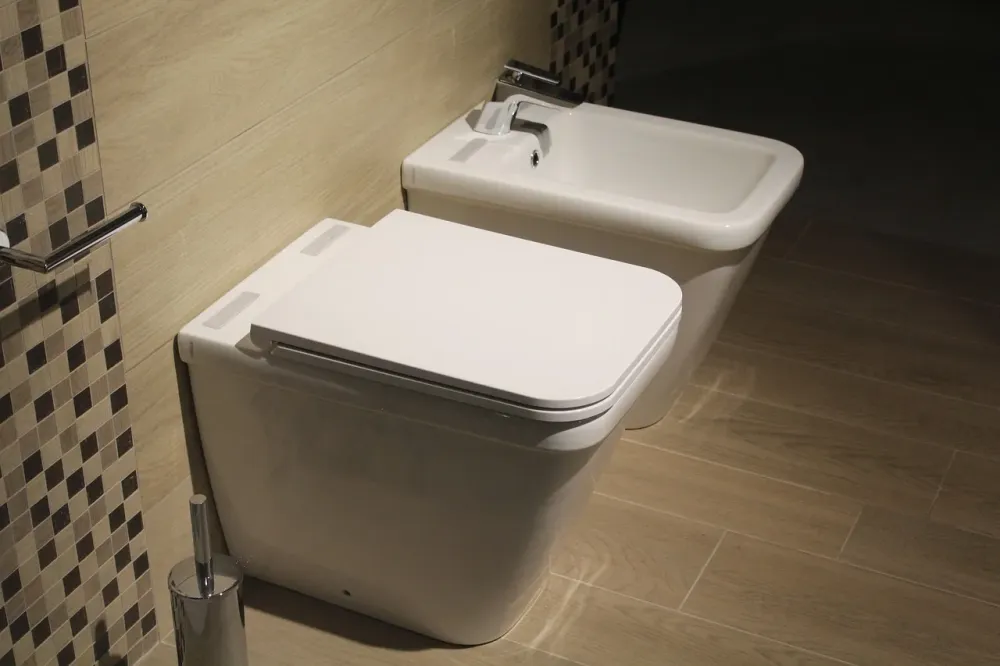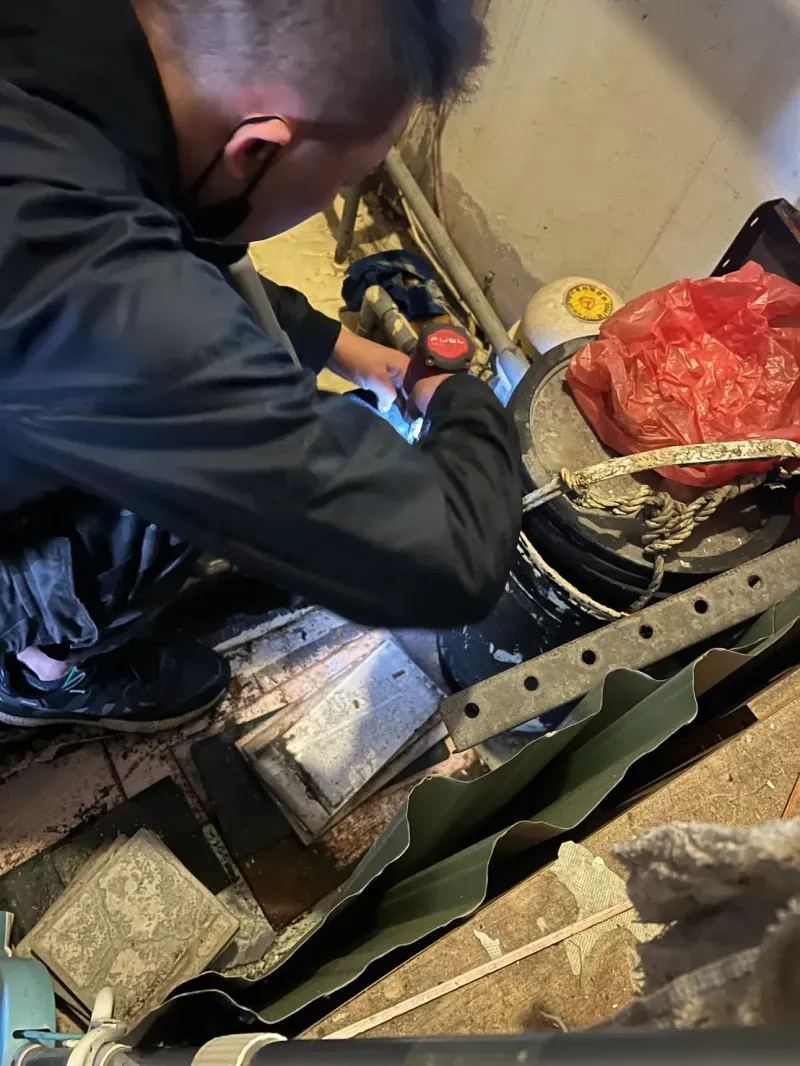
Before paying a deposit or signing a lease when viewing a rental in Taipei and New Taipei, complete five on-site tests: "run two faucets simultaneously to test water pressure", "open the distribution panel to check the earth-leakage circuit breaker and main amperage", "pour water in the shower area to check drain slope", "inspect window frames and exterior bathroom wall baseboards for water marks", and "verify Taipower bills and sub-meter billing rules". Under Civil Code (《民法》) Articles 423 and 429 paragraph 1, unless otherwise stipulated by contract, repair of the leased property is borne by the landlord; however, if you fail to spot low water pressure, ungrounded outlets, or efflorescence during the viewing, you will spend time formally notifying the landlord for repairs after moving in. Based on the Civil Code and the Ministry of the Interior Mandatory and Prohibitory Provisions of Standard Residential Lease Contracts (《住宅租賃定型化契約應記載及不得記載事項》) verified on 2026-11-07, this article summarizes a 15-minute on-site test routine and self-protective contract clauses.
5 plumbing and electrical on-site tests before signing a lease (15-minute viewing checklist)
Many renters only look at natural light and how new the furniture is during a viewing, discovering on their first night after moving in that the water heater will not ignite, turning on a hair dryer trips the breaker, or shower water pools around their feet. The 5 steps below require no tools to disassemble anything—just a phone flashlight and a plastic bottle of water during the viewing.
| Inspection item | On-site test action | Normal performance | Warning signs and underlying issues |
|---|---|---|---|
| 1. Water supply pressure and water heater ignition | Turn on both the bathroom showerhead (set to hot) and the basin faucet at the same time, running water continuously for 60 seconds | Flow remains steady at both fixtures, the gas or storage electric water heater ignites and heats normally, and the water runs clear without rust | On the 4th or 5th floor of an older walk-up without a booster pump, showerhead flow thins when two fixtures run together, and the water heater fails to ignite or fluctuates between hot and cold due to low pressure; yellowish-brown rusty water at first flow indicates corroded old galvanized iron pipes |
| 2. Distribution panel and outlet safety | Open the indoor distribution panel cover and check the main no-fuse breaker (NFB, 無熔絲開關) amperage rating, number of branch circuits, and the test button on the earth-leakage circuit breaker (ELCB, 漏電斷路器) | Main breaker is at least 30A to 50A+, branch circuits for AC, electric water heater, and bathroom outlets have an ELCB (with a small "test button"), and outlet faceplates show no scorching or looseness | In a subdivided suite where the entire room has only a single 15A or 20A no-fuse breaker, running the AC and a hair dryer together will inevitably trip the power; a storage electric water heater without an ELCB poses an electric shock risk |
| 3. Bathroom floor drain slope and toilet flush | Press the toilet flush button to observe vortex speed; pour water on the shower floor to see the direction of flow | Toilet evacuates rapidly within 3 to 5 seconds and refills the water seal normally; floor water flows smoothly toward the drain hole without backflow odors | If toilet water rises high first and recedes slowly, the soil pipe is poorly vented or partially clogged; if floor water pools in a corner or toward the door, the masonry drain slope was laid backward and will easily puddle and grow mold |
| 4. Window frames, ceiling, and bathroom exterior wall leak marks | Shine a phone flashlight at an angle across the bottom four corners of window frames, below the AC indoor unit, along the bedroom baseboard outside the bathroom wall, and inside the ceiling access hatch | Paint surface is flat and dry, wood flooring joints show no blackening or buckling, and calcium silicate ceiling boards have no yellow water stains | If only one lower wall corner has fresh white paint or plastic wallpaper pasted over it and feels powdery, hollow, or damp when pressed, it is usually covering efflorescence (壁癌) and bathroom seepage |
| 5. Independent electric meter and billing basis | Ask the landlord or agent to show the sub-meter location, photograph the current reading, and ask for the Taipower electricity bill account number and billing method | One meter per household billed directly per the Taipower bill, or a sub-meter billed at no more than Taipower's average rate per kWh for the period | Tangled sub-meter wiring, refusal to show the Taipower bill, or demanding a per-kWh rate or unallocated public electricity fee that violates the mandatory standard lease rules |
During a viewing, save the site's home inspection checklist tool on your phone to check off each item; once you decide to rent and return on handover day after signing, pair it with the site's rental move-in inspection and photo evidence guide to attach condition photos to the contract, linking "pre-signing screening" with "post-signing handover".
How rental electricity must be billed legally: Point 6 of the standard lease contract
Subdivided suites and shared apartments frequently run into electricity billing disputes. Point 6 of the Mandatory and Prohibitory Provisions of Standard Residential Lease Contracts announced and enforced by the Ministry of the Interior sets two clear caps on rental electricity charges:
- Per-kWh charges may not exceed Taipower's average rate per kWh for the current period: Where the lease stipulates billing by electricity usage (kWh), the per-kWh rate charged by the landlord may not exceed the average electricity price per kWh for the current period set by Taiwan Power Company (total electricity bill amount for the period divided by total kWh consumed for the period); where billing is not by kWh, the total electricity fee collected by the landlord for each period may not exceed the total amount on the leased premises' electricity bill for that period.
- Restriction on public facility electricity fees: If the landlord has not applied to Taipower to apportion and merge public facility electricity fees into the electricity bill of the leased premises, the landlord may not charge tenants extra for public facility electricity. In addition, the landlord is obligated to provide or authorize the tenant to query electricity fee information during the lease term, and tenants may also apply directly on Taipower's "Residential Rental Electricity Fee Query Zone" (住宅租屋電費查詢專區) website.
When negotiating rent during a viewing, if a landlord quotes a fixed per-kWh rate, first use the site's rental electricity rate checker tool to estimate the current average per-kWh tier and summer AC electricity cost, and request the latest Ministry of the Interior standard residential lease contract template when signing.