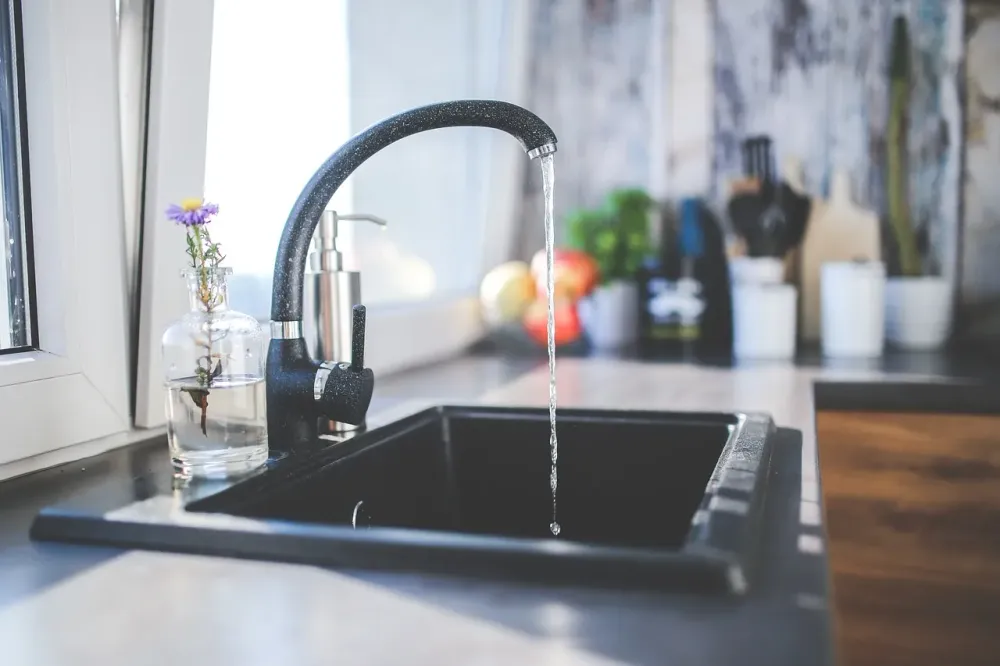
Bathroom faucets may sometimes leak, which wastes water and can cause damage to the bathroom. In this article we share simple inspection and repair tips to help you prevent bathroom faucet leaks.
1. Regular inspection
Regular inspection of bathroom faucets is the key to preventing water leaks. Check around faucets for signs of dripping or pooling. If any leaks are discovered, they should be addressed immediately to prevent further damage.
2. Check the faucet handle
Faucet handles are a common source of water leakage. Check the handle for signs of looseness or wear. If any, any loose screws should be tightened or the handle replaced if necessary.
3. Replace the O-ring
The O-ring is a small rubber ring located around the bottom of the faucet handle. Over time, the O-ring can wear out, causing water leakage. If you find that the handle is leaking, you can try replacing the O-ring to see if that solves the problem.
4. Check the faucet core
The faucet core is another component that may cause water leakage. Remove the faucet handle and inspect the faucet core for signs of damage or wear. If the faucet core is damaged, it should be replaced with a new core to prevent water leakage.
5. Check the Gasket
The gasket is the rubber seal located inside the faucet to prevent water leakage. Over time, gaskets can become worn or damaged, causing leaks. Regular inspection of gaskets and timely replacement can prevent water leakage.
6. Tighten joints
Loose joints may also cause water leakage. Check the connection between the faucet and the water supply pipe. If you find anything loose, you should use a wrench to tighten it to prevent leaks.
7. Use a faucet water saver
A faucet water saver is a small attachment that screws onto the end of the faucet. It helps reduce water flow and prevent splashing. Use a faucet water saver to prevent leaks by reducing the pressure on your faucets.
8. Avoid over-tightening
While it is important to ensure that all connections are tight, over-tightening can damage the faucet and cause leaks. When using a wrench to tighten a joint, you should be careful not to apply excessive force.
9. Install a water softener
Hard water can cause mineral buildup in your faucets, which can lead to leaks. Installing a water softener can help prevent mineral buildup and extend the life of your faucet.
🇹🇼 Expat Living Note: Home Repairs in Taiwan
If you are an international resident renting an apartment in Taipei, New Taipei, or anywhere in Taiwan:
- Voltage & Electrical Safety: Taiwan standard household voltage is 110V (60Hz). Do not plug 220V imported European/UK appliances directly without a certified step-up transformer.
- Plumbing Terminology: Local plumbers are called 水電 (Shuǐdiàn) and handle both water and electrical repairs.
- Landlord Obligations: Under Article 429 of Taiwan Civil Code, landlords are legally responsible for repairing natural wear and tear (such as hidden wall pipe leaks, water heater faults, or booster pump failures) unless explicitly waived in your lease.
Legal Disclaimer
The information provided on this website is for general educational and reference purposes only. For hazardous repairs involving live 220V electrical circuits, main gas lines, or structural wall drilling, always consult certified, licensed technicians. SOSfix disclaims any liability for personal injury or property damage resulting from DIY repair attempts.