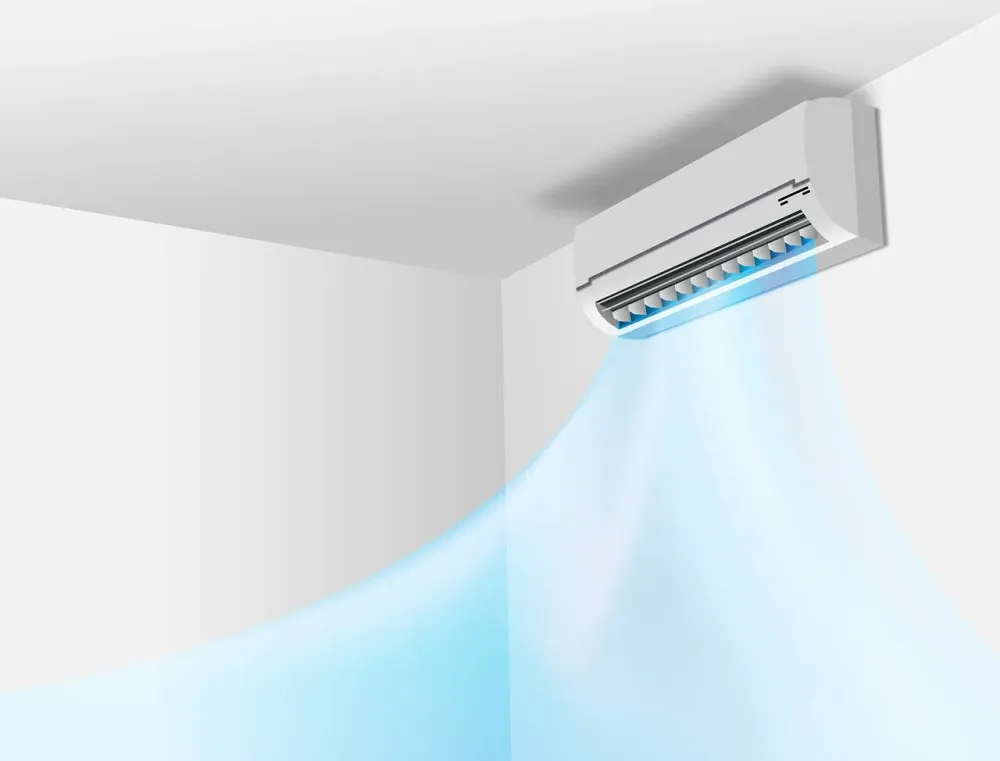
Stepping into a newly rented flat in early summer and turning on your bedroom air conditioner only to be greeted by pungent sour mold odors is awful: after thirty minutes, your throat itches and sneezing begins. Lifting the front plastic cover reveals dust half a centimeter thick on mesh filters and green-black mold across aluminum coils. How can tenants safely clean AC units without damaging appliances? This guide shares 3 easy steps.
Looking for the Chinese version of this article?切換至繁體中文版 →
Rental AC DIY Cleaning: Filter & Evaporator Coil Guide
This article is compiled from publicly available online sources for general reference only; readers should independently verify and judge its accuracy, and it is not legal, tax, medical or engineering advice. Rules, fees and subsidies change; check the latest notice from the responsible authority before acting. For electrical, gas, structural or health risks, consult a qualified professional.
This is the English edition of a Chinese article, adapted with AI assistance and checked against the original. Where the two differ, the Chinese version and the official sources it cites prevail.
Neglected Rental Air Conditioners: Blowing Airborne Bacteria and Spores
Taiwan's hot humid summers generate condensates across cooling evaporator fins; shutting units without drying cycles turns dark internal drip trays and blower wheels into breeding grounds for Aspergillus molds and dust mites. Neglected air conditioners expel millions of fungal spores every hour, triggering chronic allergic rhinitis.
Three DIY Maintenance Steps for Tenants (No Specialty Tools Needed)
Tenants can execute basic AC maintenance safely without dismantling electrical housings:
Step 1: Electrical Disconnection, Filter Removal, and Rinse-Drying
Safety first! Unplug dedicated air conditioner power plugs, or flip dedicated no-fuse breaker (NFB, 無熔絲開關) switches off at main panels. Pull front louvers upward, unhooking 2 plastic pre-filters; bring filters to showers, rinsing water from the rear side outward (preventing water pressure from forcing dust deeper into pores), brushing with soft toothbrushes and air-drying flat in shade.
Step 2: Spraying Foaming Coil Cleaners Across Evaporator Fins
Shake cans of commercial no-rinse air conditioner coil cleaner foam thoroughly; spray foam evenly across aluminum evaporator fins from top to bottom (crucial: avoid spraying the electrical microchip control box on the far right!); allow foam to dwell for 10 to 15 minutes, dissolving grease and mold.
Step 3: Running Cooling Cycles to Flush Dirty Condensate Outdoors
Once foam liquefies, reinstall dry filters and snap covers shut; restore electrical power, setting cooling mode to 24°C for 30 minutes; cold condensation flushes dissolved dirt down drainage troughs and through exterior condensate lines automatically. Calculate cooling sizing via our AC tonnage calculator.
When Must You Call Professionals? (Leaks, Rattles, or 3+ Years Without Deep Cleaning)
DIY foaming cleansers clean only 30% of surface fin dirt. Call licensed technicians when facing 3 critical symptoms: black mold clumping across cylindrical cross-flow fan blower wheels; water overflowing onto bedroom floors; or loud motor humming vibrations. Explore appliance advice in our appliance maintenance category.
Frequently Asked Questions
Can DIY foaming coil cleaners short-circuit microprocessors or damage units?
Units remain completely safe if you follow one strict rule: never spray liquids within 5 centimeters of the right-side electrical control enclosure! Wrap control boards in plastic wrap or dry towels before spraying; avoid motor bearings on blower wheel ends, focusing exclusively on center aluminum fins for 100% electrical safety.
Why does water drip indoors right after cleaning air conditioners?
A common occurrence. Dislodged clumps of dirt can slide into condensate trays, clogging drain hose elbows. Emergency fix: attach manual siphon pumps or wet vacuums to exterior drain lines to pull trapped sludge outward; alternatively, inject warm water with plastic syringes to flush drain channels.
Are air conditioning deep-cleaning costs paid by landlords or tenants?
Standard practice dictates: initial deep-cleaning before tenancy begins is the landlord's duty to guarantee functional hygiene; routine filter washing during tenancy is the tenant's ongoing custodial duty; if tenants renting over 2 years arrange professional deep disassembly, landlords often reimburse 50% of servicing fees upon agreement.
| Air Conditioner Care Level | Components Cleaned & Cleaning Agent | Execution Difficulty & Time Required | Air Quality & Energy Efficiency Benefit |
|---|---|---|---|
| Bi-Weekly Filter Maintenance | Pre-filters, tap water, soft toothbrush | Zero technical barrier, takes 10 mins | Blocks 80% lint, restores cooling airflow |
| Bi-Monthly Evaporator Foaming | Aluminum fins, commercial foaming cleaner | Low DIY difficulty, 40-min dwell cycle | Eliminates 70% mold odors, optimizes heat exchange |
| Annual Deep Disassembly Wash | Blower wheel, drain tray, pressure washer | Requires licensed tech, takes 1.5 hours | Cleans deep mold clumps, saves 20% electricity |
| Condensate Drain Pipe Jetting | Drain hose, snake wire, degreasing flush | Moderate plumbing skill, clears slime | Stops indoor water leaks, protects flooring |
Related reading: Air Conditioner Deep Cleaning Guide vs Spray Cans · Window vs Split AC in Taiwan: CSPF, Installation and Renting · AC Relocation Cost in Taiwan: Process and When Not to Move · Seasonal AC Deep Cleaning Evaporator Mold and Odor Guide