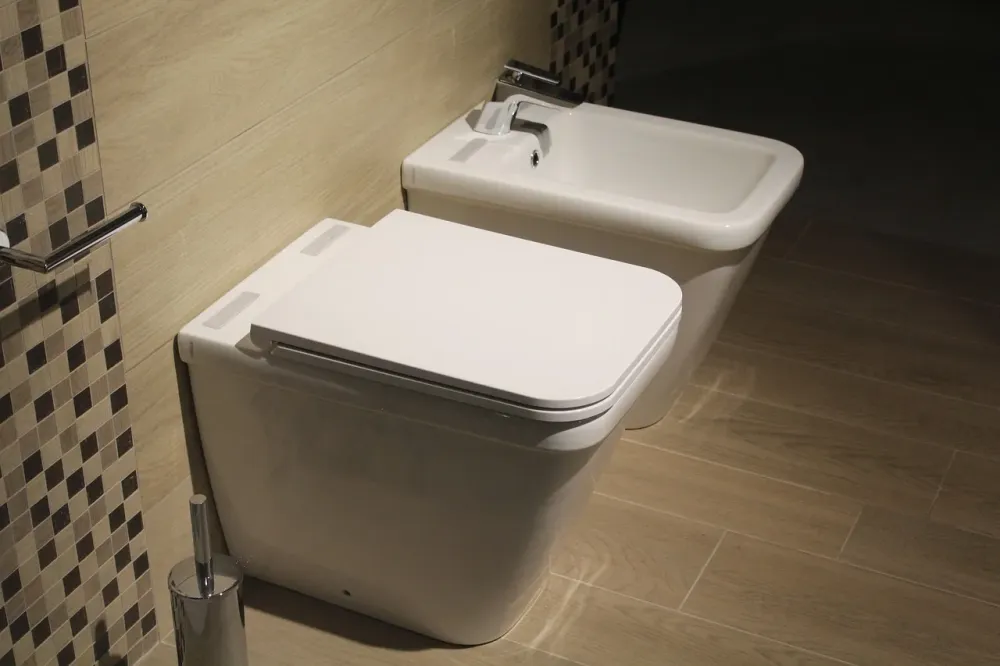
Direct answer: Shut off the toilet angle stop valve first and stop pressing the flush handle; do not pour chemical drain cleaners or hot water before the water recedes. Disinfect spilled sewage with diluted bleach, and wipe dry wood floors and cabinet bases immediately if soaked. When using a plunger to clear a blockage, improper technique or severe clogs often cause wastewater to overflow the ceramic rim instead of draining. When sewage mixed with waste floods bathroom floors and spills past door saddles, never panic and flush repeatedly; immediately cut off incoming water and carry out proper disinfection. For tool usage, consult the toilet clog emergency guide.
Looking for the Chinese version of this article?切換至繁體中文版 →
Toilet Overflows After Plunging: Shutoff and Cleanup Guide
This article is compiled from publicly available online sources for general reference only; readers should independently verify and judge its accuracy, and it is not legal, tax, medical or engineering advice. Rules, fees and subsidies change; check the latest notice from the responsible authority before acting. For electrical, gas, structural or health risks, consult a qualified professional.
This is the English edition of a Chinese article, adapted with AI assistance and checked against the original. Where the two differ, the Chinese version and the official sources it cites prevail.
Stop the Flow First: Shut Angle Valve, Lift Tank Lid, and Press Flapper
When toilet water rises continuously toward overflowing, the golden response window is only seconds; stop incoming water quickly following these steps:
- Tighten the angle stop valve: Squat behind the toilet near the wall and turn the slotted or oval angle valve clockwise to cut water to the tank.
- Lift tank lid and press down the flapper: If the angle valve is seized by limescale, lift the ceramic tank lid, reach down to press the rubber flapper flat against the flush valve seat, and lift the float rod to close the fill valve.
- Stop all flushing actions: Never push or trip the flush lever again; each tank flush releases 6 to 12 liters of water that severely aggravates the overflow. Renters can refer to the rental toilet clog troubleshooting guide.
Why It Gets Worse: Problems with Four Common Practices
When facing clogs, experimenting with home remedies frequently causes sewage to surge over the bowl. Here are four common mistakes:
| Mistaken DIY Method | Common Underlying Motive | Triggered Chain Reaction | Severe Resulting Consequence |
|---|---|---|---|
| Flushing repeatedly | Attempting to push clogs with water volume | Discharge trap blocked; 6 liters from tank has nowhere to go | Water level instantly overtops ceramic rim, flooding floors |
| Plunging after drain cleaner | Expecting dual action to speed chemical dissolving | Plunger downstroke creates intense pressure and turbulence | Corrosive chemical wastewater splashes forcefully onto body |
| Pouring boiling water into bowl | Trying to soften grease or paper clumps | Sudden thermal expansion; extreme ceramic temperature gradient | Bowl cracks unevenly from thermal shock, risking severe leg cuts |
| Shoving wire hangers inside | Attempting to hook deep objects or poke through | Unshielded wire scratches glaze, jamming in the S-trap | Punctures pipe gaskets or becomes wedged inside trapway |
Repeated Flushing
Toilets drain entirely via trapway siphonic action. When the discharge passage is clogged by objects or thick paper, each flush forces 6 to 9 liters of water from the tank directly into the bowl, quickly overtopping the rim and flooding the floor.
Plunging After Pouring Chemical Cleaners
Chemical drain cleaners contain concentrated caustic alkalis or strong acids. Plunging after pouring creates localized pressure that launches corrosive chemicals and sewage in all directions, risking chemical blindness or severe chemical burns upon contact with skin or eyes.
Pouring Boiling Water
Vitreous china has limited thermal tolerance. Dumping 100-degree boiling water into a cold toilet bowl creates severe thermal shock that crazes glaze finishes or explodes the ceramic chassis, risking life-threatening arterial lacerations.
Shoving Bare Wire or Coat Hangers
Uncoated wire ends are razor-sharp. Forcing them through the toilet leaves irreversible dark scratches on glazed surfaces, jams rigidly inside the S-trap, and risks puncturing rubber wax ring seals at the floor connection.
Sewage Cleanup and Disinfection Steps
Wastewater overflowing from toilets harbors abundant pathogenic microorganisms; cleanup and disinfection must be thorough:
Protection: Gloves, Masks, and Ventilation
Wear rubber waterproof gloves, medical masks, and protective eyewear before entering the contaminated area, and put on non-slip footwear. Turn on exhaust fans and open exterior windows to maintain air circulation, preventing inhalation of noxious fumes and aerosolized droplets.
Bleach Dilution and Dwell Time per Official Health Guidance
Per Taiwan Centers for Disease Control (衛生福利部疾病管制署) guidance, cleaning environments contaminated by excreta requires a 1,000 ppm diluted bleach solution (diluting 5% sodium hypochlorite bleach 1:50, meaning 200 cc bleach in 10 liters of tap water). Absorb standing wastewater first, spread the diluted bleach solution across contaminated floor and toilet surfaces, allow 10 to 15 minutes of contact dwell time, then mop thoroughly with clean water and ventilate to dry.
Handling Leaks Outside Bathrooms and Downstairs
If sewage escapes past the threshold onto laminate or hardwood flooring, moisture causes warping within 30 minutes. Mop up edges immediately with dry towels and run dehumidifiers. If sewage leaks through floor joints into downstairs ceilings, notify neighbors immediately; assess liability using the leak liability assessment tool and estimate expenses with the repair quotation generator.
Diagnosing the Clog Location: Bowl, Bathroom, or Building Riser
Toilet overflow does not always stem from the bowl itself; identifying the clog point clarifies repair actions and legal responsibilities:
| Observable Symptom | Likely Clog Location | Primary Responsibility | Standard Remedial Process |
|---|---|---|---|
| Only this toilet clogs; floor drains empty normally | Toilet internal S-trap or branch line blocked | Unit occupant (exclusive portion) | Use manual closet auger or pull toilet to clear line |
| Flushing toilet causes floor drains to bubble and spit | Shared branch waste pipe in unit blocked | Unit occupant (exclusive portion) | Clean shared bathroom branch drain with motorized drain snake |
| Toilet and floor drains erupt sewage without water use | Main building sewer riser blocked | Management committee (common element) | Alert management committee to clear riser and request upstream shutoff |
Whether Other Floor Drains Bubble Simultaneously
If only the toilet drains poorly while sinks and shower drains flow freely, the blockage sits within the toilet S-trap; if floor drains gurgle and bubble dirty water when flushing, the branch junction is blocked. For drain clearing techniques, see the drain clog DIY guide.
Signs of Backflow on Ground and Lower Floors
For 1st or 2nd floor units, sewage erupting from toilets without local water use signals a clogged main building sewer riser. Under Article 10 of the 公寓大廈管理條例 (Condominium Administration Act), report to the management committee to clear the line using common funds. For backflow prevention, read the low-floor backflow check valve guide; for vent checks, consult the post-pumping vent pipe clog inspection guide.
Methods to Try After Water Recedes and When to Stop
After closing the angle valve and waiting 1 to 2 hours, if water gradually recedes through slow gravity seepage, try one final safe plunge: seal the rubber cup over the hole, push down slowly to expel air, and pull up sharply to draw out paper clumps with suction. If 5 successive plunges yield zero improvement, or if hard items like toothbrushes or caps dropped in, stop immediately.
Inform the Plumber If You Used Chemical Drain Cleaners
If chemical drain cleaners were poured before calling a professional plumber, inform the technician 100% verbally before they enter the bathroom. Motorized drain cables spinning at high speeds fling caustic or acidic chemicals across the room; without specialized personal protective equipment, technicians suffer chemical burns and ruined gear. Truthful disclosure protects technician safety.
Frequently Asked Questions
How do I stop toilet water from continuously rising?
Immediately turn the angle stop valve behind the toilet clockwise; if stuck, lift the tank lid, press the rubber flapper flat by hand, and lift the float arm, avoiding pressing the flush handle again.
How should overflowing toilet water be disinfected?
Wear rubber gloves to soak up standing water, then dilute commercial 5% bleach 1:50 per Taiwan CDC guidance (200 cc bleach in 10 liters of water, achieving 1,000 ppm), wipe contaminated surfaces, wait 10 to 15 minutes, and wipe clean with fresh water.
What happens if I plunge after pouring chemical drain cleaner?
Cleaners contain strong acids or alkalis; plunging generates localized air pressure that violently sprays caustic chemicals and sewage outwards, creating extreme risks of permanent chemical blindness and deep skin burns.
Is a clogged toilet an issue with upstairs or downstairs neighbors?
If sewage erupts from toilets and floor drains without any household water use, 1st or 2nd floor units are experiencing a clogged building main riser, which constitutes a common piping issue managed by the committee; if poor drainage occurs only when using fixtures locally, the issue lies in the unit's private branch.
Sources
- Centers for Disease Control (衛生福利部疾病管制署): environmental cleaning, disinfection, and bleach dilution (verified 2026-11-11): provides dilution ratios and contact dwell times for excreta environmental disinfection.
- Laws and Regulations Database: Condominium Administration Act (公寓大廈管理條例) (verified 2026-11-11): Article 10 stipulates maintenance responsibilities and cost allocations for exclusive portions and common drainage stacks.
- Occupational Safety and Health Administration (勞動部職業安全衛生署): chemical safety and first aid manual (verified 2026-11-11): outlines hazard protection and first aid rinsing protocols for contact with strong acidic and alkaline cleaners.