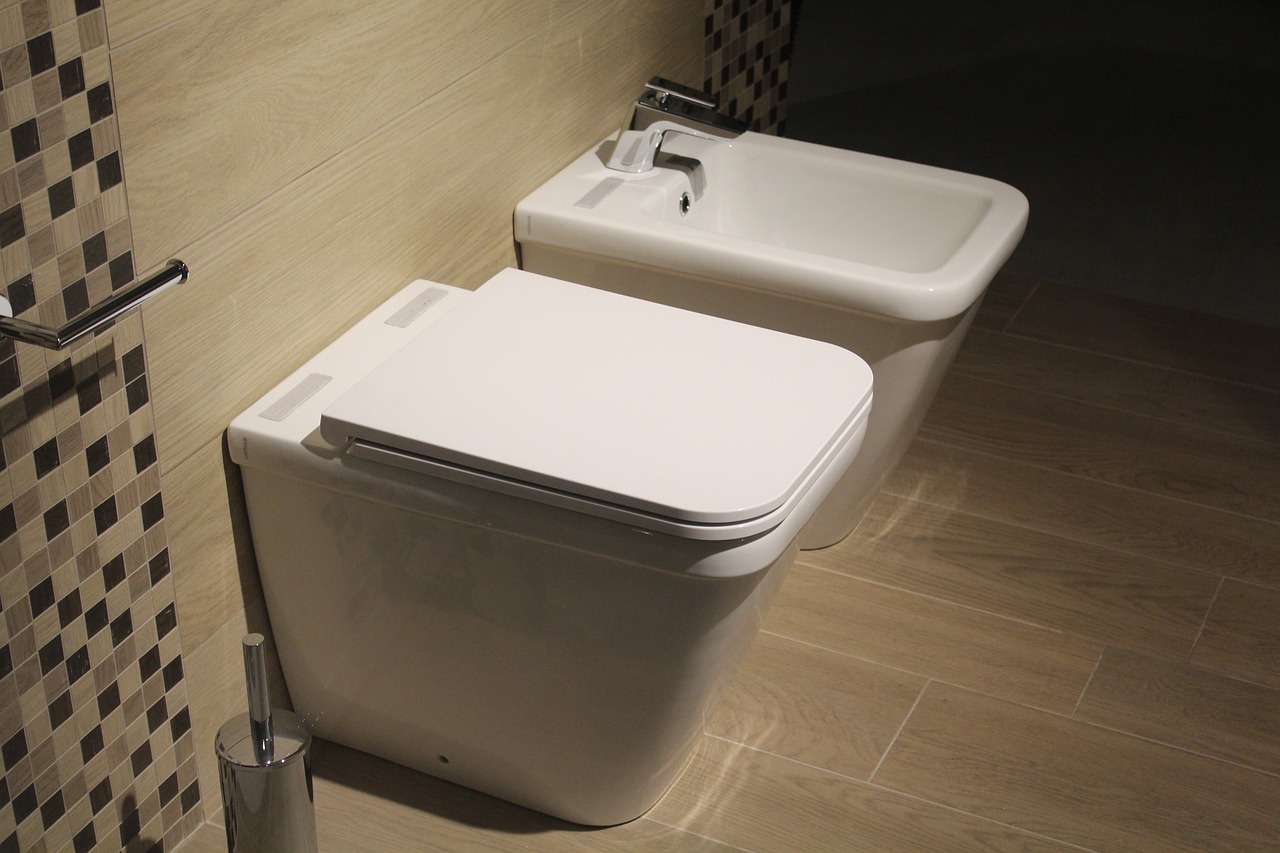
Many owners living in townhouses or older buildings over 30 years without municipal sanitary sewer connections encounter a frustrating mystery: even after paying several thousand dollars to have an environmental vacuum septic tanker pump the septic tank spotless, toilets still flush sluggishly without vortex power, accompanied by loud gurgling suction bubbles, with water rising to the bowl rim before receding at an agonizingly slow pace. This condition proves the issue is not a full septic tank, but rather an "Air Lock" caused by the soil stack vent pipe system, or deep structural damage such as collapsed internal septic tank baffles or reverse-slope soil stack settling.
Looking for the Chinese version of this article?切換至繁體中文版 →
Toilet Drains Slow After Septic Pumping: Vent Clog Guide
This article is compiled from publicly available online sources for general reference only; readers should independently verify and judge its accuracy, and it is not legal, tax, medical or engineering advice. Rules, fees and subsidies change; check the latest notice from the responsible authority before acting. For electrical, gas, structural or health risks, consult a qualified professional.
This is the English edition of a Chinese article, adapted with AI assistance and checked against the original. Where the two differ, the Chinese version and the official sources it cites prevail.
Warning: When lifting townhouse garage or courtyard septic tank manhole covers (inspection ports), smoking, open lighters, and non-explosion-proof flashlights are strictly prohibited on site! Agitated septic tanks immediately after pumping release extreme concentrations of flammable methane gas and neurotoxic hydrogen sulfide (H₂S); open flames will trigger violent vapor explosions, and inhaling heavy vapors causes sudden asphyxiation.
1. Toilet Flushing Fluid Dynamics: Drainage Thrust and Vent Stack Balance
According to fluid dynamics and architectural drainage design codes, flushing a toilet instantly releases roughly 6 to 9 liters of water, creating a high-velocity downward "piston flow" inside a 100mm (4-inch) vertical soil stack.
As this water piston plunges under gravity, a powerful negative pressure vacuum suction forms above it, while positive backpressure resistance compresses air below it. If the rooftop vent pipe remains unobstructed, fresh atmospheric air is drawn continuously into the stack to balance negative pressure, allowing wastewater to discharge freely. Conversely, when vent openings become blocked, the sealed vacuum creates atmospheric pressure that traps drainage from below, causing weak flushes and reverse bubbling.
2. 4 Hidden Causes of Poor Drainage After Septic Pumping
- Rooftop vent stack blocked by bird nests, foliage, or wasp hives: During rooftop terrace additions or renovations in older apartments, 50mm to 75mm soil stack vent openings are often obstructed by debris or lack insect screens, allowing sparrows to build nests or sediment to accumulate, triggering severe air locks for the entire building.
- Damaged or collapsed baffle between primary and secondary septic chambers: Septic tanks consist of an anaerobic digestion chamber, a filter chamber, and a clarification chamber. In concrete septic tanks enduring 30 years of acidic biogas corrosion, inverted T-shaped concrete divider baffles crumble, allowing solid sludge to rush directly into the outlet and choke filter screens during pumping.
- Reverse-slope blockage in gravity overflow pipes connecting septic outlets to public storm gutters: Septic systems ultimately discharge clarified effluent into street gutters. If public roadside ditches suffer severe siltation and water levels rise above the septic outlet, backflowing silt and mud stalls drainage throughout the entire septic system.
- Pumping technicians over-pumping and removing all active digestive bacteria: Proper septic operation depends on anaerobic bacteria breaking down organic solids. If pumped completely dry (without retaining the bottom 1/3 of active fermentation liquid), incoming solid waste cannot be broken down by bacteria, quickly solidifying into stubborn clogs at the intake elbow.
3. Rooftop Vent Pipe Clearing and Inspection Guide
- Access the roof to locate the soil vent stack: Typically a 2-inch to 3-inch diameter grey PVC pipe extending vertically above parapet walls or roof slabs, often fitted with mushroom-style or U-bend rain caps.
- Remove the vent cap to inspect for foreign debris: Detach the vent cowl and shine a high-intensity flashlight straight down into the pipe, inspecting for leaves, kite strings, dead birds, or construction mortar lodged in elbow fittings.
- Garden hose flushing and drain snake testing: Connect a garden hose to a hose bib, insert it directly into the vent opening, and flush at full volume. If the vent pipe is unobstructed, heavy water flow should plunge downward freely without backing up to the lip; if water pools rapidly or overflows, the line is clogged, requiring a motorized steel cable drain auger to clear the obstruction.
4. Inverted T-Pipe Inspection and Repair for Septic Tank Outlets
Immediately after septic pumping is the ideal window to examine internal tank structural components:
- Inspect intake fittings (inverted T-pipes): Where the toilet soil pipe enters the primary septic chamber, an inverted PVC T-baffle must be installed (submerged roughly 30 cm below water level). This configuration prevents surface scum crusts from backflowing and plugging the inlet pipe.
- Remediation methods for collapsed divider baffles: If concrete divider walls collapse, costly ground excavation can be avoided; modern plumbing and electrical work can install suspended internal PVC filter chambers or external airtight odor-sealed settling boxes to re-establish proper filtration routing.
5. Causes, Diagnostics, and Plumbing Repair Costs Comparison
| Root Failure Cause | Typical Symptoms | Inspection and Diagnostic Method | Repair Technique and Estimated Cost (NT$) |
|---|---|---|---|
| Rooftop vent stack air lock blockage | Flushing siphons dry P-trap / drain trap water with loud gurgling bubbles | Rooftop vent hose flooding test, negative pressure gauge check | Motorized auger clearing / Air Admittance Valve retrofit NT$1,500 - NT$3,000 |
| Primary chamber divider baffle collapsed | Toilet completely clogs again within 1 week of pumping | Open lid to visually inspect water level drops and baffle integrity | Internal suspended PVC baffle tube retrofit NT$4,500 - NT$8,500 |
| Main soil stack severe reverse-slope sag | Ground-floor toilet overflows repeatedly; drain snake retrieves thick grease sludge | Drain inspection camera endoscopy checking reverse-slope standing water | Partial trenching to reinstall suspended pipe hanging brackets NT$15,000 - NT$35,000 |
| Public ditch discharge outlet choked | Septic tank water levels surge during heavy rain, backing up indoors | Check whether roadside ditch discharge flap valve is buried under silt | Clear ditch discharge pipe outlet and install one-way check valve NT$2,000 - NT$4,000 |
6. Technical Standards for Sewage Facilities and Environmental Regulations
The construction and volume of building sewage treatment facilities and septic tanks must comply with the Building Sewage Treatment Facility Design Technical Standards issued by the Ministry of Environment. For vent pipe sizing, termination heights, and anti-air-lock standards, refer to Article 35 of the Building Technical Regulations (建築技術規則) Building Equipment Chapter published by the National Land Management Agency under the Ministry of the Interior.
For more septic care and drainage deodorization techniques, see our guides on septic tank pumping standards and toilet bubbling troubleshooting, as well as causes of drainpipe gurgling noises and air admittance valve retrofits.
7. Frequently Asked Questions
Q1: Can I install an Air Admittance Valve (AAV) behind an indoor toilet to fix air locks?
Yes, absolutely! This serves as an effective remedy when extending vent pipes to the roof is structurally impossible. Install an NSF/ANSI-certified one-way Air Admittance Valve (AAV) on the branch drain behind the toilet or beneath the vanity basin. When flushing creates negative pressure, the valve automatically draws in indoor air to eliminate vacuum locks; once drainage concludes, springs and magnetic seals close the valve 100% airtight, preventing sewer odors from escaping.
Q2: How much water should vacuum tanker trucks leave during septic pumping? Can it be pumped completely dry?
It must never be pumped completely dry! Standard environmental septic pumping removes only surface floating scum crusts and bottom settled sludge, while retaining roughly 1/3 of the active fermentation liquid containing anaerobic bacteria. After pumping, the technician should refill the tank with fresh tap water to normal operating levels to prevent dry tanks from cracking under groundwater buoyancy pressures.
Q3: Can chemical drain cleaners be poured into toilets right after septic pumping?
Never do this! Commercial drain cleaners contain high concentrations of strong alkalis (sodium hydroxide) or concentrated acids. Pouring them down toilets eradicates hard-earned anaerobic digestive bacteria colonies inside the septic tank, resulting in biological death of the tank, loss of organic decomposition capabilities, and rapid re-clogging accompanied by foul odors.
Q4: Why does a ground-floor townhouse toilet gurgle and bubble whenever the second floor flushes?
This is classic bottom-stack positive pressure backpressure! Large volumes of wastewater plunging vertically from the second floor hit the horizontal turn on the ground floor, decelerating rapidly and compressing trapped air into a high-pressure bubble. If the ground-floor soil pipe lacks an independent vent stack, pressurized air has no escape and bursts upward through the ground-floor toilet P-trap / drain trap water seal, requiring a low-level auxiliary relief vent for the ground floor piping and wiring.