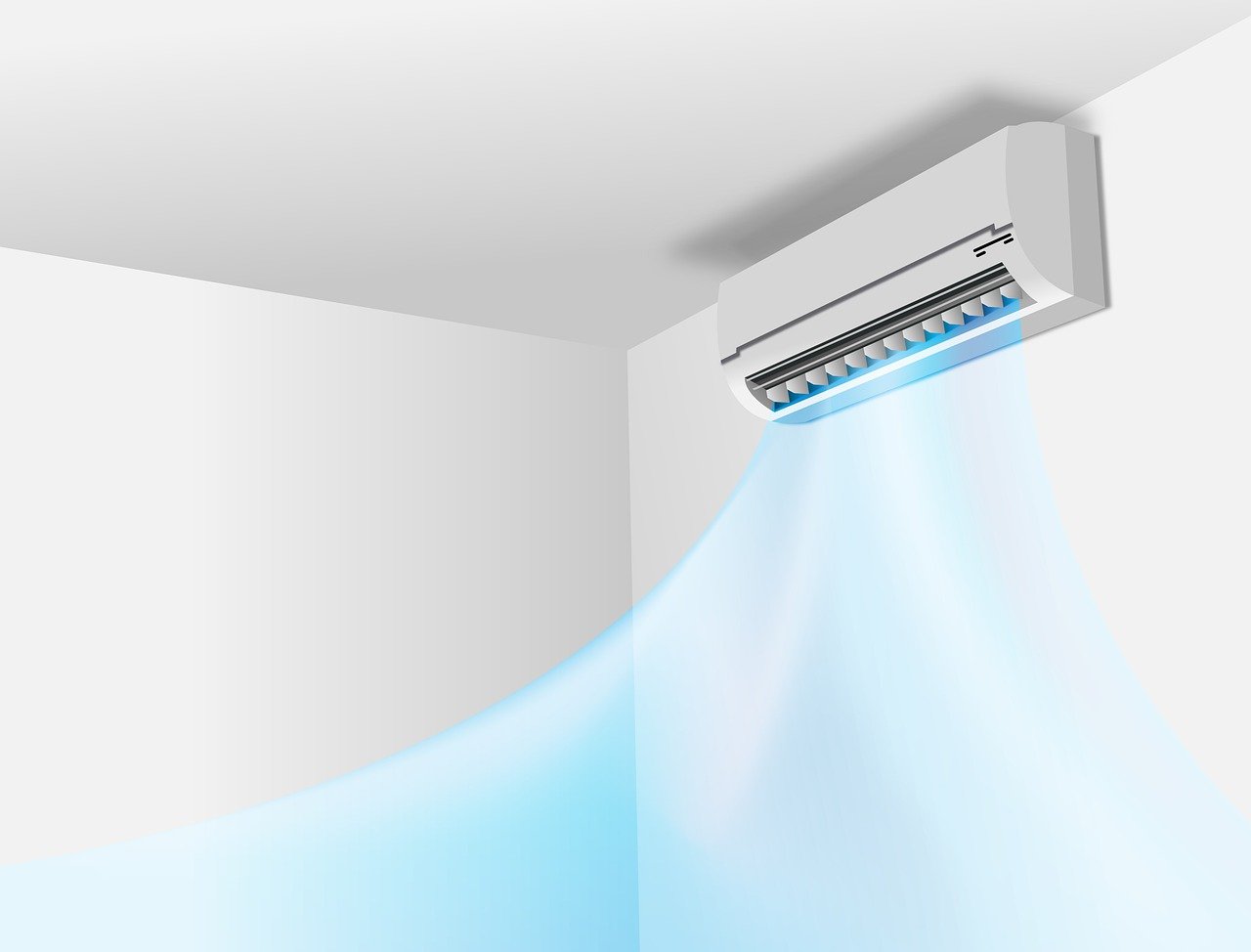
Direct answer: When a newly installed indoor split air conditioner drips water, the most common causes are an inadequate continuous downward drain pipe slope, an unlevel indoor unit, or missing refrigerant pipe insulation causing condensation. These represent contractor installation defects; take photos immediately and request prompt warranty rectification. Never disassemble refrigerant flare fittings yourself, and demand that the installer return to repair it under warranty.
Looking for the Chinese version of this article?切換至繁體中文版 →
AC Dripping After Installation: Drain Slope and Inspection
This article is compiled from publicly available online sources for general reference only; readers should independently verify and judge its accuracy, and it is not legal, tax, medical or engineering advice. Rules, fees and subsidies change; check the latest notice from the responsible authority before acting. For electrical, gas, structural or health risks, consult a qualified professional.
This is the English edition of a Chinese article, adapted with AI assistance and checked against the original. Where the two differ, the Chinese version and the official sources it cites prevail.
Identify Water Dropping Locations: Base, Wall, or Pipe Route
When an indoor unit drips immediately after new installation, precisely locating the dripping origin is essential. Different leak spots correspond to specific installation errors; recording videos and photos before turning off power prevents disputes over warranty liability. To verify whether room capacity matches unit sizing, use the AC Tonnage Calculator to confirm cooling demands.
| Dripping Location | Primary Leak Symptom | Common Installation Defect | Recommended Inspection Action |
|---|---|---|---|
| Lower edge of air louvers | Water droplets dripping off louvers | Drain pan overflow or unlevel unit | Check unit level and inspect if drain outlet sits too high |
| Wall behind mounting plate | Water seeping down wall seams | Uneven backplate or detached hose | Trace wall stains to see if water overflows behind unit |
| Along insulated pipe conduit | Water sweating through trunking | Incomplete insulation or bare flare | Inspect refrigerant copper joints for condensation water |
| Around exterior wall sleeve | Water entering wall during rain | Wall hole lacks outward drop or seal | Verify that outer wall hole is properly sealed with silicone |
Four Installation Defects
Over 90% of short-term leaks on brand-new air conditioning systems stem from workmanship defects during installation, primarily falling into 4 categories:
Reversed Slope, Excessive Length, or Crushed Drain Pipe
Air conditioning condensate drains purely by gravity. According to manufacturer installation manuals, drain piping must maintain a continuous downward slope of at least 1/100 (a 1 cm drop for every 1 meter of horizontal run). Sagging pipes or reversed inclines create airlocks that trap water. For more operational insights, see AC Dripping After Shutoff Causes.
Indoor Unit Not Leveled
Mounting plates must be leveled with a spirit level before securing. If tilted so the drain outlet is elevated (such as having the drain on the right while the unit slopes left), condensate cannot reach the outlet, filling the pan until water spills over the housing. Detailed installation methods appear in Taipei AC Drain Pipe Insulation and Leak Repair.
Incomplete Refrigerant Line and Fitting Insulation
Low-pressure refrigerant copper lines run cold at roughly 5 to 10 degrees during cooling, condensing room moisture upon contact. If insulation foam does not cover flare nut connections or lacks sealed taped joints, bare cold metal condenses water onto ceilings or walls. Read Taipei AC Refrigerant Pipe Insulation Sweating and Ceiling Leaks for details.
Unsealed Wall Penetration and Rain Backflow
Holes drilled through walls must slope downward from inside to outside. Flat or inward-sloping sleeves allow rainwater to run along pipes into living spaces; unsealed exterior gaps let wind and rain enter, mimicking internal condensate leaks.
What Homeowners Can Check Themselves
Before calling technicians for service, homeowners can perform non-destructive checks to pinpoint symptoms:
Pouring Water to Test Drainage
Turn off the unit and unplug the power cord. Open the front intake panel and remove air filters to expose the evaporator fins and condensate drain tray below. Using a bottle, slowly pour 500cc to 1000cc of clean water into the pan. If water drains smoothly without overflowing, the path is clear; immediate spilling indicates a reversed slope or blockage.
Checking Unit Level with a Spirit Level
Place a bubble level or smartphone level app flat on the top casing of the indoor unit. Confirm that the bubble is centered or tilting slightly toward the drain hose. A pronounced reverse tilt proves an installation plate defect.
Checking the Outdoor Drain Hose Outlet
After operating cooling mode for 15 to 30 minutes, inspect the outdoor drain outlet. Normal operation produces steady dripping condensate. If indoor dripping occurs while the outdoor outlet remains completely dry, the drain line is disconnected or airlocked.
Tasks Reserved for Professionals: Flare Nuts, Recharging, Vacuuming
Under the Refrigeration and Air Conditioning Business Management Act and Ministry of Environment rules, refrigerant line servicing requires specialized licenses and strict standards:
- Refrigerant flare nut torque: Flare fittings require calibrated torque wrenches; over-tightening fractures copper pipes, risking sudden refrigerant discharge and cryogenic burns.
- Refrigerant charging and evacuation: Systems using R32 or R410A require digital scales for precise charging and dual-stage vacuum pumps pulling below 500 microns.
- High-elevation outdoor unit servicing: Outdoor units mounted on exterior facades require certified safety gear and licensed technicians.
| Task Category | Specific Content | Permitted for Homeowner DIY | Regulatory and Professional Standards |
|---|---|---|---|
| Drain pan water test | Pouring water to verify smooth drainage flow | Yes (must shut off power and keep electronics dry) | Basic non-destructive visual self-check |
| Measuring unit level | Using a spirit level along the top frame | Yes (conducted from stable stepladders or floor) | Checking alignment against manufacturer leveling rules |
| Refrigerant pipe re-insulation | Re-wrapping insulation foam and tightening fittings | No (must be performed by licensed AC technicians) | Demands specialized leak-proofing and torque compliance |
| Evacuating and charging refrigerant | System leak testing, deep vacuuming, and charging | No (must be performed by licensed AC technicians) | Environmental regulations prohibit venting; requires technician license |
Determining Liability and Warranties
Resolving leaks after air conditioner installation requires distinguishing between manufacturer and contractor warranties:
Machine Warranty Versus Workmanship Warranty
The original equipment manufacturer warranty covers compressors, motherboards, and factory components; piping layout, wall drilling, unit leveling, and drain lines fall under installation workmanship. Installers or retail contractor crews usually provide 1 to 3 years of installation warranty. For tenant disputes, review the Rental AC Leak Responsibility and Evidence Guide.
Purchasing Machines and Installation Separately
When buying units online and hiring independent technicians for installation, factory service calls that confirm installation defects incur a diagnostic fee of NT$300 to NT$800 without fixing the leak. The installer bears full defect liability under civil contracting terms, requiring prompt free remediation. Compare labor estimates using the Repair Quotation Generator.
Documenting Evidence with Messages and Photos
When dripping is discovered, record video and photos showing the leaking spot, drip frequency, and spirit level readings, then report via messaging apps with timestamped logs. Under the Consumer Protection Act, thorough evidence supports warranty claims. For prevailing local pricing, consult the Taipei AC Cleaning and Installation Price List.
Correction Procedures and Post-Repair Verification
When technicians return for warranty repairs, standard fixes include releveling the mounting plate, adjusting drain pipe routing to remove dips, wrapping flare connections with heavy closed-cell insulation foam, and sealing exterior penetrations with silicone. After repairs, have the technician pour 500cc of water through the drain pan and run cooling mode for 30 minutes to verify bone-dry operation before signing service slips.
Frequently Asked Questions
Is a brand-new leaking air conditioner defective from the factory?
In most cases, no. Modern indoor unit drain pans undergo factory quality inspections. Over 90% of initial leaks stem from installation faults, such as airlocked reverse slopes, unlevel units, or uninsulated flare joints.
Must an AC drain pipe always maintain a slope?
Yes. Split air conditioners depend entirely on gravity drainage. Lines must maintain a continuous downward slope of at least 1/100 (a 1 cm drop per meter). Any sag or upward humps create water pockets that overflow the indoor drain pan.
Who covers warranty when buying equipment and hiring installers separately?
The equipment manufacturer covers internal parts, while drain slope, leveling, and joint insulation belong to the installer. If manufacturer service agents inspect the unit and identify installation error, they charge inspection fees and refer repairs to the original installer.
Can homeowners install split air conditioners themselves?
Under Article 3 of the Refrigeration and Air Conditioning Business Management Act, simple non-public residential installations are exempt from business registration rules. However, 220V wiring, exterior facade work, and vacuum tools mean self-installation voids warranties, making professional installation strongly recommended.
Sources
- National Laws and Regulations Database: Refrigeration and Air Conditioning Business Management Act (Verified 2026-11-11): Governs HVAC installation engineering standards and non-public simple installation rules (in Chinese).
- National Laws and Regulations Database: Consumer Protection Act (Verified 2026-11-11): Defines warranty liability for goods and services alongside dispute mediation rules (in Chinese).
- Ministry of Environment: Refrigerant Management and Service Protection Standards (Verified 2026-11-11): Regulates refrigerant recovery and strictly prohibits venting refrigerants into the atmosphere (in Chinese).
- Bureau of Standards, Metrology and Inspection: Air Conditioner Inspection and Installation Safety Guidelines (Verified 2026-11-11): Specifies technical installation and drainage safety criteria for split air conditioning units (in Chinese).
Related reading: Townhouse Yard Drainage: Slope, Trench Drains, Catch Basins