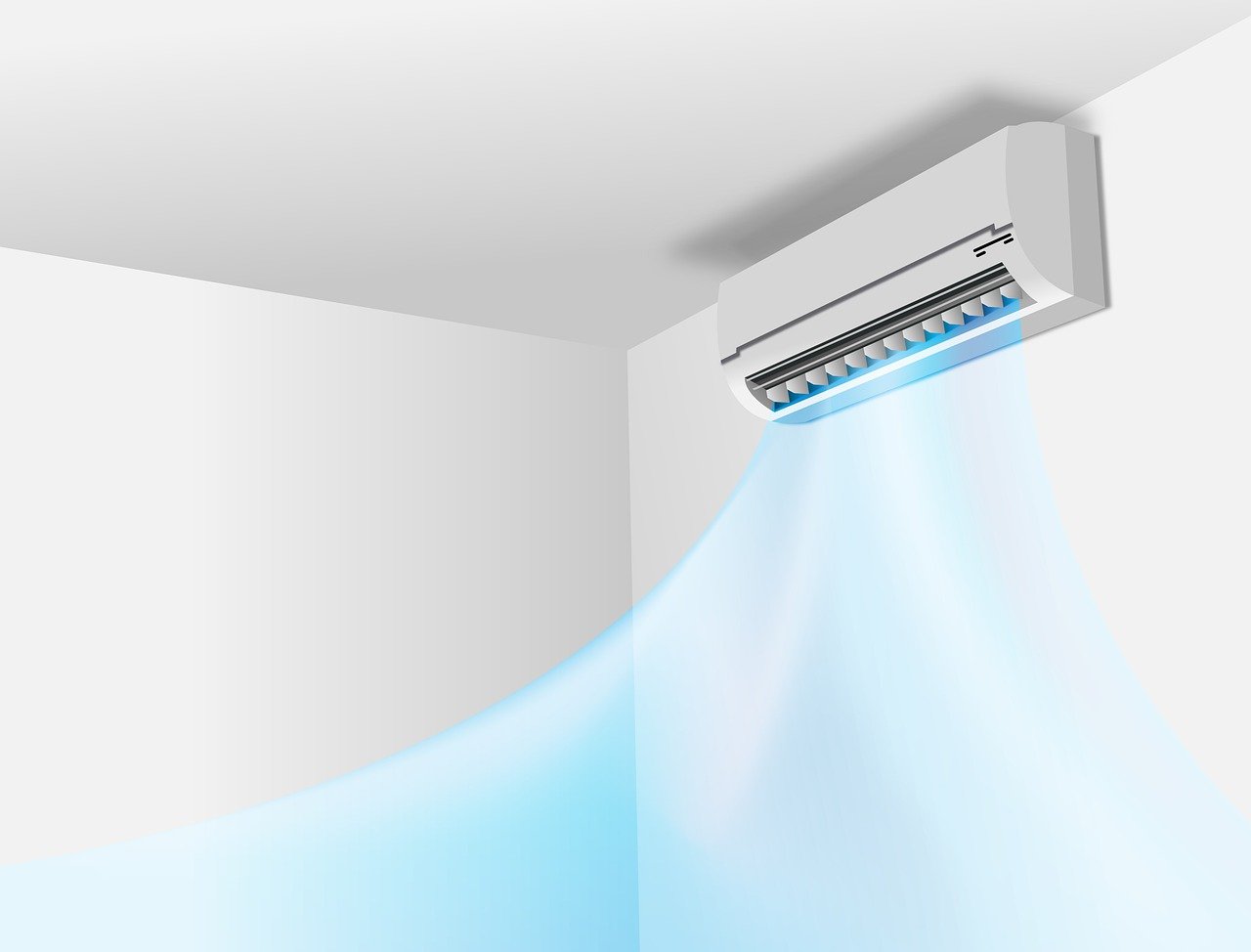
When an air conditioner operates flawlessly while running but begins dripping water from the lower louvers or chassis 10 to 30 minutes after being turned off, the most common causes are minor evaporator coil frosting that melts rapidly once airflow ceases, accumulated gelatinous biofilm sludge choking the drain pan outlet, or severe temperature differential condensation forming across closed airflow louvers. Many homeowners assume that cutting electrical power eliminates condensation, unaware that hours of active cooling leave internal aluminum fins and drain pans saturated with cold runoff; once the unit shuts down, dynamic airflow pressure drops and residual condensation unable to discharge smoothly via natural gravity slope spills over the pan baffles. Practicing proper pre-shutdown fan-drying routines and maintaining clear condensate drainage channels eliminates delayed dripping while protecting ceilings and hardwood flooring from moisture damage.
AC Dripping Water After Turned Off Causes and Inspection
This article is compiled from publicly available online sources for general reference only; readers should independently verify and judge its accuracy, and it is not legal, tax, medical or engineering advice. Rules, fees and subsidies change; check the latest notice from the responsible authority before acting. For electrical, gas, structural or health risks, consult a qualified professional.
This is the English edition of a Chinese article, adapted with AI assistance and checked against the original. Where the two differ, the Chinese version and the official sources it cites prevail.
Common Causes: 4 Key Mechanisms Behind Delayed AC Dripping
HVAC fluid mechanics and field maintenance records indicate that post-shutdown dripping typically originates from 4 structural factors:
1. Localized evaporator coil freezing and post-shutdown thawing: When air filters become heavily clogged or refrigerant micro-leaks lower system suction pressure, evaporator surface temperatures can drop below 0°C, causing condensate to freeze solid. While the cross-flow fan runs, dynamic suction holds water against the coil; once powered down, ambient room air rushes in, melting the frost layer within 10 minutes and overwhelming drain pan capacity.
2. Drain outlet partially blocked by gelatinous biofilm: High-purity condensation mixed with airborne dust and fungal spores fosters slippery microbial sludge within dark drain trays. During cooling operation, elevated water levels trickle through narrow gaps; after power-off, hundreds of milliliters of runoff accumulate quickly, backing up behind the obstructed outlet and spilling over drain pan baffles behind the indoor unit.
3. Chassis insulation foam degradation and sweating: The interior plastic chassis contains thermal insulation foam to prevent casing condensation. In units operated for 5 to 8 years, aged foam loses closed-cell insulation properties; post-shutdown, warm room air contacts the chilled chassis plastic, creating extensive surface condensation sweating that drips from the left and right corners.
4. Thermal bridge condensation on closing airflow louvers: Setting thermostat temperatures very low (such as 20°C to 22°C) leaves louvers chilled near 10°C; upon shutdown, louvers rotate closed against ambient 28°C air at 75% relative humidity. The steep thermal gradient causes moisture to condense rapidly along blade edges and drip onto the floor.
Diagnostic Checklist: Dripping Timing and Troubleshooting Matrix
Users can correlate dripping patterns and moisture origin points using the troubleshooting table below:
| Observable Dripping Pattern and Water Location | Internal System Failure Point | Preliminary Inspection Action and Proper Remedy |
|---|---|---|
| Water drips from center louvers 10 minutes after shutdown | Evaporator coil frost melting and overflowing drain pan | Remove intake filter and use a flashlight to check coil for white frost; frosting indicates cleaning or refrigerant servicing is required |
| Water seeps from bottom left or right rear casing joints | Biofilm sludge obstructing the drain pan outlet | Inspect external drain hose terminus; if flow is negligible, use a manual suction bulb or vacuum pump to dislodge sludge blockages |
| Louver blades covered in heavy sweat droplets dripping at ends | Thermal bridging on chilled louvers or saturated chassis insulation | Run unit on Fan Mode for 15 minutes before turning off to dry out internal moisture and prevent surface condensation |
| Unit equipped with external drain pump drips continuously after shutdown | Float sensor stuck or drain pump check valve failed | Inspect pump reservoir; disconnect power and tap pump gently; clean reservoir and check valve to prevent backflow |
DIY vs. Professional Boundaries: Safety Protocols
Managing indoor unit water leaks requires clear boundaries to prevent electrical shorts or structural damage:
1. Safe homeowner maintenance tasks: Immediately spreading absorbent towels and buckets beneath leaks to protect flooring, wiping louver surfaces with clean cloths, washing intake filters every 2 to 3 weeks, and running Fan Mode for 15 to 20 minutes prior to powering off.
2. Intermediate DIY maintenance tasks: Locating the outdoor condensate drain hose terminus and using a manual suction bulb to dislodge gelatinous slime at elbows, or unplugging and flushing external micro-pump reservoirs.
3. Professional technician repair boundaries: Handling evaporator coil refrigerant leaks, replacing cracked or detached drain pans, releveling indoor unit wall mounting brackets, or adjusting concealed ceiling drain pipe gradients. Mishandling pressurized copper tubing risks catastrophic refrigerant discharge.
Standard Professional Repair and Preventive Maintenance SOP
HVAC technicians employ systematic procedures to eliminate post-shutdown condensate leaks:
1. High-pressure coil cleaning and drain flushing: Technicians mount protective cleaning hoods beneath the indoor unit, applying neutral coil cleaners and high-pressure water sprays to dislodge mold and grime. The drain pan is removed and scrubbed, while flexible plumbing snakes clear internal tubing walls, followed by a 1,000 ml water drainage test to verify unobstructed flow.
2. Refrigerant operating pressure diagnostics: If dripping stems from coil icing, technicians connect manifold gauges to outdoor service valves, measuring low-side pressure under full-load operation (for R410A refrigerant, typical suction pressure is 110 to 130 psi). Pressure readings under 80 psi confirm low refrigerant charge, requiring electronic leak detection, brazing repairs, and precise weight recharging according to nameplate specifications.
Repair Cost Breakdown and Pricing Factors
AC leak repair pricing depends on indoor unit configuration (wall-mounted vs. ducted) and servicing complexity:
1. Basic drain unclogging and leveling adjustments: For standard residential split units, clearing drain sludge, adjusting bracket level, or replacing external drain hoses typically costs between NT$ 1,200 and NT$ 2,000 in Taiwan, inclusive of callout inspection.
2. Comprehensive deep cleaning and chemical servicing: When drain pans and blower wheels are heavily fouled, on-site high-pressure deep cleaning averages NT$ 2,000 to NT$ 3,000 for wall-mounted units, while concealed ducted units requiring attic crawlspace access range from NT$ 3,000 to NT$ 4,500 or more.
3. Drain pump replacement or refrigerant recharge: Replacing a failed condensate lift pump with a quiet submersible unit costs NT$ 1,800 to NT$ 2,500 for parts and labor, while repairing brazed joints and recharging refrigerant ranges between NT$ 2,500 and NT$ 4,000.
Frequently Asked Questions
Should I run the AC on Fan Mode before turning it off, and does it prevent leaks and mold?
Adopting this habit is strongly advised and highly effective. When powered off immediately after cooling, saturated coils and damp drain pans remain sealed in darkness, promoting mildew growth within 48 hours and producing musty odors while causing louver condensation. Operating Fan Mode for 15 to 20 minutes before shutdown allows ambient airflow to evaporate residual coil moisture, eliminating thermal bridge condensation and maintaining clean internal components.
Why does my AC run all night without dripping, only to leak right after being turned off?
This illustrates negative pressure air hold dynamics. High-speed cross-flow blower wheels generate localized negative pressure near the drain pan, holding surface moisture within drainage channels during operation. Once power is cut, fan speed drops to zero, the suction barrier dissipates, and held runoff spills downward; simultaneously, any light frost accumulated on coil fins rapidly thaws, creating an abrupt influx of water that overflows the tray.
If concealed ceiling drain pipes leak, must the entire false ceiling be dismantled?
Complete ceiling removal is rarely necessary. Standard residential renovations incorporate 40 × 40 cm access hatches near ducted AC units. Technicians insert borescope cameras to inspect drain joints, insulation tears, or pipe sagging; repairs within reach require only localized pipe re-gluing or insulation wrapping. Only when drain lines lack proper slope across inaccessible spans is minor plasterboard cutting required for pipe realignment.
Summary and Professional Recommendations
Post-shutdown AC dripping serves as an early indicator of drain line restriction or coil frosting; ignoring leaks risks costly ceiling rot or warped hardwood floors. Inspect filter cleanliness promptly and utilize pre-shutdown fan drying; if dripping persists, schedule professional HVAC maintenance to flush drainage pathways and verify refrigerant pressures.
To assess plumbing leakage risks and electrical safety, explore our Water Leak and Water Bill Loss Calculator to estimate seepage losses, check air conditioning circuits using the Wire Ampacity and Breaker Calculator, and refer to the Home Inspection Checklist for seasonal pre-summer HVAC evaluations.
Sources
This technical guide is compiled from public engineering references and building standards:
- Bureau of Standards, Metrology and Inspection: Electrical Safety Specifications and Condensate Drainage Guidelines for Air Conditioners
- Energy Administration, Ministry of Economic Affairs: Wiring Regulations for User Electrical Equipment and HVAC Moisture Protection Standards
Disclaimer: This technical guide is compiled from public engineering references and building standards. Actual on-site conditions vary across individual properties; readers should evaluate technical applicability carefully and consult qualified trade professionals.
Related reading: Rental Air Conditioner Leak Repair and Evidence Guide · Window AC Hole Waterproofing and Wall Repair in Taipei