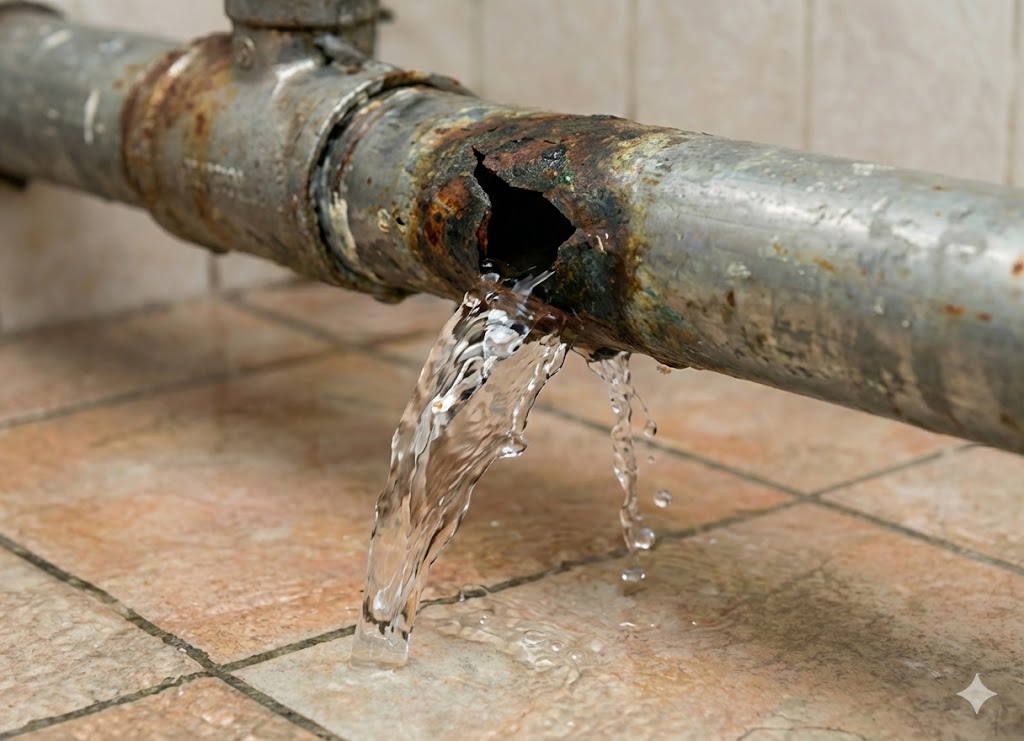
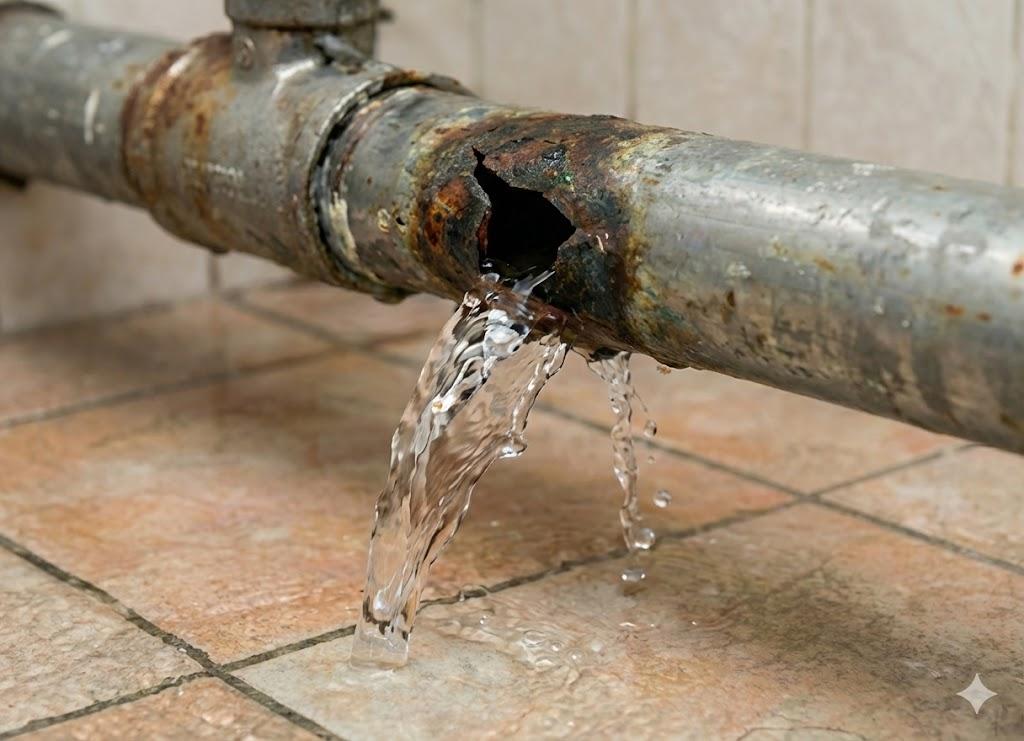
Direct answer: Over a long holiday or a one- to two-week trip abroad, many plant owners worry about potted plants dying without water, but the worse nightmare is “you are overseas, the tap-water hose at home bursts, and your living room and the whole building below are flooded.” In leak detection cases, leaving a tap open and connected to an automatic drip system while away is one of the common causes of flooding in high-rise buildings. The safest and most reliable water supply option is “an independent reservoir with a small DC pump drip unit (the pump stops when the water runs out, strictly limiting the maximum possible leak).” The on-site three-step safety check before leaving: first, clear fallen leaves and hair from all floor drains on the balcony and in the bathroom so drainage stays clear; second, the bottom of the reservoir must be “lower than the pot surface” to prevent siphon backflow; third, before leaving, close the main cold-water valve for non-essential indoor use. (Sources verified: 2026-11, i.e. November 2026)
Plant Watering While Away: Burst Risk and Valve Checks
This article is compiled from publicly available online sources for general reference only; readers should independently verify and judge its accuracy, and it is not legal, tax, medical or engineering advice. Rules, fees and subsidies change; check the latest notice from the responsible authority before acting. For electrical, gas, structural or health risks, consult a qualified professional.
This is the English edition of a Chinese article, adapted with AI assistance and checked against the original. Where the two differ, the Chinese version and the official sources it cites prevail.
The Pain Point of Watering Plants on Holidays and Trips Abroad: Why a Tap Left Open Feeding a Drip Line Carries the Highest Flood Risk
Screwing an automatic watering timer directly onto a tap looks easiest because “the water never runs out.” But that is exactly the fatal danger. During seven to ten days unattended, the water pressure in the tap-water network changes with usage hours (when residents use little water at night, pressure may be on the high side).
Meanwhile, 4/7mm PE micro-spray tubing, tens of metres long and exposed to sunlight UV, can easily be forced off at the tee splitters as its fittings endure long-term high pressure and day-night thermal expansion and contraction. Once a tube comes off, high-pressure tap water keeps spraying out on the balcony. If the balcony floor drain happens to be covered by a few fallen leaves, standing water may within a short time rise over the thresholds of the living room’s aluminium doors and windows, pour in and soak the solid wood flooring, and seep down through gaps in the floor slab and pipe shafts to the floors below, triggering costly renovation and appliance compensation disputes (under Article 184 of the Civil Code, a person who unlawfully infringes another’s rights through negligence is liable for damages).
Comparison Table of How Many Days Four Watering Methods Last and Their Flood Risk
Before leaving, choose the best water supply option according to the number of travel days and your risk tolerance:
| Type of water supply method | Duration supported (approximate) | Risk level of system flood damage | Precision of water supply to the plant | Suitable plant scale and space |
|---|---|---|---|---|
| Wick watering / seeping ceramic spikes | Short range | Zero risk (no pressure, pure gravity micro-flow) | Poor (flow slows sharply as the water level falls) | 1~2 small shade-tolerant foliage plants on an office desk |
| Saucer reservoir (soaking in a deep tray) | Medium range | Very low (stops when the tray is full, no overflow) | Medium (easily causes root suffocation and rot in dry-loving plants) | Moisture-loving, water-tolerant plants such as peace lily, carnivorous plants and pennywort |
| Independent reservoir + USB mini pump drip unit | Depends on reservoir capacity and settings | Very low (maximum leak is limited by reservoir capacity) | Excellent (precise timed and metered drip, down to the second) | Can limit the maximum leak; better suited to long trips |
| Tap left open + electronic timer | In theory unlimited | Extremely high risk (a burst pipe floods the whole building) | Good (watch for high pressure forcing off the drippers) | Strictly prohibited unless necessary; if used, a leak shut-off valve must be added |
The Safest Option: Independent Reservoir Pump Drip Setup (Limits the Maximum Leak)
The core safety philosophy of professional plumbing and electrical work is “Fail-Safe”: even if the system fails completely, the damage it causes must be strictly limited. The advantage of an independent reservoir setup is that even if a hose comes off, or the microcontroller chip crashes and the motor keeps running, the worst case is only that all the water in the bucket is pumped out onto the balcony floor. The water in the bucket is limited, far less than continuous tap-water supply, and as long as the balcony floor drain is clear, the chance of water flooding into the living room is relatively low. Installation planning:
- Calculate total water storage: Suppose 20 medium plants each get 100 ml of micro-drip per day; that is about 2 litres of water per day and about 20 litres for ten days abroad, so prepare a slightly larger plastic bucket with a lid (the lid prevents mosquitoes laying eggs and water evaporating); adjust the actual amount to plant species and season.
- Add a weighted sinking metal strainer: The end of the inlet silicone tube must be fitted with a fine stainless-steel mesh strainer with a weighted metal ring, so the intake always sits at the very bottom of the bucket and does not draw in scale or algae that would jam the motor.
Anti-Siphon Backflow and Electrical Safety of Timer Sockets
The most common hidden hazard of pump-type drip equipment is the “siphon effect.” If the water level in the reservoir is higher than the drip emitters at the pots, then after the timed pump runs once and stops, atmospheric pressure makes water keep flowing out through the water-filled tube until all the water in the bucket has been siphoned away.
Anti-siphon rule: the reservoir’s “highest water line” must always be lower than the “drip stake outlets” of all the pots. Alternatively, install a garden “anti-siphon breaker” at the highest point of the main outlet line. On the electrical side, drip equipment mostly runs on 5V DC; the USB adapter and socket used must be raised well off the floor, and must never be thrown directly onto the balcony tiles, to prevent a short circuit from sudden rain splashing.
5-Minute Pre-Departure Safety Checklist for Whole-Home Water Valves, Balcony Drains and Sockets
In the five minutes before you lock the front door and set off for the airport, work through the following five-step safety list:
- Check the balcony floor drains: Pick the dead leaves, sand and hair off the strainers of all balcony drains by hand, then pour in five litres of water to test whether it drains smoothly without swirling or blockage.
- Unplug non-essential plugs: Unplug all non-essential extension cords and plant grow lights in the living room and on the balcony to reduce the risk of short-circuit fires.
- Manually test the drip system: Press the drip unit’s manual run button for thirty seconds and check that every drip stake outputs water normally and that no branch line at any tee is loose or seeping.
- Leave a ventilation gap in the windows: If the balcony has sealed airtight windows, leave a ventilation gap (while also considering rain) so the plants are not scorched by stuffy heat on the balcony.
- Confirm the whole-home water valve is closed: If you are not using tap-left-open equipment, turn the main inlet valve in front of the water meter ninety degrees to close it before leaving, which greatly reduces the risk of indoor piping bursts and leaks; if the water meter is still turning while the whole home has stopped using water, there may be a leak in the internal line, which must be repaired first.
If you want to know about water bill reductions after repairing an underground leak in the internal line, contact your water supplier (Taiwan Water Corporation has a reduction application for “underground leaks in a user’s internal line,” which requires a repair certificate from a qualified water pipe contractor). For leak disputes, you can look up the leak liability determination tool; for routine piping safety, compare against the routine home leak checklist; for emergency water situations, see the 24H emergency plumbing and electrical rescue service.
Frequently Asked Questions
If I turn off the whole home’s main water valve before leaving, will the water heater or booster pump run dry and burn out?
Before closing the main water valve, you must also switch off the “booster pump power switch” and the “dedicated no-fuse breaker (NFB, 無熔絲開關) of the storage-type electric water heater.” If the booster pump’s power is not switched off, when the pressure in the pipes drops the motor may sense the pressure loss and keep running dry; an electric water heater that is powered while lacking water inside will also burn out its heating element. For both, cutting power first and closing the water afterward is the safest.
I used the “wick method” for a five-day trip; why were my plants still dead when I got home?
Wick watering relies on capillary action, and its supply efficiency is limited by physical limits. If the bucket is too far from the pot, or more than ten centimetres of the cord is exposed to dry air, the water has already evaporated into the air while climbing and never reaches the soil; in addition, the whole cord must be “fully soaked first” before use, and if a dry cord is put in directly, the capillary channel cannot start properly.
What should I do if a strong typhoon warning arrives while I am abroad and my balcony plants are on automatic watering?
A typhoon brings very heavy rain; if automatic watering still supplies water on its daily schedule, the pot soil becomes severely oversaturated and the roots rot, and more dangerously, wind shear can blow the tubing down. If you already know before leaving that a typhoon may strike, it is recommended to move all outdoor pots back indoors and place them on the entrance floor before departure, and simply turn the automatic watering amount down by half.
Sources
- National Laws and Regulations Database: Civil Code Article 184 (verified 2026-11, i.e. November 2026): Provides that a person who unlawfully infringes another’s rights, intentionally or through negligence, is liable for damages, corresponding to the liability risk of leaks flooding the floor below while you are away.
- Taiwan Water Corporation: Water Bill Reduction for Underground Leaks in a User’s Internal Line (verified 2026-11, i.e. November 2026): Explains the documents required to apply for a water bill reduction after an underground leak in the internal line is repaired, and the cases where it does not apply.
Related reading: How Much Do Balcony Plants Add to a Taiwan Water Bill?