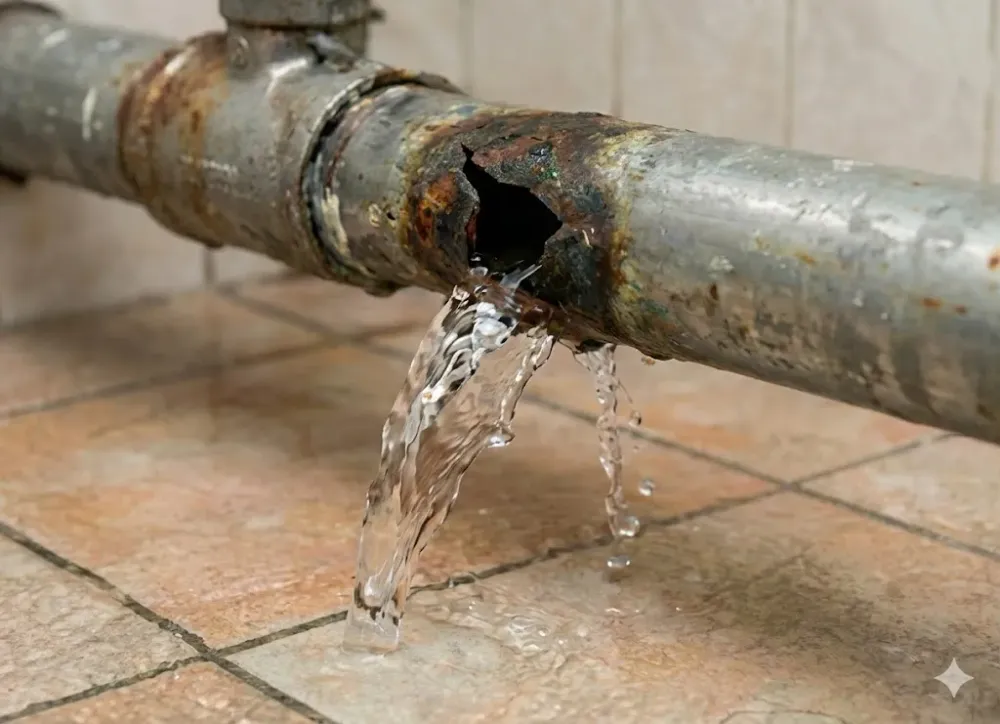
Under the intense typhoon strikes that assault Taiwan each summer and autumn, windward window frame water infiltration represents the most widespread building pathology across high-rise condominiums and townhouses, originating primarily from "ultraviolet degradation of perimeter silicone sealant joints" and "wind-pressure backflow through sill weep holes." Typhoons packing Beaufort scale 10 to 12 gale-force winds generate immense static and dynamic wind pressures (differentials exceeding thousands of Pascals Pa) across windward facades. This forces driving rain directly through microscopic sealant fissures and sash tracks, migrating through structural cracks into interior flooring and baseboards to cause pervasive mold. Understanding sealant weatherability, enforcing backer rod "two-sided adhesion" standards, and installing baffled weep-hole dampers provides a permanent engineering remedy before typhoon season arrives.
Typhoon Window Frame Waterproofing and Sealant Inspection
This article is compiled from publicly available online sources for general reference only; readers should independently verify and judge its accuracy, and it is not legal, tax, medical or engineering advice. Rules, fees and subsidies change; check the latest notice from the responsible authority before acting. For electrical, gas, structural or health risks, consult a qualified professional.
This is the English edition of a Chinese article, adapted with AI assistance and checked against the original. Where the two differ, the Chinese version and the official sources it cites prevail.
Three Infiltration Breaches: Sealant Degradation, Shear Cracks, and Track Backflow
Property owners often respond to window leaks by spraying polyurethane expanding foam or painting surface waterproofing coats haphazardly, only to experience recurring leaks during the next storm. Permanent remediation requires identifying three physical failure pathways:
1. Exterior Silicone UV Embrittlement: The perimeter joint between aluminum frames and concrete or exterior tile experiences punishing UV irradiation and cyclic thermal movement. Inferior sealants lose plasticizers within 3 to 5 years, turning yellow, shrinking, and debonding from masonry substrates to create continuous gaps spanning dozens of centimeters.
2. 45-Degree Corner Structural Shear Cracks: Under seismic shaking and severe wind-induced structural deflections, the four corners of window openings experience severe shear stress concentrations, developing 45-degree diagonal hairline cracks. Rainwater penetrating exterior stucco migrates via capillary action horizontally into interior plaster, erupting as efflorescence.
3. Wind-Pressure Backflow through Sill Weep Holes: Aluminum window tracks feature weep holes designed to evacuate accumulated rainwater outward by gravity. During typhoons, positive wind pressure blocks these orifices and forces air inward, preventing drainage and pushing pooled track water over interior sills into living spaces.
Perimeter Joint Sealant Comparison: Neutral Silicone vs MS Polymer
When restoring exterior window frame waterproofing, the chemical formulation of the joint sealant governs weatherable longevity:
| Material Physical Property | Standard Construction Neutral Silicone | Modified Silicone Polymer (MS Polymer) | Acetic Acid Cure Silicone |
|---|---|---|---|
| Exterior UV Weathering Lifespan | Good (approx 5 to 8 years, strong UV stability) | Outstanding (10 to 15 years, resists cracking) | Poor (embrittles rapidly, interior glass only) |
| Surface Paintability with Coatings | Unpaintable (low surface tension, paint flakes) | Superior (bonds with water- or oil-based paints) | Unpaintable |
| Concrete Adhesion and Non-Corrosiveness | Good, non-corrosive to aluminum and masonry | Exceptional, strong chemical bonding to stone | Releases acetic acid, etches cement & metal |
| Joint Movement Accommodation | ±25% to ±50% movement capacity | ±25% to ±35% movement with high elastic recovery | Under ±15%, tears under cyclic shear strain |
| Stain Resistance and Dirt Pickup | Attracts airborne particulates (black fluid streaks) | Zero silicone oil migration, keeps facades clean | Prone to mildew and dust buildup |
Critical Joint Waterproofing Standards: Backer Rods and Two-Sided Adhesion
The leading cause of premature sealant joint failure is three-sided adhesion. If sealant bonds simultaneously to the window frame, the exterior masonry reveal, and the back of the joint cavity, thermal expansion and wind vibration cannot stretch the elastomeric bead freely. Triaxial stress concentrations rip the sealant apart internally.
Standard professional joint sealing methods require:
1. Old Sealant Removal and Joint Preparation: Technicians cut away degraded sealant down to bare masonry, vacuuming dust and wiping aluminum frames with isopropyl alcohol or acetone to eliminate greasy residues.
2. Installing Sized PE Closed-Cell Foam Backer Rods: Backer rod diameters must exceed joint widths by 20% to 30% to maintain a snug friction fit, setting joint depth to one-half to two-thirds of width (ideal 2:1 width-to-depth ratio). Because sealants cannot adhere to polyethylene foam, bonding occurs strictly along the frame edge and wall reveal—achieving two-sided adhesion that maximizes elastomeric flexing.
3. Substrate Priming and Tooling: Applying dedicated chemical primers to dry substrates precedes injecting neutral silicone or MS polymer. Installers tool the wet sealant with angled spatulas within 10 minutes of extrusion to create a uniform, positive watershed slope.
Window Track Weep-Hole Anti-Backflow Retrofits
To eliminate track overflowing caused by wind-driven backpressure, technicians implement two targeted physical upgrades:
1. Installing Baffled Anti-Wind Weep Hole Covers: Open slots are retrofitted with spring or gravity flap baffled covers. Normal drainage easily pushes flaps open outward; when typhoon winds blow against the facade, external wind pressure forces flaps shut against the frame, blocking driving rain from entering the tracks.
2. Clearing Drainage Paths and Improving Sill Slope: Technicians clear track weep holes with wire probes to remove accumulated grime. If exterior concrete sills lack sufficient fall, applying low-viscosity transparent polymer coatings to create a 3 to 5-degree outward pitch ensures water sheds rapidly under gravity.
When inspecting window perimeters and verifying circuit safety near exterior walls, utilize our wire gauge ampacity and breaker matching calculator to confirm breaker ampacities, calculate power needs with our appliance electricity cost calculator, and examine our interactive home inspection checklist calculator for storm readiness.
Frequently Asked Questions
Can new silicone sealant simply be applied over existing degraded sealant?
No. Applying new sealant over aged joints is a common DIY mistake. Weathered silicone surfaces accumulate airborne oils, acid rain residues, and dust that prevent molecular chemical bonding. When subjected to typhoon winds and thermal cycling, surface capping layers peel away within days. Complete physical excision down to clean masonry is mandatory before applying new sealant.
How long must freshly applied window silicone cure before resisting rainfall?
High-grade neutral construction silicone or MS polymer forms a tack-free outer skin within 20 to 30 minutes, shedding light splashing. However, deep moisture-cure crosslinking proceeds at roughly 2 mm to 3 mm per 24 hours. Sealing should occur during dry weather, allowing at least 48 hours for deep curing to withstand extreme typhoon wind loads.
If interior paint blisters around window sills during rain, is the window frame always to blame?
Not necessarily. While perimeter window joints are common culprits, cracked exterior tile grout, rainwater entering fissures around higher-floor windows and traveling internally, or decoupled air conditioner drain hoses inside exterior walls also cause sill blistering. Infrared thermal cameras and moisture meters should scan the entire wall envelope to pinpoint the exact leak origin.
Sources and References
National building material standards and window weathertightness guidelines:
- Bureau of Standards, Metrology and Inspection: National Sealant Standards (CNS 8903 / CNS 8904)
- Architecture and Building Research Institute, MOI: Weathertight Window Design Guidelines
Disclaimer: This technical guide is compiled from public engineering references and building standards. Actual on-site conditions vary across individual properties; readers should evaluate technical applicability carefully and consult qualified trade professionals.
Related reading: Stone Dry Cladding: Chemical Anchors and Waterproofing · Typhoon Plumbing Defense: Pressure Drops & Pipe Inspections · Window Frame Leaks and Drafts: Sealant Inspection Guide