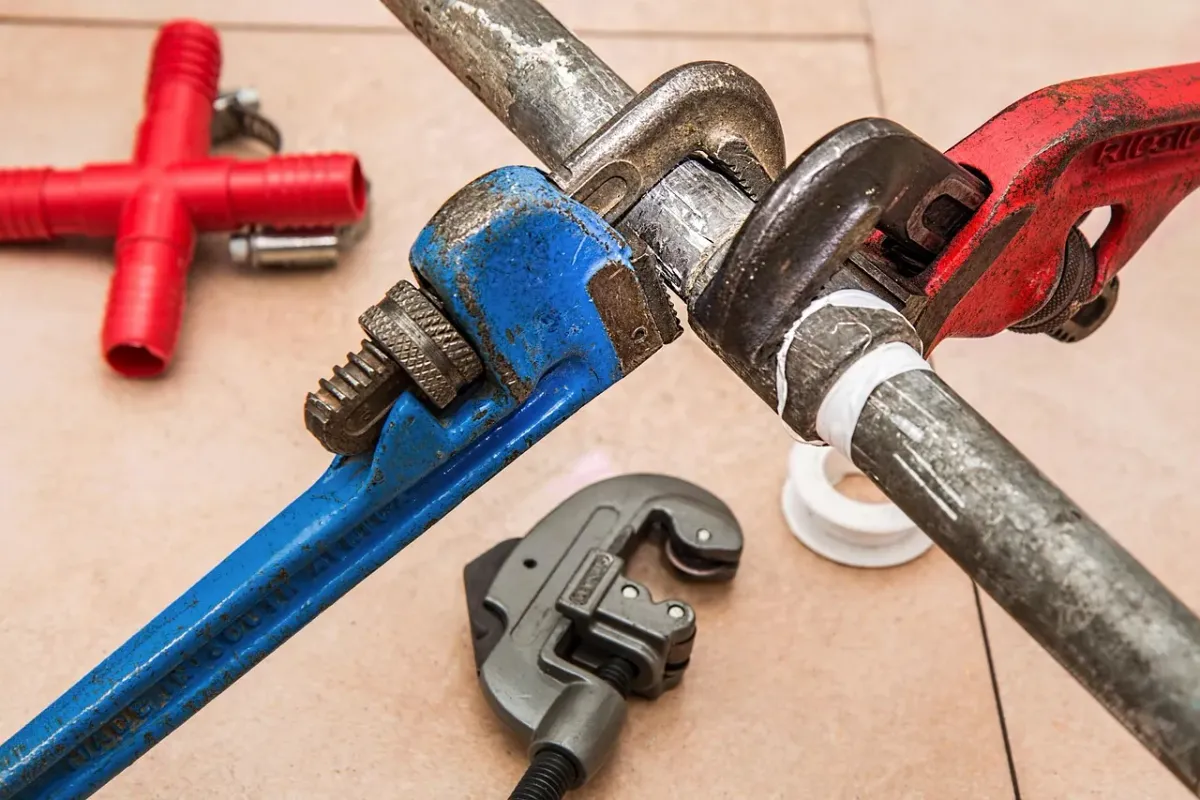
Ahead of severe typhoon landfalls in Taiwan, public attention focuses heavily on torrential rains and flooding, yet sudden drops in central atmospheric pressure of 30 to 60 hectopascals (hPa) within hours represent a hidden driver of joint leaks, trap siphonage, and sewer backdrafts in homes over 20 years old; drastic atmospheric pressure drops disrupt equilibrium across aging plumbing networks, triggering micro-fissures in aged PVC joints and vent backdrafts. This guide analyzes fluid mechanical stresses imposed by barometric swings on domestic plumbing and outlines 5 critical pre-typhoon inspections to safeguard Taipei and New Taipei homes.
Looking for the Chinese version of this article?切換至繁體中文版 →
Typhoon Plumbing Defense: Pressure Drops & Pipe Inspections
This article is compiled from publicly available online sources for general reference only; readers should independently verify and judge its accuracy, and it is not legal, tax, medical or engineering advice. Rules, fees and subsidies change; check the latest notice from the responsible authority before acting. For electrical, gas, structural or health risks, consult a qualified professional.
This is the English edition of a Chinese article, adapted with AI assistance and checked against the original. Where the two differ, the Chinese version and the official sources it cites prevail.
The Physics of Pressure Drops: Why Older Pipes Fail During Typhoons
Typhoons are intense tropical low-pressure systems whose central barometric pressure plunges rapidly from standard 1013 hPa to beneath 950 hPa as the vortex approaches land. This steep atmospheric pressure gradient exerts pronounced fluid mechanical stresses on building piping assemblies:
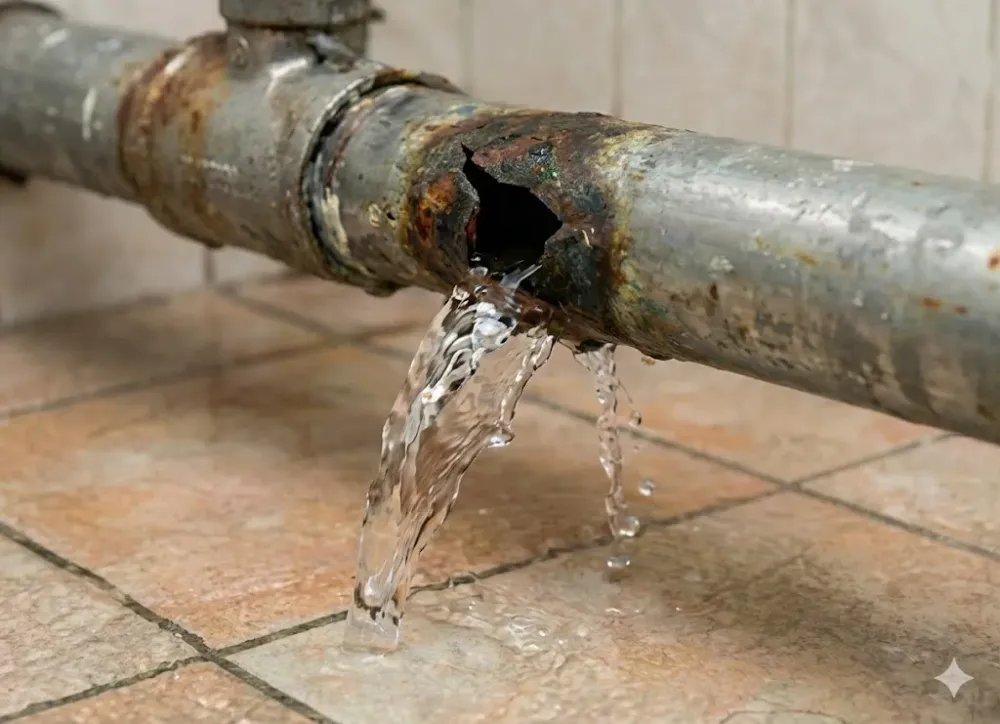
- Differential pressure driving micro-fissure leakage: Domestic water supply pipes concealed within masonry walls or floor slabs maintain static internal pressures of 1.5 to 3.0 kgf/cm²; when external atmospheric pressure drops abruptly, the expanded differential across pipe walls induces weeping leaks at aged, brittle PVC solvent-welded joints or Teflon tape seals.
- Vent pipe negative pressure siphoning water traps: High-velocity gale winds sweeping across building rooftops generate intense Bernoulli suction across open roof vent pipes, siphoning water seals from sink, floor drain, and toilet traps, allowing sewer gases and wastewater to surge backward into living quarters.
- Compounded structural fatigue in homes over 20 years old: Early-generation cast-iron stacks thinned by oxidation and PVC pipes compromised by plasticizer loss exhibit sharply degraded mechanical tolerances under oscillating atmospheric pressure differentials.
To monitor typhoon trajectories and barometric trends, utilize our Taiwan Typhoon Tracker for real-time telemetry.
5 Essential Pre-Typhoon Home Plumbing Inspection Points
Following Central Weather Administration sea and land typhoon warnings, residents should complete systematic plumbing audits during the window before gale-force storm radii make landfall:
| Inspection Focal Point | Verification Method & Physical Symptoms | Secondary Failure Risk | Emergency Remediation Action |
|---|---|---|---|
| Rooftop water tank ball valve & pump | Verify inlet shutoff seating, listen for pump mechanical grinding | Continuous tank overflow or dry-run motor burnout | Isolate supply cock manually, lash tank lid securely |
| Exposed piping & hanger brackets | Shake water heater lines, AC drain pipes, and riser brackets | Gale-induced pipe flutter shearing elbow connections | Fasten stainless steel pipe clips, reinforce with anti-vibration straps |
| Balcony & rooftop floor drains | Clear grates of leaf mulch and debris, verify strainer seating | Ponding water breaching sliding doors into bedrooms | Upgrade to dome strainers, ready manual drain augers |
| Water heater forced-draft flue ducts | Inspect stainless flue joint seal integrity and wind hood | Gale backdrafts causing CO accumulation or flameout | Reseal joints with heat-resistant foil tape, ensure exhaust clear |
| Sanitary traps & floor drain seals | Pour 1 liter of clean water down unused floor drains and guest baths | Trap siphonage allowing sewer odor and insect ingress | Replenish trap water depths, apply silicone odor sealing caps |
Executing these five checks requires merely 30 minutes, yet mitigates over 80% of typhoon-related internal water damage and plumbing failures. If aging pipes already display seepage, consult our drainage backflow and check valve installation guide for permanent hardening.
Pressure Fluctuations and Drainage Backflow Prevention Strategies
Beyond pressurized supply lines, gravity drainage networks suffer intense compounding stresses under combined barometric drops and street flooding. When street storm culverts run full, trapped sewer air is compressed by incoming storm volumes, surging violently backward up ground-floor lateral connections to cause gurgling drains or foul wastewater geysers:
- Rooftop vent stack clearing: Inspect roof vent terminals to ensure bug screens are free of bird nests, dead leaves, or windblown trash; clear vent stacks equalize stack pressures during pressure drops, preserving fixture water traps.
- Mechanical check valve retrofits: Installing spring-loaded or swing-type stainless steel check valves along ground-floor lateral lines enforces single-direction outflow; when street sewer backdrafts surge under combined hydrostatic and pneumatic head, the valve seals shut to stop interior flooding.
- Emergency sandbag and water bag ballast: Where permanent check valves are absent, nest heavy-duty plastic bags filled with 10 to 15 liters of water atop bathroom floor drains and closed toilet lids, utilizing gravitational ballast to counteract sewer pneumatic surges.
During peak typhoon rainstorms, monitoring localized inundation is vital for family safety; consult our Taiwan Real-Time Inundation Dashboard for rainfall and sensor updates.
Leveraging Real-Time Weather Tools for Preemptive Risk Management
Under climate change extremes, home defense requires empirical data rather than casual guesswork. Monitor CWA mobile applications for forecast central barometric readings; when station pressures fall below 980 hPa accompanied by hourly rainfall forecasts exceeding 40 mm, domestic piping operates near maximum pneumatic and hydraulic limits. Homeowners should suspend large washing machine cycles to avoid overloading municipal sewers, while staging 3 days of potable and utility water in advance, while auditing community pressure-reducing valves to maintain domestic water stability after storm passage.
Frequently Asked Questions
Why do toilet bowls bubble and make gurgling noises during typhoons?
This occurs because municipal sewer mains become overwhelmed with storm runoff, compressing subterranean sewer air masses that surge up ground-floor waste pipes to violently break through toilet trap water seals; roof vent obstructions exacerbate this backdraft phenomenon by trapping stack pressures.
Can sudden barometric drops genuinely burst home water pipes?
The atmospheric pressure differential of 0.05 to 0.1 kgf/cm² does not rupture intact piping; however, across aging pipes with embrittled PVC solvent joints or corroded threads, this sudden pressure differential breaks marginal mechanical equilibrium, acting as the trigger for joint blowouts.
Should rooftop booster pumps be turned off manually during typhoons?
If water treatment plants suspend municipal supply due to raw water turbidity spikes, pumps lacking dry-run cutoffs run continuously without water, causing shaft seals to melt and motor windings to overheat within hours; immediately switch off booster breakers upon receiving low-pressure municipal notices.
Data Sources
- Central Weather Administration: Typhoon Tracking and Barometric Observation Database (Verified 2026-11-07): Severe storm central pressure records, storm surges, and weather alert criteria
- Water Resources Agency, MOEA: Inundation Potential and Flood Defense Standard Operating Procedures (Verified 2026-11-07): Urban storm sewer hydraulic design criteria and backflow prevention standards
- Ministry of Environment: Building Plumbing Drainage and Wastewater Facilities Maintenance Standards (Verified 2026-11-07): Vent piping dimensional rules and fixture trap seal depth requirements
Related reading: PEX Pipes vs Stainless Steel in Taiwan Plumbing Systems · Home Inspection Cosmetic Cover-Ups and False Pressure Traps