Why Brand New Bathroom Hardware Tarnishes Black
In newly remodeled apartments across Taipei, premium chrome faucets, cabinet hinges, and range hood surfaces sometimes tarnish with black spots within months. Worse, air conditioners fail to cool because evaporator copper coils develop microscopic pinhole leaks. The root culprit is sewer biogas—specifically hydrogen sulfide (H₂S)—backing up through unsealed drain lines.
Health Hazards and Ant-Nest Copper Corrosion
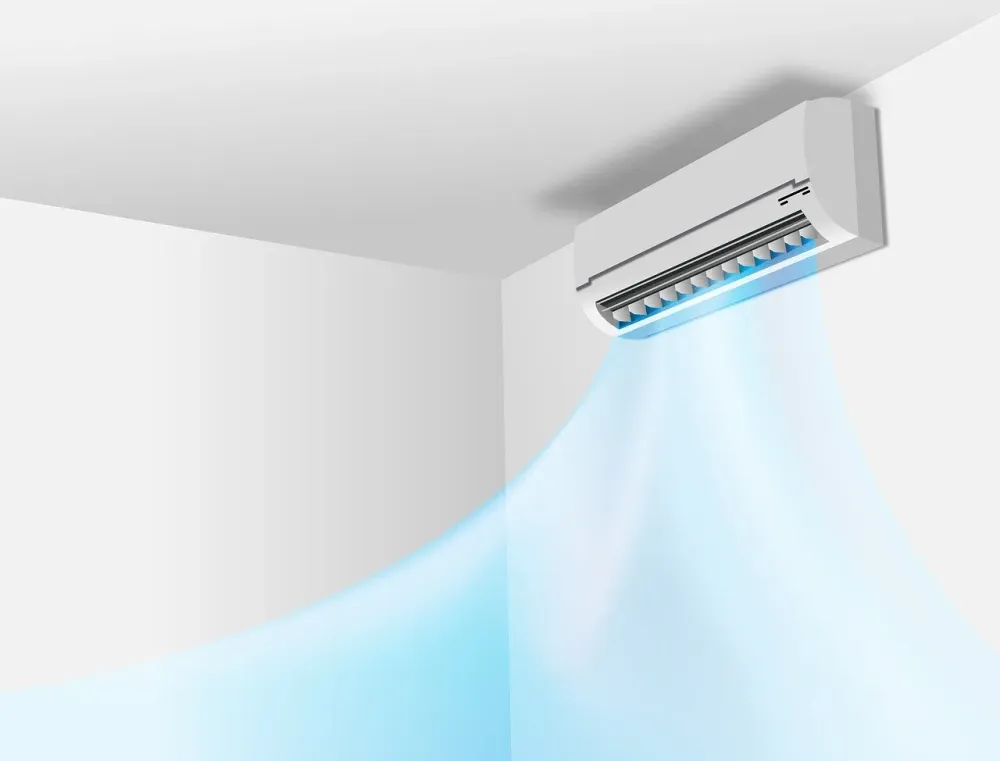
In public sewer networks, anaerobic decomposition of organic grease produces toxic hydrogen sulfide. Beyond causing eye and airway irritation, H₂S triggers rapid 'ant-nest corrosion' (formicary corrosion) on moist copper coils. Microscopic tunnels eat through coil walls, discharging expensive refrigerant and ruining indoor AC units.
Building Code Water Seals and Trap Failure Causes
Article 29 of Taiwan's Building Technical Regulations requires water traps on all plumbing fixtures with an effective seal depth between 50 mm and 100 mm. Traps fail through three main mechanisms: 1) Natural evaporation in unused guest bathrooms over 7 to 14 days; 2) Siphonage induced by stack negative pressure when neighboring toilets flush; 3) Unsealed gaps where flexible corrugated sink hoses enter PVC stub-outs inside vanity cabinets.
Upgraded Defense: Magnetic Dry Traps and Common Traps
Effective biogas mitigation employs two modern upgrades: First, floor drains fitted with magnetic gravity flappers or silicone self-closing valves that remain tightly sealed when dry. Second, European-style 'Common Traps' (centralized floor drains) where sink, shower, and tub drains feed into a single high-capacity trap under the floor. Daily handwashing continuously refreshes the water seal, while accessible catch basins capture hair and debris at floor level.
Installation and Inspection Checklist
Ensure AC condensate lines never tap directly into sanitary waste stacks without dedicated deep P-traps. Seal all vanity drain penetrations with stepped silicone gaskets, and pour 500 c.c. of water weekly into rarely used floor drains to keep water seals intact.