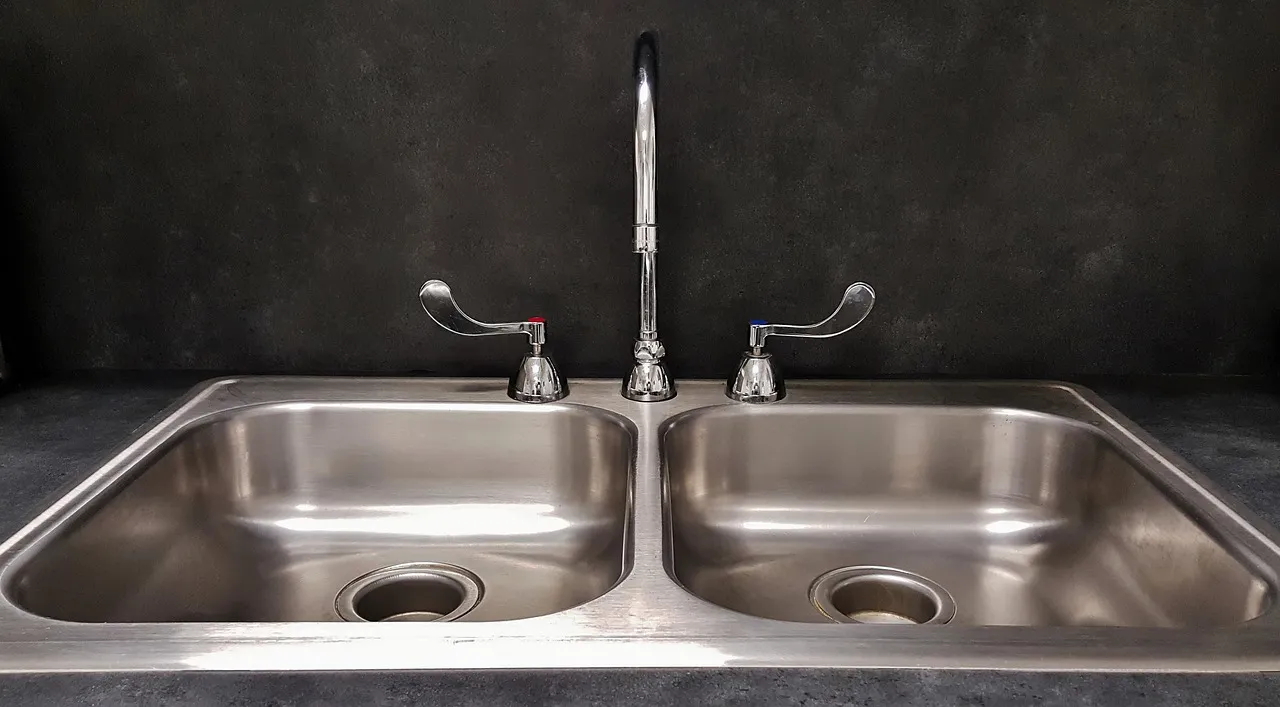
Clogged kitchen drains are a common home problem, often causing problems such as poor drainage and odor. What should you do if your kitchen drain pipe is clogged? Here are a few quick solutions to help you deal with your drainage problems.
1. Common causes of blockage
There are many reasons for blockage of kitchen drain pipes, the most common ones are the following:
- Oil accumulation: There is often residual oil in kitchen drain pipes, which will accumulate over time, causing blockage.
- Food residue: If food waste is not disposed of properly, food residue will fall into the drain pipe and cause blockage.
- Foreign objects falling in: For example, foreign objects such as kitchen knives and chopsticks falling into the drain pipe may also cause blockage.
2. Quick solution
If the clogged kitchen drain pipe is not serious, you can try the following methods to solve it yourself:
- Use hot water to rinse: Hot water can help dissolve oil stains and clear the drain pipe. You can try to clear the clog by pouring hot water down the drain and waiting about 10 minutes before flushing.
- Use baking soda and vinegar: Baking soda and vinegar create a chemical reaction that creates bubbles that help unclog your drains. Try to unclog the clog by pouring half a cup of baking soda into the drain, followed by half a cup of vinegar and waiting about 15 minutes before flushing.
- Use Tronax: Tronax is a chemical that dissolves blockages. When using, please wear gloves and a mask and follow the instructions.
- Professional unclogging: If none of the above methods can solve the blockage problem, you need to ask professional unclogging personnel to deal with it. Professional uncloggers have the tools and experience to unclog drains quickly and effectively.
3. Preventive measures
To avoid clogging of kitchen drains, you can take the following preventive measures:
- Dispose of food waste properly: Pour food waste into the trash can, not directly into the drain pipe.
- Clean drain pipes regularly: Use hot water or Tonic to clean drain pipes every once in a while to prevent blockage.
- Install a filter: Installing a filter at the drain outlet can prevent foreign objects such as food residues from falling into the drain pipe.
4. Please pay special attention to:
- When using hot water or chemicals to clear drain pipes, please pay attention to safety to avoid burns or poisoning.
- If the drain pipe is seriously blocked, do not deal with it yourself to avoid causing greater damage.
🇹🇼 Expat Living Note: Home Repairs in Taiwan
If you are an international resident renting an apartment in Taipei, New Taipei, or anywhere in Taiwan:
- Voltage & Electrical Safety: Taiwan standard household voltage is 110V (60Hz). Do not plug 220V imported European/UK appliances directly without a certified step-up transformer.
- Plumbing Terminology: Local plumbers are called 水電 (Shuǐdiàn) and handle both water and electrical repairs.
- Landlord Obligations: Under Article 429 of Taiwan Civil Code, landlords are legally responsible for repairing natural wear and tear (such as hidden wall pipe leaks, water heater faults, or booster pump failures) unless explicitly waived in your lease.
Legal Disclaimer
The information provided on this website is for general educational and reference purposes only. For hazardous repairs involving live 220V electrical circuits, main gas lines, or structural wall drilling, always consult certified, licensed technicians. SOSfix disclaims any liability for personal injury or property damage resulting from DIY repair attempts.

![[The water pipe in the kitchen of the medieval house is clogged] The drain hole regularly bubbles and vomits, and the grease becomes cement and gets stuck? Analysis of blind spots for high-pressure water jet cleaning water pipes (high-pressure flushing) and cleaning ports (Cleanout)](/images/plumbing-840835_1280.webp)