Air conditioning has now become an indispensable daily equipment for families, and it can be used in summer or winter.
However, if the air conditioner is not properly maintained and cleaned, not only will the efficiency of the equipment decrease, but it will even affect the health of family members. It is very important to know how to properly maintain your home air conditioner. Let’s take a look at how to maintain household air conditioners!
1. Clean the air conditioner regularly
Regular cleaning is the first step in maintaining the air conditioner. Clean the surface of the air conditioner with a damp cloth every month, and use a vacuum cleaner to remove dust and debris around the machine. If your air conditioner has a removable filter, it should be cleaned once a month. This prevents dust accumulation and ensures smooth air circulation.
2. Replace the filter regularly
The filter is an important component that prevents dust and other pollutants from entering the inside of the air conditioner. Depending on the frequency of use, the filter should be cleaned or replaced with a new one every month. Replacing the filter regularly ensures that the performance of your air conditioner is not affected while providing cleaner air.
3. Regularly check the condenser and evaporator
The condenser and evaporator are important heat dissipation components inside the air conditioner, but they are also susceptible to dust and dirt. Regular inspection of these parts and cleaning them will ensure the proper functioning of the air conditioner.
4. Use regular professional maintenance
Have professional technicians inspect the air conditioner at least once a year and perform necessary maintenance and cleaning. This ensures that the air conditioner is in optimal condition and reduces the chance of failure.
5. Pay attention to energy-saving use
In addition to regular maintenance, you should also pay attention to energy-saving use of air conditioners. When using an air conditioner, the room should be kept airtight to avoid wasting energy from the air conditioner. At the same time, choosing the right temperature and wind speed can also save energy.
🇹🇼 Expat Living Note: Home Repairs in Taiwan
If you are an international resident renting an apartment in Taipei, New Taipei, or anywhere in Taiwan:
- Voltage & Electrical Safety: Taiwan standard household voltage is 110V (60Hz). Do not plug 220V imported European/UK appliances directly without a certified step-up transformer.
- Plumbing Terminology: Local plumbers are called 水電 (Shuǐdiàn) and handle both water and electrical repairs.
- Landlord Obligations: Under Article 429 of Taiwan Civil Code, landlords are legally responsible for repairing natural wear and tear (such as hidden wall pipe leaks, water heater faults, or booster pump failures) unless explicitly waived in your lease.
Legal Disclaimer
The information provided on this website is for general educational and reference purposes only. For hazardous repairs involving live 220V electrical circuits, main gas lines, or structural wall drilling, always consult certified, licensed technicians. SOSfix disclaims any liability for personal injury or property damage resulting from DIY repair attempts.

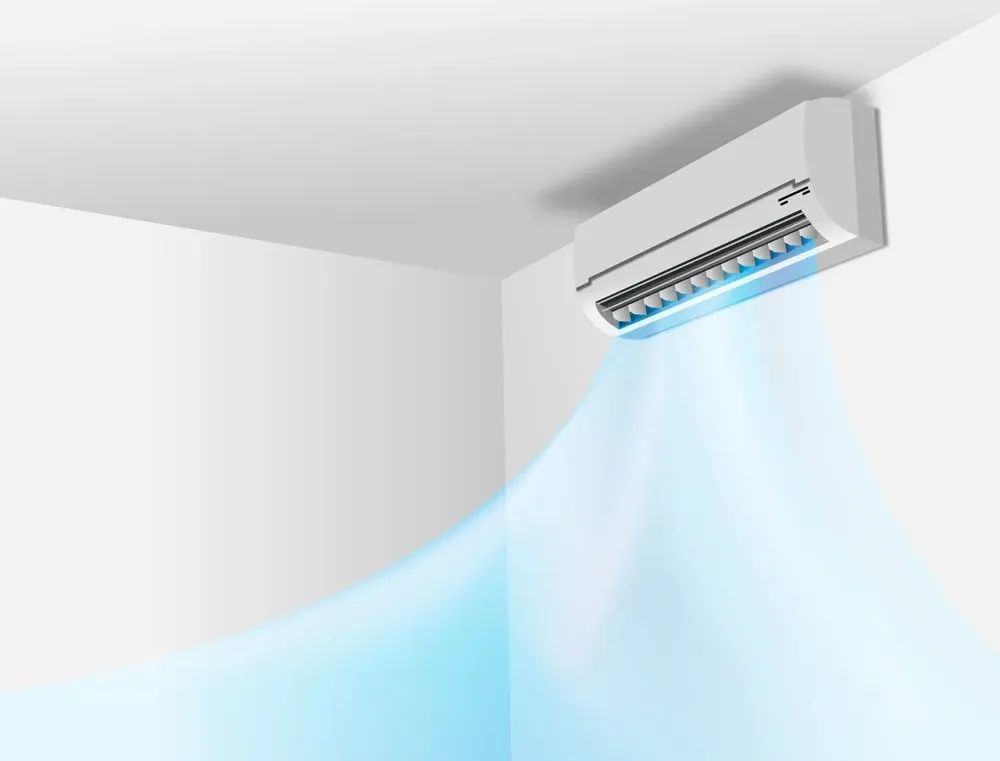
![[Air Conditioner Cleaning and Anti-Pit] Is the spray air conditioner cleaner a deodorizer or a fin killer? Why do you need a professional dry cleaning once a year?](/images/home-963347_1280.webp)