Because rooftop additions sit completely exposed as the outermost building envelope, roof surface temperatures easily exceed 65 degrees Celsius during summer heatwaves creating sweltering thermal ovens, while severe winter cold snaps crack freeze-brittle plumbing lines and typhoon debris clogs roof scuppers causing interior flooding. Maintaining a safe and livable rooftop habitat amidst extreme climate shifts demands an integrated defense strategy combining high-albedo solar reflective cool roof coatings, thermal insulation wrap on exposed water piping, and elevated stainless steel dome leaf strainers over stormwater scuppers.
Looking for the Chinese version of this article?切換至繁體中文版 →
Rooftop Addition Insulation, Pipe Protection and Drainage
This article is compiled from publicly available online sources for general reference only; readers should independently verify and judge its accuracy, and it is not legal, tax, medical or engineering advice. Rules, fees and subsidies change; check the latest notice from the responsible authority before acting. For electrical, gas, structural or health risks, consult a qualified professional.
This is the English edition of a Chinese article, adapted with AI assistance and checked against the original. Where the two differ, the Chinese version and the official sources it cites prevail.
Solar Heat Gain Reduction and High-Albedo Reflective Coatings Field Data
Under intense subtropical midday sun, solar irradiance spanning wavelengths from 250 nanometers (nm) to 2500 nanometers strikes rooftop surfaces relentlessly. Dark corrugated metal sheets or weathered gray polyurethane waterproofing exhibit solar reflectance values of merely 15% to 20%, absorbing substantial radiant energy that drives exterior and underside substrate temperatures up to 60 to 68 degrees Celsius. Operating indoor split-system air conditioning at its maximum 18-degree setpoint fails to overcome relentless downward radiant heat influx.
The definitive remediation involves applying elastomeric cool roof coatings engineered with hollow ceramic microspheres or titanium dioxide (TiO2). Certified laboratory tests establish solar reflectance exceeding 85% and thermal emittance above 0.90. On clear 35-degree summer days, coated metal roof surface temperatures plummet from 65 degrees down to 42 to 45 degrees Celsius—a drop exceeding 20 degrees—while indoor ambient ceiling temperatures decline by 3 to 5 degrees, cutting cooling power consumption by 25% to 30% per cycle.
Prior to coating application, metal decks must undergo 3000-PSI pressure washing to strip moss, oils, and chalked binders. Corroded seams require mechanical wire brush descaling to St2 cleanliness, followed by an epoxy anti-rust primer to passivate steel oxidation; subsequent steps require rolling an acrylic bonding agent and two cross-hatched coats of high-albedo elastomeric finish to a dry film thickness of 0.5 millimeters, guaranteeing 5 years of UV chalking resistance.
To further reinforce interior thermal performance, install 50-millimeter flame-retardant rockwool or fiberglass insulation batts beneath ceiling paneling. Maintaining a 30-millimeter ventilated air gap between framing and exterior metal sheets allows heated ceiling air to vent naturally through cross-louvered vents, decoupling thermal bridges and ending chronic summer cooling failures.
Winter Freeze Protection and Domestic Water Heater Cold Mitigation
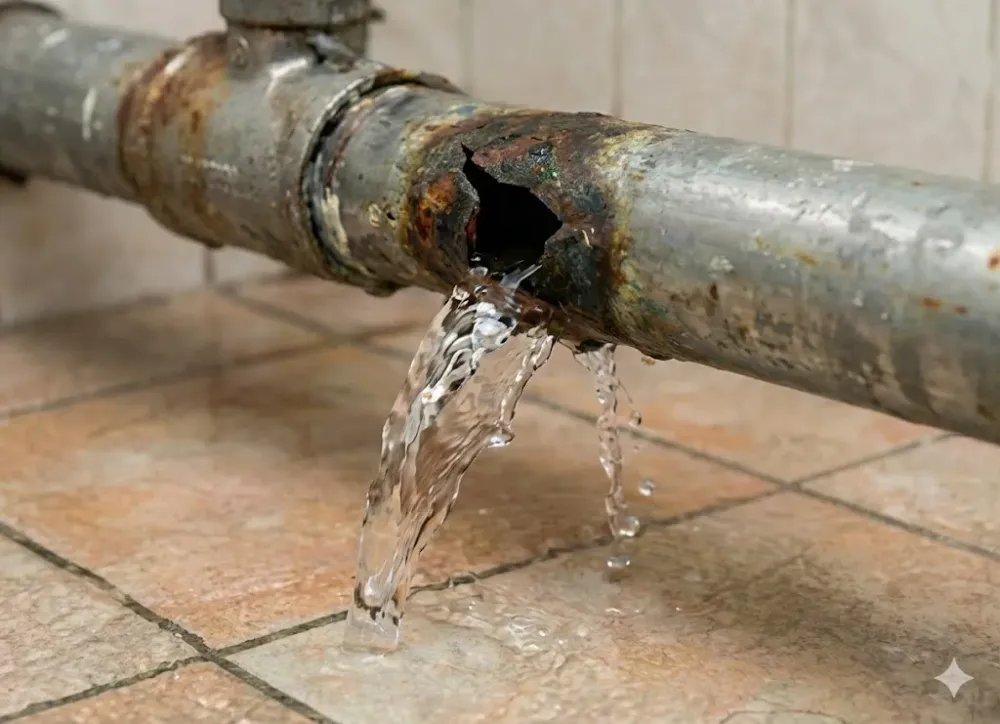
Rooftop addition water piping typically runs exposed along parapets or lightweight sheet metal siding. When polar continental air masses invade Taiwan, urban nighttime temperatures drop below 10 degrees Celsius, occasionally reaching 3 to 5 degrees in wind-exposed valleys. Low temperatures embrittle non-crosslinked PVC polymer chains; as water approaches freezing, its volume expands roughly 9%, generating catastrophic internal bursting pressures that fracture elbow fittings.
Protecting outdoor water pipes requires pre-formed closed-cell elastomeric nitrile rubber (NBR) or crosslinked polyethylene (PE) insulation tubes with wall thicknesses no less than 15 millimeters. Longitudinal and butt seams must be bonded using adhesive and wrapped with 50% overlap using heavy-duty reinforced aluminum foil tape to block UV degradation and acid rain erosion. Exposed angle stop valves and flexible water heater connectors also require preformed insulation boots.
For outdoor forced-draft gas water heaters, trapped water in finned copper heat exchangers freezes and ruptures rapidly. Residents should maintain a slight faucet drip (roughly 200 milliliters per minute) on freezing nights to keep water moving continuously; during extended absences, turn off the main water valve and open the water heater drain plug to evacuate all residual water from the copper manifold.
Typhoon Storm Drain Protection with Stainless Dome Strainers and Slope Grading
Rooftop addition perimeter box gutters and terrace drains represent the most vulnerable failure point during typhoons. Traditional flat drain grates measure merely 50 millimeters in diameter flush with the deck; wind-blown leaves, trash, and silt choke flat strainers within 10 minutes, generating extensive ponding. Once ponded water exceeds sheet metal base flashing heights, storm surge pours directly through fastener holes and wall joints into the living quarters.
Roof scuppers must be upgraded to 3-inch or 4-inch heavy-duty SUS 304 stainless steel dome strainers. Their elevated cylindrical profiles stand 100 millimeters to 150 millimeters above the deck plane, maintaining clear drainage orifices through their upper perimeter even if 5 centimeters of leaf litter packs around the base, ensuring continuous discharge rates over 150 liters per minute. Decks must maintain continuous positive drainage falls of at least 1% (1:100) toward scuppers, eliminating standing water pools that foster mosquitoes and delaminate waterproofing coats.
Rooftop Structure Extreme Weather Protection Matrix
| Protection Subsystem | Recommended Material Specification | Key Installation Requirement | Target Protection Outcome | Inspection and Maintenance Frequency |
|---|---|---|---|---|
| Solar Reflective Roof Coat | Hollow ceramic microsphere acrylic coat | Power wash descaling, 1 primer plus 2 topcoats | Drops metal deck by 20 deg, room by 3 deg | Inspect coating integrity annually before summer |
| Outdoor Pipe Freeze Wrap | 15 mm closed-cell rubber tube with foil tape | Seamless seal with 50% foil tape overlap | Prevents brittle pipe ruptures and thermal loss | Quarterly inspection of outer foil tape wrap |
| Typhoon Debris Scupper Guard | 3-inch SUS 304 stainless dome strainer | Anchored mechanically over drain opening | Sustains full discharge despite leaf blockage | Clean out 24 hours prior to typhoon landfall |
| Metal Deck Joint Sealant | Modified silicone (MS Polymer) joint sealant | Rake out aged caulk and apply bonding primer | Resists driving rain under wind pressure loads | Inspect elasticity and adhesion every 2 years |
To evaluate rooftop cooling thermal loads and choose optimal air conditioner capacity, use our Air Conditioner Tonnage and Cooling Capacity Calculator, and examine our diagnostic guides on Indoor Wall Leakage Detection Practice and Exposed Pipe Freeze Insulation Methods.
Frequently Asked Questions
Does installing rooftop solar panels also resolve summer heat problems?
The thermal shading effect is dramatic. Solar photovoltaic arrays shade over 90% of direct solar radiation while sustaining a 30-centimeter ventilation air gap above the roof deck, outperforming any coating while generating clean renewable electricity.
How long does cool roof paint last and must it be reapplied every year?
Premium UV-resistant elastomeric coatings applied in a standard 3-coat system last between 3 and 5 years. Annual repainting is unnecessary, though rinsing off surface airborne dust with a garden hose every 6 to 12 months restores optimal reflectivity.
Can insulation jackets also prevent outdoor water pipes from overheating in summer?
Yes. Closed-cell insulation functions as a bidirectional thermal barrier: it prevents pipe freezing in winter while blocking scorching summer sun from heating pipes into scald hazards above 45 degrees Celsius.
References and Sources
Technical codes and climatic observation datasets referenced from public agencies:
- National Land Management Agency: Building Energy Efficiency and Roof Insulation Standards
- Central Weather Administration: Taiwan Extreme Climatic Observations and Precipitation Data
Disclaimer: This technical analysis is synthesized from public engineering publications and statutory standards. Site conditions vary by architectural design and building age; readers should exercise due diligence and consult certified master technicians for actual execution.
Related reading: Rooftop Addition Heat Insulation & PU Waterproofing Guide · Top Floor West Facing Heat Insulation and Shading Guide