
Wall efflorescence happens when water inside the wall carries salts to the surface. Covering it with wall stickers only traps the moisture, so the affected area grows and turns moldy. If you find it in a rental, photograph it and notify the landlord to repair it, and limit yourself to dehumidifying and ventilating, which do not change the wall. Bubbling paint, powder falling off and white crystals usually mean water is still getting in, and a nice-looking surface does not fix the source. This article is for tenants tempted to hide the damage with a sticker. It explains what happens if you do, what you can do in the meantime, and how to ask the landlord to deal with it. For the causes and permanent repair methods, see wall efflorescence repair methods and myths. For mold cleaning, see wall mold removal and prevention.
Covering Rental Wall Efflorescence: Risks and Repairs
This article is compiled from publicly available online sources for general reference only; readers should independently verify and judge its accuracy, and it is not legal, tax, medical or engineering advice. Rules, fees and subsidies change; check the latest notice from the responsible authority before acting. For electrical, gas, structural or health risks, consult a qualified professional.
This is the English edition of a Chinese article, adapted with AI assistance and checked against the original. Where the two differ, the Chinese version and the official sources it cites prevail.
What wall efflorescence is and why covering it makes it worse
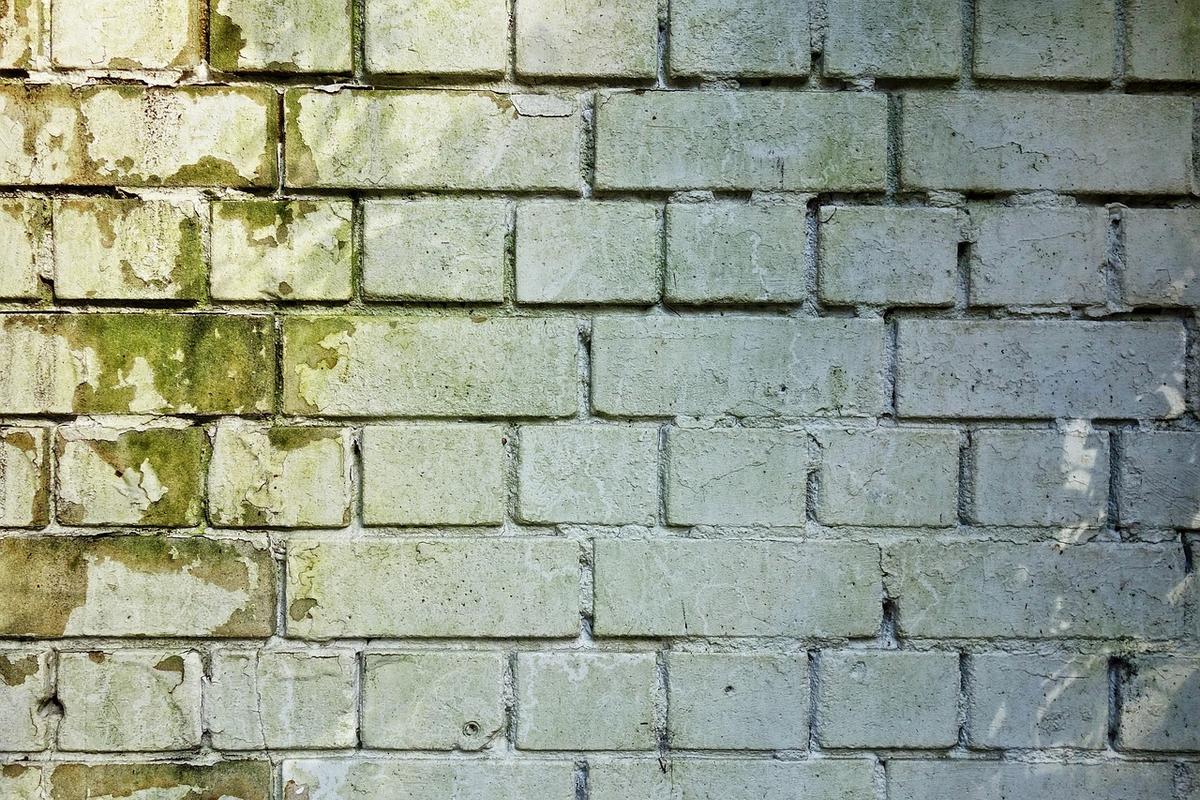
"Wall efflorescence" is a common name for several symptoms: paint or wallpaper bubbling, powdery flaking, white powdery crystals on the wall, and black mold. As water passes through the wall, it carries salts from the brick and cement mortar to the surface. When the water evaporates, the salt stays behind as white powder. As long as the water source inside the wall is still there, a surface fix usually comes back within a few months.
Once you stick on an airtight material, the moisture cannot escape and is trapped between the material and the wall. Common results are sticker edges lifting, the adhesive failing, black spots growing behind it, and paint or wallpaper peeling off together with the sticker when you remove it. Once it is covered you also cannot see any change, so you may miss the right time to tell the landlord. A larger area costs more to repair, and at move-out it is harder to show who caused it.
Three common directions of the water source (exterior wall, next to a bathroom, upstairs)
- Exterior wall: It gets worse after rain and mostly appears on exterior wall surfaces, window corners and balcony corners. It may be related to cracks in the exterior wall or water seeping around the window frame.
- Next to a bathroom: The other side of the wall is a bathroom or kitchen. When pipes or the waterproofing layer deteriorate, water seeps out along the wall, and when it gets worse often depends on how water is used.
- Upstairs: Water marks appear first near the ceiling or top of the wall and then spread downward. Leaking pipes or a leaking floor in the unit above are both possible.
The three directions call for different handling. Leaks from upstairs may also involve other residents or the building management committee, so you can first use the leak liability checker to clarify the direction. You do not need to determine the source yourself. Recording whether it gets worse "after rain" or "after showering" helps the landlord or the technician narrow it down.
Problems with stickers, damp-proof film and foam wall panels
| Covering material | Why tenants want it | Possible consequences | Recommendation |
|---|---|---|---|
| Ordinary wall stickers | Cheap and a quick way to hide the damage | Moisture is trapped between the adhesive and the wall, edges lift, mold grows behind, and removal takes the paint off with it | Not recommended |
| Damp-proof wall film (foil or plastic surface) | The name says damp-proof, so it feels protective | It is airtight and does not stop the water source inside the wall; moisture may move to areas that are not covered | Not recommended |
| Foam wall panels | Thick, so they hide the damage well | Foam stays damp for a long time once it absorbs water, so it easily grows mold and smells; the large adhesive area makes removal more likely to damage the wall | Not recommended |
| Putting up wallpaper directly | Change the look of a whole wall | It traps moisture in the same way, and most leases do not allow changing the wall surface | Not recommended |
The honest answer to "does damp-proof wall film work" is that at most it is decoration and cannot deal with the water inside the wall. Also, if removing it damages the paint, that may be treated as damage caused by your use (see the responsibility table below). For bubbling wallpaper and seam problems themselves, see repairing wallpaper bubbles and seams.
Temporary steps a tenant can take
The principle is not to change the wall: no chiseling, no repainting. There are only two goals, which are to slow the damage and to keep the current condition intact for the landlord to assess.
Dehumidify and ventilate
Open the windows often, run the bathroom exhaust fan after use, do not hang wet laundry beside the affected wall, and use a dehumidifier when needed to lower indoor humidity. These steps can slow mold growth but cannot deal with the water source inside the wall, so do not expect the efflorescence to disappear because of them.
Move furniture away from the wall
Leave a small gap behind wardrobes, beds and cardboard boxes so air can circulate, which also makes it easier for you to take photos and check every week. Move clothes and paper items away from the wall first, because these absorb moisture and mold most easily.
Cleaning up fallen powder and treating mold
- Take photos as evidence first, then clean. Wear a mask and gloves, and use a damp cloth or a vacuum cleaner for the powder, avoiding dry sweeping that raises dust.
- For a small amount of surface black mold, you can wipe it with a cleaner diluted according to its label. Do not mix different types of cleaner.
- Do not scrape off the affected spot and then fill and repaint it yourself. This changes the current condition and can make responsibility harder to sort out later.
- If the area is large, the smell is strong, or someone at home has asthma or allergies, ask the landlord to deal with it as soon as possible and avoid sleeping next to that wall for now.
Asking the landlord to repair: how to notify, deadlines and evidence
Article 429 of the Civil Code provides that repairs to the leased property are borne by the lessor unless the contract or custom provides otherwise. Article 437 also requires the lessee to notify the lessor promptly when the leased property needs repair. So notifying the landlord is not just courtesy but also the tenant's obligation. It is best to use a method that leaves a record, such as LINE, a text message or email, and the message can include these points:
- Date found and location: which wall, height above the floor, and roughly how large the area is.
- Symptoms: bubbling, powder, white crystals, mold or a damp smell, and whether it gets worse after rain or water use.
- Attach dated photos or video, and place a ruler or an everyday object next to the damage to show the size.
- A clear request: ask the landlord to send someone to inspect and repair it, and to reply with an expected time.
- Set a reasonable reply deadline, for example asking for a reply within 7 days.
- State what you have already done: dehumidifying, ventilating and moving furniture away from the wall, and that you will not alter the wall.
If something was discussed verbally, follow up with a text message to confirm it. If necessary, consider sending a certified letter (a formal letter with proof of delivery). For the repair clause and reporting method in your contract, follow the lease you signed. For a fuller breakdown of repair responsibilities and where self-help stops, see rental repair responsibility and self-help.
Present at move-in versus appearing after move-in
For efflorescence that was already there at move-in, the strongest evidence is your move-in inspection photos and condition record. For how to do this, see rental move-in inspection and photo evidence. If it appeared after move-in, first look at whether the cause is leakage from the building or the way the unit was used.
| Situation | Common assessment | What the tenant should do |
|---|---|---|
| Already there before move-in (provable with inspection photos or a condition record) | It is a condition of the building, and repair is usually borne by the lessor | Send a notice and keep the move-in photos |
| Appeared after move-in, and the source is leakage from an exterior wall, the unit above or pipes | The cause is the building itself, which is usually still within the lessor's repair scope | Notify as soon as possible and record when it gets worse |
| Appeared after move-in and is related to use (such as long periods without ventilation, drying lots of laundry indoors, or changing pipes or chiseling the wall yourself) | It may be considered caused by use, and the tenant bears more responsibility | Stop whatever is causing it and explain honestly |
| Wall damaged after putting up stickers or repainting | It is damage caused by changing the wall yourself | Do not put stickers up; if you already have, take photos first and explain to the landlord |
| The cause cannot be determined | An inspection is needed to decide | Keep the evidence and ask the landlord or a technician to inspect |
Where the contract provides otherwise, the contract prevails. A tenant has always had the duty to care for the leased property with the diligence of a prudent manager (Civil Code Article 432), so negligence in use can still be held against you.
If the landlord does not repair: self-repair with rent deduction, mediation and ending the lease
The key point of Article 430 of the Civil Code is this: while the lease is in effect, if the leased property needs repair that the lessor should bear, the lessee may set a reasonable period and demand that the lessor repair it. If the lessor does not repair within that period, the lessee may terminate the contract, or repair it themselves and claim reimbursement of the cost, or deduct it from the rent. Under the provision, taking this route usually requires meeting the following conditions:
- It is a repair the lessor should bear: the contract does not assign it to the tenant.
- Demand first and set a reasonable period: leave a written record, and the period must be reasonable.
- The period has expired and it is still not repaired: only then can you go on to self-repair or termination.
- Self-repair costs need documents: keep quotations, receipts and photos of the work, and tell the landlord the amount and details in writing before deducting from the rent, so it is not treated as unpaid rent. This means hiring a professional to deal with the leak or the wall, not putting up wall stickers yourself.
Rent reduction or termination: Article 435 of the Civil Code provides that if part of the leased property is lost for a reason not attributable to the lessee, the lessee may ask for a rent reduction in proportion to the part lost, and may terminate the contract if the remaining part cannot serve the purpose of the lease. Whether efflorescence counts as "partial loss" or affects the purpose of living there depends on the area, location and how the unit is used, and it is not automatic.
Mediation: If the two sides cannot agree, you can apply to the township, town, city or district mediation committee where the property is located, under the Township and City Mediation Act. Once mediation succeeds and is approved by the court, its effect follows the Act, so you do not have to go to litigation at the start.
Ending the lease: Before terminating, check the early termination and deposit clauses in the contract and confirm that your demand records are complete. Do not stop paying rent or simply move out before the conditions are confirmed, because that may make you the party in breach.
Can efflorescence cost you your deposit at move-out
The key is whether you can show you did not cause it. If it was there before move-in, you gave written notice and the landlord did not act, or the cause was leakage from the building, it is harder for the landlord to charge the repair cost to you. Conversely, if you damaged the wall by peeling off stickers, painted over it without permission, or left it unventilated for a long time without notifying the landlord and the area grew, you may be asked to pay the repair cost.
Before moving out, photograph the whole wall, and write the efflorescence condition into the handover record at the inspection, signed by both sides. When the landlord wants to deduct money, you can ask for a quotation or receipt. The cost should match the actual repair area, and the landlord's asking price alone does not settle it.
Frequently asked questions
Can I just put wallpaper over efflorescence?
Not recommended. Wallpaper is also airtight, so moisture trapped behind it will make it bubble and grow mold again, and most rentals do not allow changing the wall surface anyway. If you want wallpaper, first find the water source, fix it and let the wall dry completely. That is the landlord's and the technician's job, not something for the tenant to cover up first.
Can I ask for a rent reduction or end the lease because of efflorescence in a rental?
You can invoke Articles 430 and 435 of the Civil Code, but the conditions depend on the case: whether it is a repair the lessor should bear, whether you have made a demand with a deadline, and how serious the efflorescence is. It is best to first give written notice and make the demand, and only then consider a rent reduction, mediation or termination. Do not simply stop paying rent.
Can a dehumidifier fix efflorescence?
A dehumidifier can lower indoor humidity and slow mold, but if there is a continuing water source inside the wall, the efflorescence will not disappear because of it. Treat it as a temporary measure, and still notify the landlord so the leak can be checked.
If the efflorescence gets worse by move-out, do I have to pay?
It depends on the cause and your notice records. If you already notified the landlord and nothing was done, it is harder to hold you responsible for the part that grew. If you did not notify, used the unit improperly, or caused damage by covering it yourself, you may be responsible, with the amount limited to the actual repair cost. Disputes can first be negotiated, and if that fails, consider mediation.
Sources
- Laws and Regulations Database of the Republic of China: Civil Code (verified 2026-11-11): cites Article 429 (lessor's repair duty), Article 430 (self-repair, rent deduction or termination after a demand), Article 432 (lessee's duty of care), Article 435 (rent reduction and termination) and Article 437 (duty to notify).
- Laws and Regulations Database of the Republic of China: Township and City Mediation Act (verified 2026-11-11): cites that lease disputes can be brought to the township, town, city or district mediation committee, and the effect of mediation approved by the court once it succeeds.


