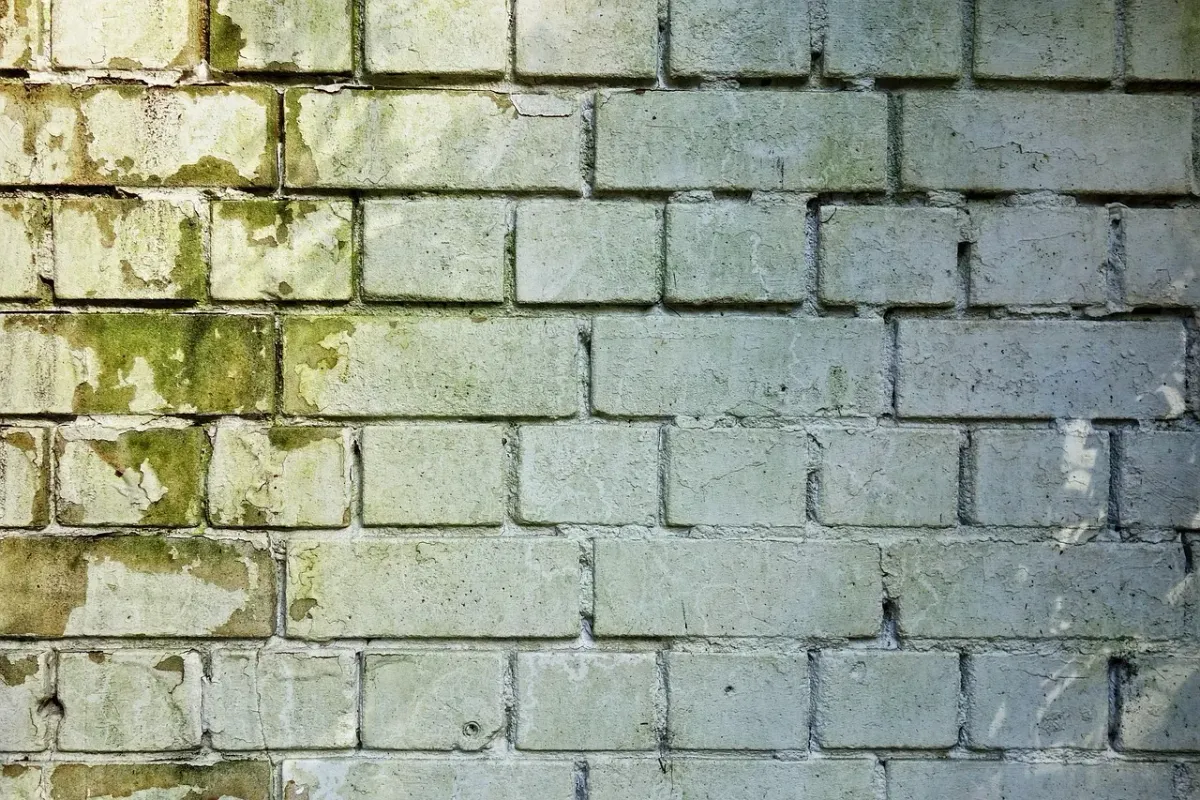
Following intense earthquakes above magnitude 6.0 in Taiwan (6.0), residents frequently discover dense cracks across exterior facades, ground-floor columns, and interior partition walls; municipal Public Works Bureaus post prominent red and yellow warning tags on damaged buildings. Residents panic: Does receiving a red or yellow tag mean the building must be demolished? Can residents enter to retrieve belongings or continue living there? How can communities obtain repair subsidies or pursue urban renewal?
Looking for the Chinese version of this article?切換至繁體中文版 →
Post-Earthquake Red and Yellow Tag Building Safety Grants
This article is compiled from publicly available online sources for general reference only; readers should independently verify and judge its accuracy, and it is not legal, tax, medical or engineering advice. Rules, fees and subsidies change; check the latest notice from the responsible authority before acting. For electrical, gas, structural or health risks, consult a qualified professional.
This is the English edition of a Chinese article, adapted with AI assistance and checked against the original. Where the two differ, the Chinese version and the official sources it cites prevail.
Official Safety Guidelines: Under the Disaster Prevention and Protection Act and Ministry of the Interior emergency assessment rules, certified structural engineers, civil engineers, or architects conduct emergency post-disaster evaluations:
- "Red Tag" (Dangerous Building): Primary structures (columns, beams, shear walls, foundations) suffered severe damage, presenting imminent structural collapse risks, strictly prohibiting entry and occupancy by law!
- "Yellow Tag" (Caution Building): Non-primary structural damage or localized primary damage without immediate collapse hazards, restricting occupancy pending swift structural retrofitting.
Receiving inspection tags is not a final demolition sentence; completing certified structural retrofitting and passing re-inspections allows municipalities to formally lift warning tags!
1. Post-Earthquake Home Self-Inspection: 3 Fatal Cracks Requiring Evacuation
Homeowners should evaluate structural damage following this hierarchical sequence:
- Most Critical: 45-Degree X-Shaped Shear Cracks on Beams and Columns: Diagonal cross-cracks on primary columns or girders measuring over 0.3mm wide (inserting business cards or fingernails easily, 0.3 毫米), spalled concrete covers, or buckled rebar represent irreversible structural failure; evacuate immediately and call 1999 for engineer audits (1999).
- Secondary Risk: Major Through-Wall Cracks in Stairwells and Shear Walls: Stairwells form rigid seismic core tubes; continuous through-and-through cracks visible on both sides of shear walls significantly impair lateral seismic resistance.
- Low Risk: Fine Hairline Surface Cracks on Partitions and Window Corners: Micro-cracks under 0.1mm on brick partitions or gypsum board joints reflect plaster layer settling (寬度小於 0.1mm), posing zero collapse hazards; apply spackle and paint after aftershocks subside.
2. Legal Authority and Post-Tagging Procedures for Red and Yellow Tags
Emergency tags posted by municipal engineer taskforces carry formal statutory force:
- Red Tag Building Protocols: Police and neighborhood chiefs establish cordon tape lines; residents may enter only briefly under disaster escort to retrieve vital documents and funds, with overnight stays strictly prohibited; owners must submit structural retrofit blueprints or pursue unsafe building reconstruction; tearing down red tags triggers imprisonment up to 1 year under Article 139 of the Criminal Code (第 139 條)!
- Yellow Tag Building Protocols: Although collapse is not immediate, degraded seismic resistance cannot withstand strong aftershocks; owners must commission low-pressure epoxy injection or carbon fiber wrapping, applying to lift yellow tag notices upon engineer certification.
3. Government Subsidies: Soft-Story Retrofit Grants up to NT$4.5 Million
To prevent neglected structural damage from funding shortages, government grant programs provide relief:
1. Private Building Soft-Story Retrofit Subsidy (National Land Management Agency):
- Grant Funding: Apartment buildings with ground-floor soft stories or damaged columns receive subsidies covering up to 45% of construction expenses, capped at NT$4.5 Million (以 450 萬元為上限); high-risk preliminary assessments can raise subsidies up to 85%, capped at NT$15,000,000 (85%, 最高 1,500 萬元, 15000)!
- Convenient Construction: Works focus on ground-floor common areas or basements (adding RC shear walls, carbon fiber column wraps, steel frames) without disrupting upper-floor residences.
2. Unsafe and Old Building Accelerated Reconstruction (Danger/Old Building Act):
Red-tagged buildings failing structural standards enjoy floor area bonuses of 1.3 times base FAR or 1.15 times original floor area (1.3 倍、1.15 倍) upon 100% owner consent, alongside property tax exemptions.
4. Earthquake Damage Assessment Tag Classification and Countermeasures
| Assessment Tag Grade | Structural Damage Condition | Occupancy and Usage Restrictions | Conditions for Tag Removal | Applicable Government Resources |
|---|---|---|---|---|
| Hazardous Tag (Red Tag) | Column shear failure, tilting over 1/50, foundation settlement (1/50) | Fully cordoned; occupancy strictly prohibited | Certified retrofit completion or statutory demolition | Disaster relief funds, rental subsidies, reconstruction FAR bonuses |
| Caution Tag (Yellow Tag) | Non-bearing wall damage, minor beam cracks without collapse risk | Restricted occupancy; guard against aftershocks | Repair secondary elements certified by licensed engineers | Soft-story seismic retrofit grants (Up to NT$4.5M, 450 萬元) |
| Safe Compliant (Green Tag / Untagged) | Superficial finish cracks, non-structural spalling | Normal safe occupancy | No removal required | Private spackling, painting, or localized tile repairs |
5. Official Building Seismic Codes and Disaster Relief Standards
Post-disaster building assessments adhere to the Ministry of the Interior Post-Disaster Dangerous Building Assessment Regulations. Seismic retrofitting standards reference National Standards CNS 15000 (CNS 15000, 15000) and the Unsafe Building Reconstruction Act.
More inspection guides: Shear Wall and Bearing Wall Identification Guide, and DIY Secondhand House Inspection 10 Steps Guide.
6. Frequently Asked Questions
Q1: Are there penalties for ignoring yellow tags and continuing normal occupancy?
Under Article 77 of the Building Act (第 77 條), owners must maintain structural safety; ignoring yellow tags risks negligent homicide charges if aftershocks cause collapses, while banks freeze mortgage underwriting.
Q2: Do property values collapse permanently for red or yellow-tagged buildings?
Trading stalls temporarily before tags are removed; however, historical data shows red tags catalyze swift urban renewal with 100% owner consensus, where newly built replacement units exceed original values several-fold.
Q3: Can small beam cracks be fixed simply by smearing cement on the surface?
Surface plastering is cosmetic; structural cracks wider than 0.3mm require low-pressure epoxy injection (Epoxy), sealing crack surfaces and injecting resin under spring pressure to restore compressive and shear strength (0.3mm, 3 毫米).
Q4: Does widespread floor tile buckling after quakes indicate tilted building columns?
Tile buckling stems from thermal expansion and building elastic sway shearing adhesive layers; unless underlying RC slabs display through-cracks wider than 3mm, buckled tiles reflect decorative repairs (0, 1, 2, 3, 4, 6, 10, 15, 45, 50, 77, 85, 100, 139, 450, 500, 1999, 15000).
Related reading: Post-Disaster Home Safety Inspection: DIY vs Pro Guide