Severe typhoons leave battered windows and standing water, while major earthquakes shake foundations, leaving doors jammed and sour odors lingering. Post-disaster inspections require methodical execution: flipping breakers blindly triggers electrical fires, while ignoring gas leaks sparks explosions. This guide explains safe inspection protocols and DIY boundaries.
Looking for the Chinese version of this article?切換至繁體中文版 →
Post-Disaster Home Safety Inspection: DIY vs Pro Guide
This article is compiled from publicly available online sources for general reference only; readers should independently verify and judge its accuracy, and it is not legal, tax, medical or engineering advice. Rules, fees and subsidies change; check the latest notice from the responsible authority before acting. For electrical, gas, structural or health risks, consult a qualified professional.
This is the English edition of a Chinese article, adapted with AI assistance and checked against the original. Where the two differ, the Chinese version and the official sources it cites prevail.
Top Safety Principle: The Golden Inspection Sequence
Upon re-entering damaged homes, never toggle light switches; follow this 3-step sequence:
- Step 1 (Fuel gas sniff check): Sniff for rotten garlic gas odors. If smelled, never touch light switches or ventilation fans (sparks ignite explosions); gently open windows and shut main gas valves.
- Step 2 (Electrical hazard inspection): Check for floodwater submerging sockets. If outlets were submerged, wear rubber boots and switch off branch circuit breakers at the panel.
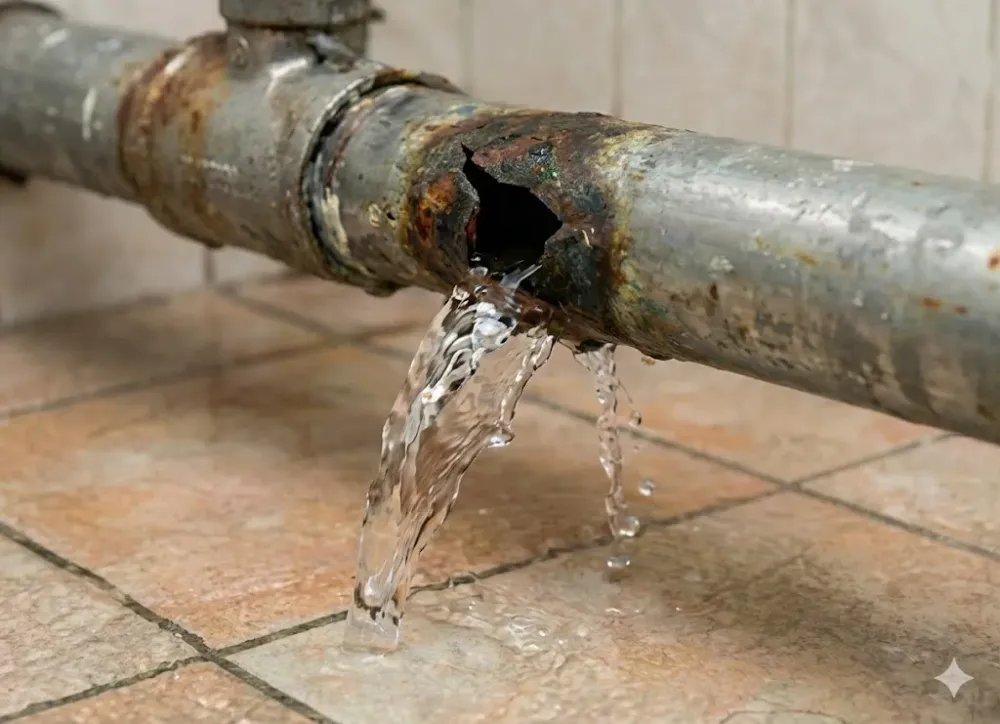
- Step 3 (Plumbing inspection): Inspect faucets and water heaters for burst pipes; if water pressure collapses, shut off the main municipal water valve. For emergencies, call our 24-hour emergency repair hotline.
Three Safe Tasks Homeowners Can Check Independently
After verifying no shock or gas leaks exist, 3 low-risk tasks can be tackled safely:
- Photographic and video documentation: Take date-stamped photos of window leaks, flaking drywall, and submerged appliance model plates for insurance claims.
- Clearing balcony drain grates: Wear thick gloves to scoop mud and leaves off floor drains, pouring a bucket of water to verify flow.
- Resetting a single tripped breaker: If a single no-fuse breaker (NFB, 無熔絲開關) trips without water contact or burning odors, turn off appliance loads and reset the toggle firmly from OFF to ON 1 time.
4 High-Risk Scenarios Demanding Certified Technicians
When the following red flags appear, DIY work is hazardous; hire certified technicians:
- Breaker panels smoking or smelling of scorched plastic: Indicates terminal melting; a licensed electrician must test the panel.
- Energizing post-flood submerged receptacles: Sockets soaked in silt flash short circuits if energized; replace sockets and test insulation.
- Water booster pumps scalding hot and smoking: Dry-running after water cuts melts mechanical seals; technicians must re-prime or replace the pump.
- Earthquake-damaged water heater flues: Flues detached by seismic shifts leak carbon monoxide indoors; licensed gas technicians must reseal joints. Learn more in our safety category.
Seismic Structural Alerts: 45-Degree Shear Cracks and Spalling
Hairline plaster cracks under 1mm represent normal settlement; but 45-degree X-pattern shear cracks exceeding 2mm across load-bearing pillars, beams, or shear walls indicate structural damage. Report these to management and hire structural engineers.
| Post-Disaster Defect | Potential Safety Risk | Homeowner Self-Remedy Boundary | Professional Engineering Solution |
|---|---|---|---|
| Gas odor detected upon entry | Explosion and asphyxiation hazard | No electrical toggles, open windows, shut valve | Certified gas plumbers locate and repair leaks |
| Submerged wet wall sockets | Shock and short-circuit fire risks | Wear rubber boots, switch off main panel | Electrician megger-tests insulation, replaces parts |
| 45-degree cracks in concrete beams | Seismic shear compromise, collapse risk | Photograph evidence and evacuate zone | Structural engineers inspect and epoxy-grout |
| Booster pump screaming and scalding | Dry-run bearing burnout after water cut | Switch off pump circuit breaker instantly | Replace mechanical seals, bleed air, test pump |
Frequently Asked Questions
What should you do if an earthquake jams entry door frames shut?
Seismic ground shaking tilts apartment walls, racking door jambs. During emergencies, strike latch mechanisms with heavy tools to escape; afterwards, have door specialists true up jambs and install seismic-rated doors.
Can water-submerged electrical appliances be powered on once dried out?
Never. Floodwater carries conductive silt and salts; even when dry, conductive residues cause catastrophic circuit board shorts upon re-energizing. Send appliances to authorized centers for professional ultrasonic washing.
What paperwork is necessary for homeowner insurance claims after disaster repairs?
Before trades commence work: photograph all damaged infrastructure; obtain itemized invoices from licensed contractors detailing exact disaster causes; and preserve replaced damaged components for insurance assessors.
Related reading: Flood Appliance Safety Check: What to Save or Discard · Post-Earthquake Red and Yellow Tag Building Safety Grants