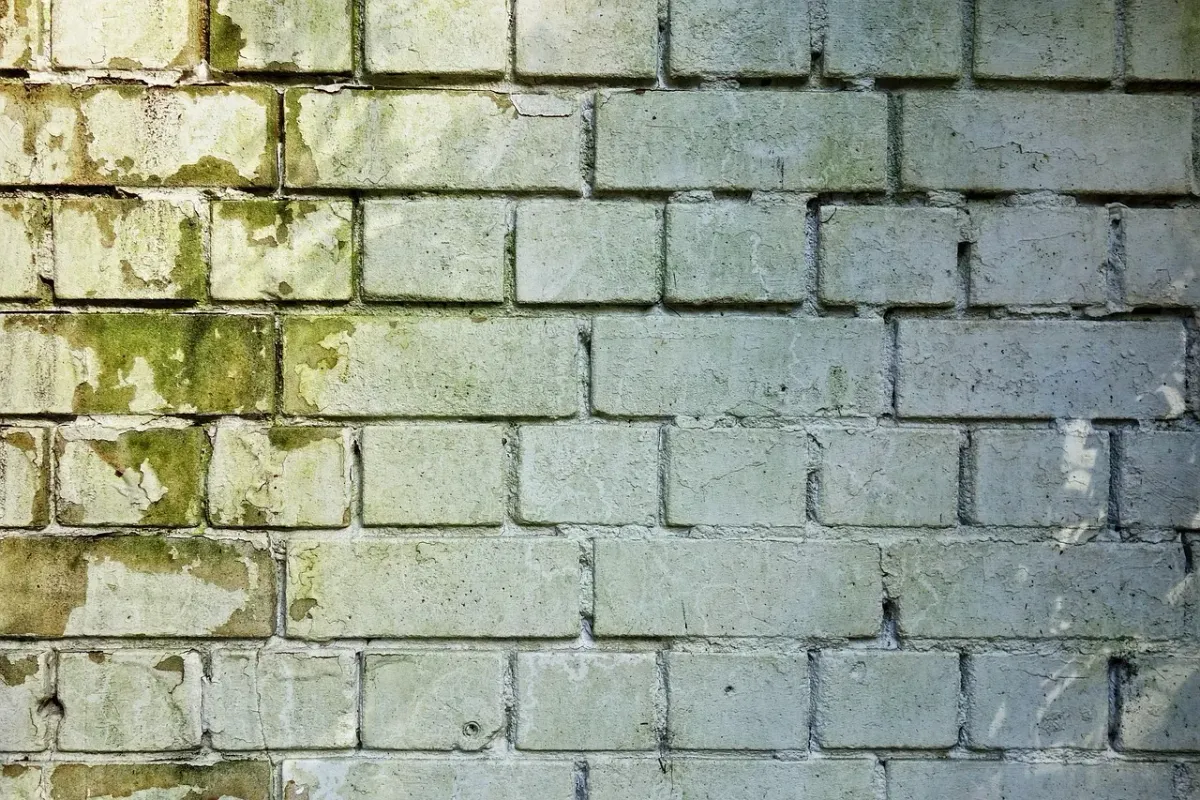
Every May, stationary weather fronts bring continuous downpours to Taipei and New Taipei, driving basement and ground-floor relative humidity past 85% or 90%. Sticky mold odors fill the air, timber floors turn black, baseboards sprout white efflorescence crystals, and wallpapers blister. How do you protect low-floor homes against persistent dampness? This guide details proven moisture defenses.
Looking for the Chinese version of this article?切換至繁體中文版 →
Plum Rain Defense: Basement Dehumidifier & Wall Mold Guide

This article is compiled from publicly available online sources for general reference only; readers should independently verify and judge its accuracy, and it is not legal, tax, medical or engineering advice. Rules, fees and subsidies change; check the latest notice from the responsible authority before acting. For electrical, gas, structural or health risks, consult a qualified professional.
This is the English edition of a Chinese article, adapted with AI assistance and checked against the original. Where the two differ, the Chinese version and the official sources it cites prevail.
The Invisible Threat: Structural Hazards When Relative Humidity Tops 80%
When indoor relative humidity remains above 75% to 80%, mold spores multiply exponentially within 24 to 48 hours; worse, rising water tables create powerful capillary negative water pressure, forcing moisture through concrete pores and precipitating calcium carbonate efflorescence that corrodes internal steel rebar.
Three Moisture Defense Strategies for Ground Floors and Basements
Protecting vulnerable ground-floor properties relies on 3 physical tactics:
Dehumidifier Placement: Wall Clearances, Open Centers, and Air Circulators
Never shove dehumidifiers into dark corners, beneath beds, or behind wardrobes! Maintain at least 50cm of clearance around intake and exhaust louvers; place units in the center of rooms paired with DC circulator fans blowing toward diagonal ceilings to establish room-wide circulation, doubling moisture extraction rates.
Negative Pressure Ventilation: When to Open Windows vs Sealing Rooms
Follow this golden rule: when outdoor humidity exceeds indoor humidity (such as during rainy spells), seal windward windows tightly to block outdoor moisture; open cross-ventilating windows only on sunny afternoons when outdoor humidity drops below 60%.
Early Efflorescence Remediation: Crystalline Waterproof Coatings
Upon spotting powdery white efflorescence, scrape damaged plaster with steel scrapers, neutralizing free alkalis with diluted oxalic acid; apply penetrating crystalline silicate sealers or epoxy coatings engineered to resist negative hydrostatic water pressure, sealing micro-cracks. Check local water alerts on our flood monitoring tool.
Frequently Asked Questions
How many hours daily should dehumidifiers run? Is 60% or 50% more efficient?
Run dehumidifiers on continuous drains 24 hours daily during plum rain season, setting targets between 55% and 60% relative humidity. Setting below 45% forces compressors to run continuously, wasting power; maintaining 55% stops mold while allowing compressors to cycle off, saving 30% electricity.
Can condensation moisture on slick basement tile floors simply be mopped dry?
Wet mopping worsens moisture! Condensation occurs when warm humid air contacts cold floor slabs. Blot standing moisture with dry cloths or newspapers, seal windows, run high-capacity dehumidifiers, and aim circulating fans downward to accelerate evaporation.
Does interior polyurethane foam pressure grouting cure basement wall seepage?
High-pressure polyurethane injection serves only as emergency water stoppage for structural cracks; widespread negative hydrostatic pressure requires stripping walls down to bare structural concrete and applying 3 coats of crystalline waterproofing membranes. Review our disaster safety category.
| Moisture Space & Equipment | Plum Rain Condensation Symptom | Homeowner Preventative Protocol | Professional Remediation Solution |
|---|---|---|---|
| Ground-Floor Living Tiles | Moisture beads across tile grout joints | Seal windows, run dehumidifier at 55% | Strip tiles, apply negative-side crystalline slurry |
| Basement Concrete Walls | White efflorescence fuzz, peeling paint | Scrape fuzz, neutralize with oxalic acid | Apply deep crystalline polymer waterproof slurry |
| Dehumidifier Drain Tubing | Buckets fill in half day, auto-shutting off | Connect continuous clear PVC drain hoses | Install high-capacity Tier-1 unit with condensate pump |
| Bedroom Timber Wardrobes | Back panels damp, turning green with mold | Pull wardrobe 10cm off walls, add dry rods | Paint walls with anti-mold latex, run ventilation |
Related reading: Plum Rain Wall Efflorescence and Cement Pore Sealing SOP · Plum Rain Season Home Mold Prevention Checklist