
Don’t rush to repair after the typhoon! Correct repair times and common mistakes for wall cancer, mold and silicone caulking
🇹🇼 Looking for the Chinese version of this article?切換至繁體中文版 →

Don’t rush to repair after the typhoon! Correct repair times and common mistakes for wall cancer, mold and silicone caulking

Rushing to build a wall just after the typhoon? Wait first

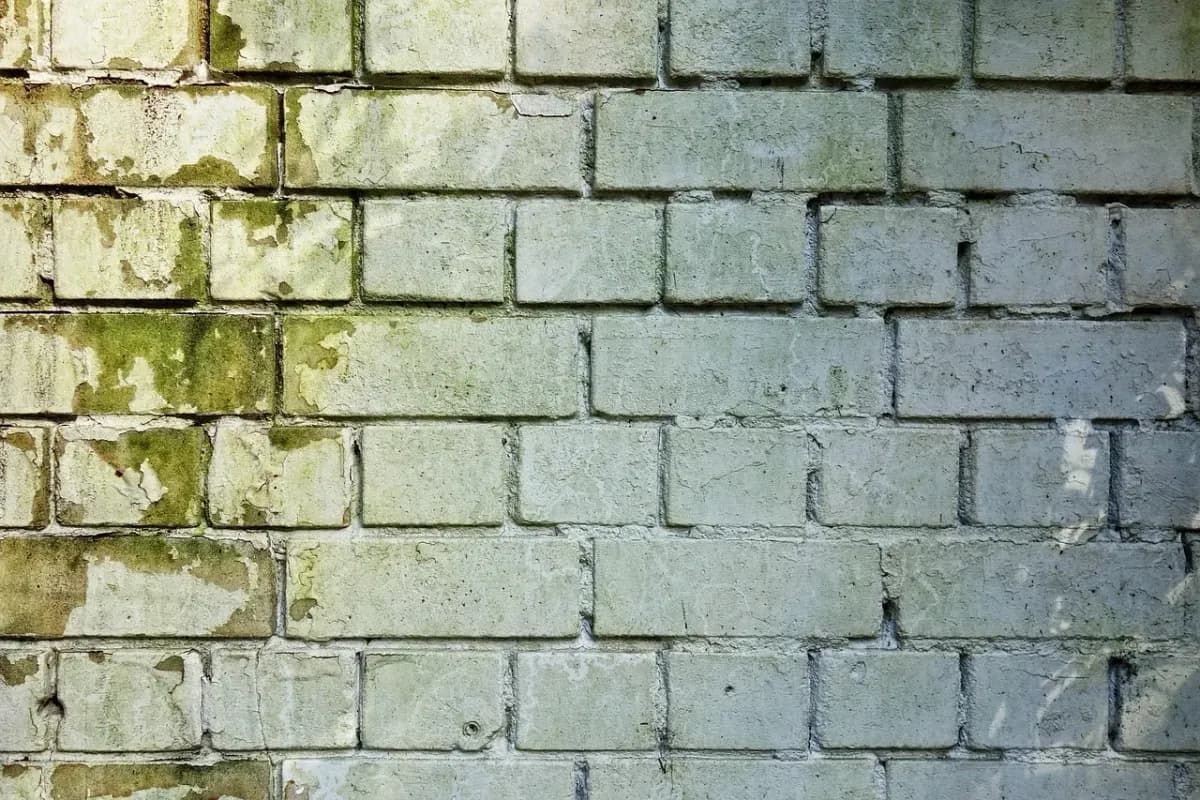
After the typhoon, many homeowners in Taipei and New Taipei opened their windows and saw that the wall near the window was wet, the paint was bubbling and peeling, and white powder or black mold began to appear in the corners. The first reaction is usually to find a master to repair it quickly and cover up those ugly marks.

But experienced waterproofing masters will all tell you the same thing: "Don't worry, let the wall dry first."

Why? Because the rainwater brought by the typhoon is not just on the surface of the exterior wall. Strong winds can force rainwater into micro-cracks in exterior walls, seams in window frames, and gaps in tiles. This moisture will penetrate into the concrete and red bricks of the wall, and it will take several days or even a week or two to evaporate and dry naturally.

If you rush to scrape off the wall cancer, paint it with new paint, or apply silicone when there is still a lot of moisture inside the wall, you will be "sealing" the moisture inside the wall and unable to get out. The trapped moisture will continue to corrode the wall, causing the newly painted paint to bulge and peel again after a few months, making the wall cancer more serious than before. This is also the reason why many people think that "wall cancer can never be cured" - it's not that it can't be cured, but that the timing is not right.

Correct steps after a typhoon

The first stage: emergency leak stop (on the day of the typhoon or the next day)

If the window frame is leaking, take temporary measures to stop the leakage:

  • Stuff the bottom of the window frame with absorbent towels or old clothes to absorb water
  • Cover the floor with a tarpaulin or a large plastic bag, and use a bucket to carry it over
  • Check whether the window frame drainage hole (usually a small hole in the track below the window frame) is blocked by sand or mud

Phase 2: Wait for drying (3 to 7 days)

After the weather stabilizes, let the damp walls dry naturally. You can use a dehumidifier or electric fan to speed up the process, but do not use a heat gun to blow directly on the wall. The high temperature may cause the surface to dry too quickly, and the moisture inside will be locked. Under Taipei's summer ambient temperature and humidity conditions, a wall of average thickness will take approximately 3 to 7 days to dry.

The third stage: Diagnosing the water source (after drying)

Before starting any repairs, the most critical step is to find out where the water is coming from. Where you see a leak is not necessarily where the water is getting in - the water could seep in through a crack several meters away and follow a path inside the wall to where you see it.

Common water entry points include:

  1. Deterioration of window frame silicone:This is the most common cause. Silicone will begin to crack, peel, and lose its sealing effect in about 5 to 8 years.
  2. Cracks in exterior wall tiles: Smear cracks in the tiles themselves or in the grout can allow rainwater to seep in.
  3. Ageing of the waterproof layer on the attic: If you live on the attic, water seepage from the ceiling is usually a sign that the life of the waterproof layer has expired.

The fourth stage: professional repair (after confirming it is dry and finding the water source)

The standard radical treatment process for wall cancer is as follows:

  1. Completely scrape off the moldy and peeling old paint and loose cement layer
  2. Apply mold remover to kill mold spores
  3. Repair external sources of water ingress (re-silicon, repair cracks in tiles, or waterproof exterior walls)
  4. Confirm that the internal moisture content drops below the safe value (professional masters will use a moisture meter to measure)
  5. Apply one or two coats of alkali-resistant sealing primer (to prevent cement alkaline substances from re-precipitating to form wall cancer)
  6. Final topcoat completed

The correct approach to silicone re-printing

Many people think that silicone can be squeezed out and wiped on, but in fact its construction quality directly determines how long the leak-proof effect will last:

  • Old silicone must be completely removed: New silicone cannot stick to old silicone. Use a silicone scraper and solvent to completely remove the old glue.
  • Keep surface dry: Silicone's adhesion is greatly reduced on wet surfaces.
  • Choose neutral silicone: Acidic silicone is cheap but can corrode metal door and window frames. Be sure to use neutral silicone for caulking of window frames.
  • Prepare the seam after punching: After squeezing it out, use your fingers or spatula soaked in soapy water to press the silicone into the seam to ensure that it is tightly attached to the materials on both sides.

Long-term maintenance: perform a patrol every year before the typhoon season

Taiwan’s humid climate and frequent earthquakes will cause the waterproofing of exterior walls and window frames to continue to deteriorate. It is recommended to spend half an hour doing a patrol every year before the typhoon season (around May or June):

Key points of inspection Simple judgment method
Window frame silicone Pick it with your fingernails. If it hardens, becomes brittle, or peels off easily, it’s time to replace it
Exterior wall tiles Observe from the balcony to see if there are any bulges, cracks or caulking peeling
Where air-conditioning holes and pipes pass through the wall Check whether the surrounding caulking is complete and whether there are any gaps

Conclusion: To treat wall cancer, we must cure the root cause and choose the right time

Wall cancer is not a terminal disease, but it requires the correct sequence of "cutting off the water source first, then waiting for dryness, and finally treating the surface." Impulsive repairs after a typhoon often only temporarily cover up the problem, only to reappear a few months later. Only by patiently waiting for the wall to dry out, finding the real water ingress point, and repairing it step by step can we truly say goodbye to wall cancer.

New knowledge on air-conditioning power consumption and Taiwan climate maintenance regulations in recent years (2025-2026 current situation)

With the high temperatures in summer breaking historical records and the adjustment of electricity price structure in recent years, the latest statistics from the Energy Administration of the Ministry of Economic Affairs show that air-conditioning equipment accounts for more than 47% of residential electricity consumption in summer. Many people mistakenly believe that if the air conditioner is not cold, they only need to "replenish the refrigerant." However, in fact, refrigerant is not naturally consumed during normal operation in a closed circuit. If the refrigerant is insufficient, it means that there are micro leaks in the copper pipes or joints. Simply replenishing the air conditioner will only treat the symptoms but not the root cause. Refrigerant leakage will aggravate the high temperature overload of the compressor and shorten its service life.

According to Taiwan's standard operating specifications for air-conditioning projects, it is recommended that professional technicians with a refrigeration and air-conditioning decoration technician license perform "full machine high-pressure water washing and evaporator deep sterilization" every 1 to 2 years for detached air-conditioning indoor units. Especially in the humid summer in the Shuangbei Basin, the air drum and water collection tray are easy to breed black mold and jelly-like biofilm. This is also the main reason for the sour smell in the air-conditioning outlet and the backflow of the drainage pipe. Regular maintenance can maintain CSPF (Air Conditioning Seasonal Performance Factor) level one energy efficiency level, which can save an average household 15% to 20% of air conditioning electricity bills every year.

Autonomous simple maintenance vs professional maintenance safety red line

  • Homeowners can do by themselves: Remove and clean the nylon filter regularly every 2 to 3 weeks (rinse with clean water and dry in a cool place, do not expose it to the sun to avoid deformation and embrittlement); clean the air outlet blades of the indoor unit with a dry cloth; check whether there is any accumulation of debris within 50 cm around the outdoor unit that hinders heat dissipation.
  • Professional technicians must be entrusted according to regulations: Refrigerant pressure testing and leakage repair welding, high-pressure cleaning of indoor unit air drums and aluminum fins with liquid chemicals, reset of the drainage slope of hidden cold water pipes in the ceiling, and 220V dedicated power circuit configuration and leakage circuit breaker replacement.

🇹🇼 Expat Living Note: Home Repairs in Taiwan

If you are an international resident renting an apartment in Taipei, New Taipei, or anywhere in Taiwan:

  • Voltage & Electrical Safety: Taiwan standard household voltage is 110V (60Hz). Do not plug 220V imported European/UK appliances directly without a certified step-up transformer.
  • Plumbing Terminology: Local plumbers are called 水電 (Shuǐdiàn) and handle both water and electrical repairs.
  • Landlord Obligations: Under Article 429 of Taiwan Civil Code, landlords are legally responsible for repairing natural wear and tear (such as hidden wall pipe leaks, water heater faults, or booster pump failures) unless explicitly waived in your lease.