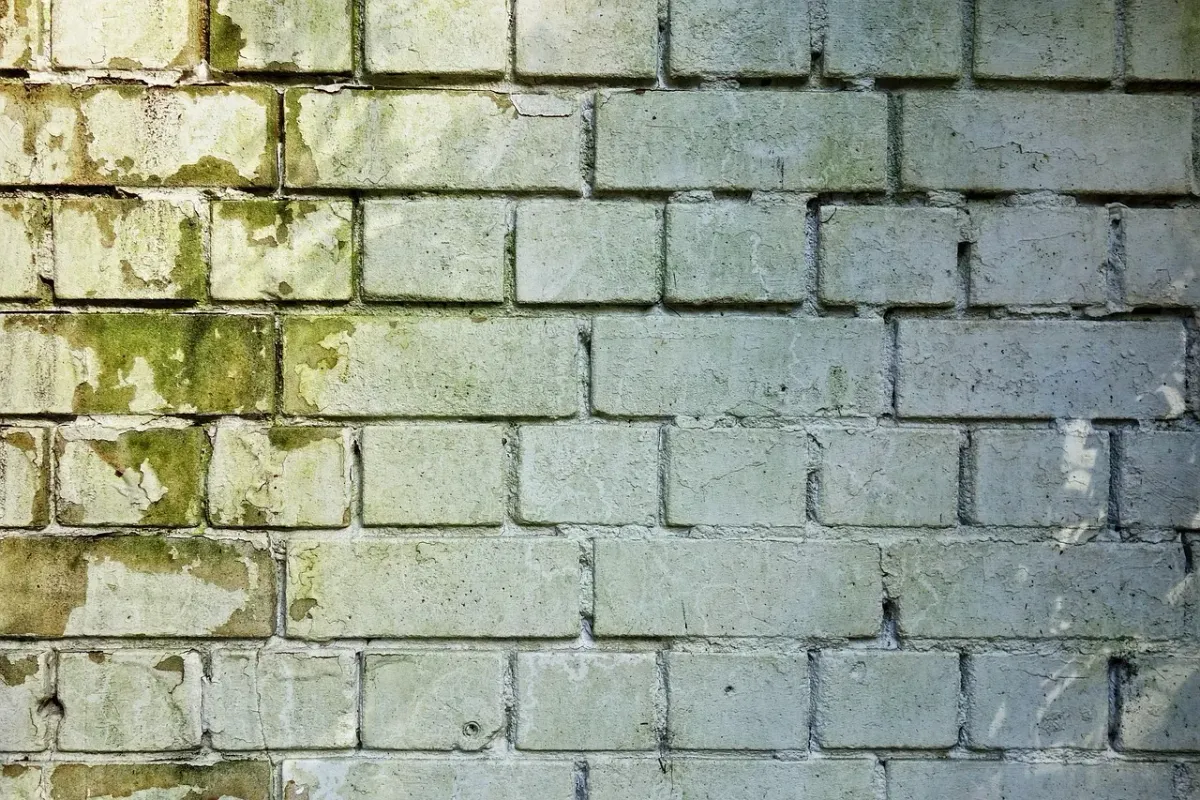
Many homeowners spend weekends scraping efflorescence powder off walls, applying spackle, and repainting, only to watch paint blister and peel weeks later. What is the core difference between paint peeling, wall efflorescence, and active leaks? This guide explains key wall symptoms and lasting repairs.
Looking for the Chinese version of this article?切換至繁體中文版 →
Paint Peeling, Wall Mold, or Water Leak: Diagnosis Guide
This article is compiled from publicly available online sources for general reference only; readers should independently verify and judge its accuracy, and it is not legal, tax, medical or engineering advice. Rules, fees and subsidies change; check the latest notice from the responsible authority before acting. For electrical, gas, structural or health risks, consult a qualified professional.
This is the English edition of a Chinese article, adapted with AI assistance and checked against the original. Where the two differ, the Chinese version and the official sources it cites prevail.
Three Wall Symptoms: Differentiating Mechanisms and Appearances
Selecting effective remedies requires understanding 3 distinct physical wall mechanisms:
- Paint peeling: Primarily caused by uncleaned dust before painting or high humidity; paint sheds in dry paper-thin flakes while underlying masonry remains solid.
- Efflorescence crystals: Calcium hydroxide inside cement mortar dissolves in moisture, migrates outward, reacts with carbon dioxide, and forms white calcium carbonate powder.
- Active water leakage: Continuous moisture supply within masonry leaves conspicuous damp stains, yellowish water borders, softening paint, and cold wet surfaces.
Why Simple Scraping and Repainting Fails Within 3-6 Months
Over-the-counter anti-efflorescence sprays applied directly to wet masonry without stopping the water ingress fail inevitably. When moisture remains trapped inside concrete slabs, outward vapor pressure builds up steadily. Within 3 to 6 months, newly applied paint films blister and rupture again, causing severe deep mortar decay and sanding underneath.
Three-Step Homeowner Self-Diagnosis Checklist for Water Tracing
Before hiring detection plumbers, residents can narrow potential sources through 3 simple steps:
- Step 1: Track rain correlations. If damp patches expand visibly during typhoons, exterior wall cracks or damaged window perimeter caulking are prime culprits.
- Step 2: Log plumbing usage schedules. If wall sweating occurs when family members shower, concealed water pipes or loose drain slip-joints are likely leaking.
- Step 3: Run dehumidifiers continuously for 48 hours in closed rooms. If efflorescence stops spreading, indoor condensation is the primary issue.
Professional Detection Equipment and Neighborhood Coordination
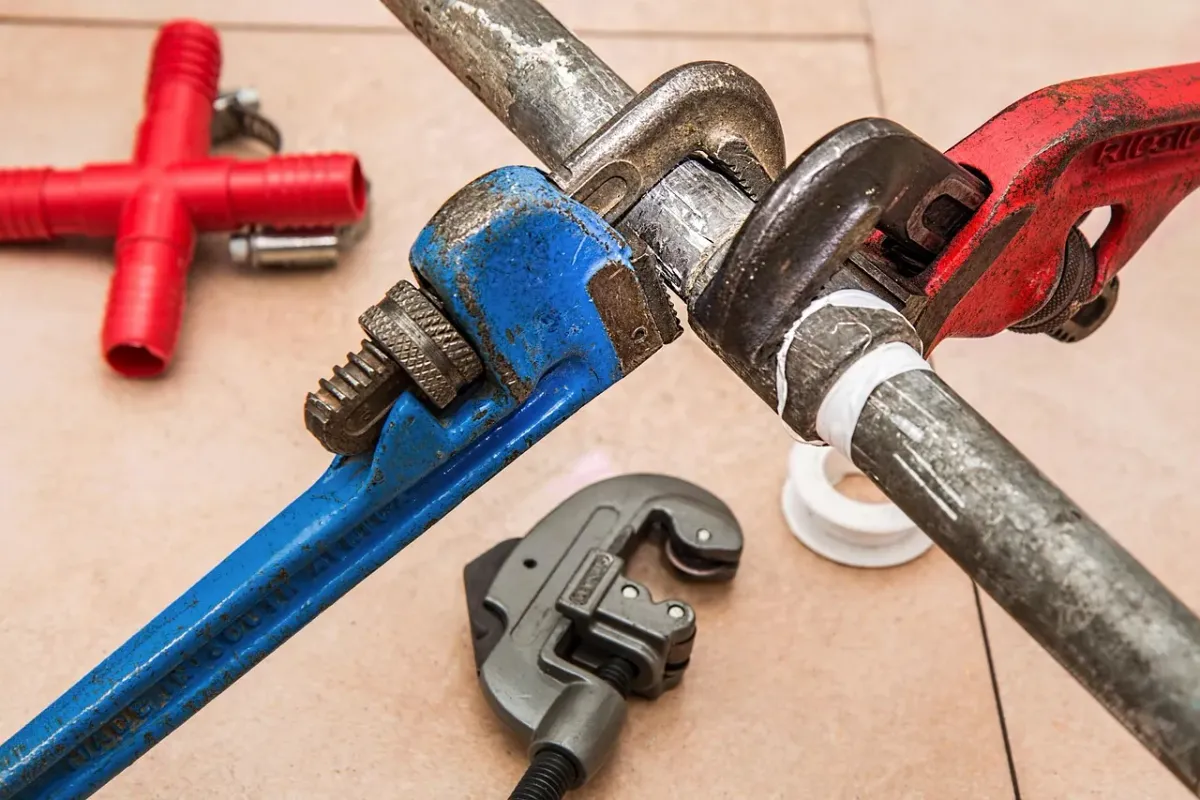
When visual checks cannot pinpoint buried moisture, licensed technicians use concrete moisture meters, infrared thermal cameras, and pipe pressure tests. If leaks stem from upstairs bathrooms, our leak liability checker clarifies responsibilities under Taiwanese residential codes. For further case studies, visit our housing repair category.
| Wall Damage Type | Primary Root Cause | Effective Remediation Method | Expected Durability |
|---|---|---|---|
| Superficial Paint Peeling | Unprimed drywall or high indoor humidity | Scrape clean, apply alkali-resistant primer | 5-8 years dry condition |
| Condensation Efflorescence | Poor ventilation and seasonal moisture sweating | Room ventilation and vapor-permeable paint | 3-5 years maintained |
| Rain Penetration Wall Mold | Micro-cracks on building facade or windows | Exterior waterproof elastomeric coating | 5-10 years protection |
| Concealed Pipe Burst Leak | Ruptured hot water pipes or drain leaks | Chisel drywall to replace pipes and re-waterproof | 15-20 years plumbing life |
Frequently Asked Questions
Is efflorescence powder dangerous to human respiratory health?
Calcium carbonate itself possesses low toxicity, but wet wall conditions cultivate Aspergillus, Penicillium, and dust mites. Airborne fungal spores trigger allergic rhinitis, coughing, and asthma in children and elderly residents.
Can polyurethane foam injection permanently cure wall efflorescence?
Polyurethane high-pressure foam injection is an emergency measure for structural cracks, not permanent waterproofing. Without cutting water at the positive side, hydrostatic pressure forces water into adjacent concrete, creating new leaks.
What legal options exist if upstairs neighbors refuse leak inspections?
Under Taiwanese residential statutes, unit owners must grant access for necessary plumbing inspections. Send formal legal letters accompanied by licensed inspection reports, followed by municipal mediation or civil litigation if necessary.
Related reading: Vacant House Water and Electrical Inspection Guide · Dog Urine Wall Efflorescence Repair: Paint Steps · Hardwood & Laminate Flooring Water Leak Emergency Guide · Plum Rain Wall Efflorescence and Cement Pore Sealing SOP