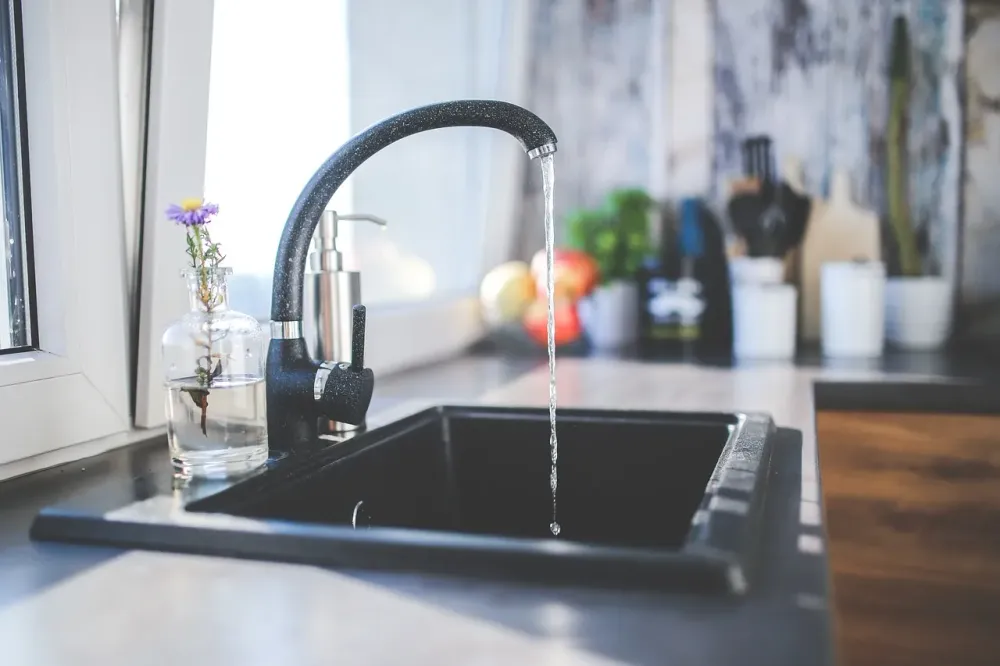
Opening the tap to rusty brownish water or experiencing fluctuating shower pressure is a frequent headache. Older apartments exceeding 30 years in Taipei and New Taipei often feature galvanized iron pipes that clog with rust tubercles over decades. Which modern piping material best suits an old house overhaul? This guide compares durability, costs, and installation tactics for residential repiping.
Looking for the Chinese version of this article?切換至繁體中文版 →
Old House Pipe Replacement: Material Lifespan Comparison
This article is compiled from publicly available online sources for general reference only; readers should independently verify and judge its accuracy, and it is not legal, tax, medical or engineering advice. Rules, fees and subsidies change; check the latest notice from the responsible authority before acting. For electrical, gas, structural or health risks, consult a qualified professional.
This is the English edition of a Chinese article, adapted with AI assistance and checked against the original. Where the two differ, the Chinese version and the official sources it cites prevail.
Material Classifications for Supply, Drainage, and Hot Water
Residential piping divides into three primary systems: cold supply, hot supply, and wastewater drainage. Cold lines handle 1.5 to 3 kilograms of pressure requiring lead-free hygiene; hot lines endure cyclical thermal expansion above 60 degrees demanding high heat tolerance; drain lines rely on gravity requiring smooth inner walls against grease build-up. Common PVC pipes are only rated for cold supply and drains; connecting standard PVC to hot water heaters causes severe softening and catastrophic bursts within weeks.
Comprehensive Comparison of Four Major Supply Pipe Materials
Modern residential renovation relies on 4 major supply pipe materials:
- Stainless Steel (SUS 304): resists extreme pressure and heat with a 30 to 50 year lifespan; press-fitting makes it the prime choice for hot water lines in Taipei and New Taipei.
- PPR Pipes: heat-fusion joins pipe and fittings into a monolithic seam with superior insulation and a 40 to 50 year design life, but requires precise fusion temperature control.
- Copper: excellent thermal conductivity and antimicrobial traits lasting 30 to 40 years, but carries high material costs and complex braze joints.
- PVC: economical and lightweight with a 15 to 25 year life, but temperature limits near 45 degrees restrict it strictly to cold supply and drainage.
Exposed Piping Versus Concealed In-Wall Installation
Homeowners face the classic dilemma between exposed and concealed piping. In-wall concealed piping requires extensive trenching through concrete walls and slabs; it delivers clean aesthetics but causes heavy construction dust, takes 2 to 3 weeks, and complicates future leak tracking. Exposed surface piping runs along baseboards or beams, completes in 1 to 2 days, and allows instant visual leak inspection. For budget-conscious owners without full interior remodels in Taipei and New Taipei, exposed stainless piping with decorative duct covers offers the best value. Browse our plumbing category for details.
Three Critical Systems to Upgrade Alongside Water Pipes
Upgrading water supply lines in isolation often leads to secondary headaches. Three related systems must be evaluated simultaneously: First, inspect the main water meter shutoff valve and pressure regulator; if static pressure exceeds 3.5 kilograms, install pressure reducers to protect fittings; Second, verify electrical service panels, no-fuse breaker (NFB, 無熔絲開關) and grounding wires, as high-power water heaters or booster pumps require dedicated branch circuits; Third, check drain floor slopes, as old building settling often reduces grade below 1/100, requiring grade re-leveling to prevent foul water stagnation.
When to Immediately Call Professional Plumbers for Repiping
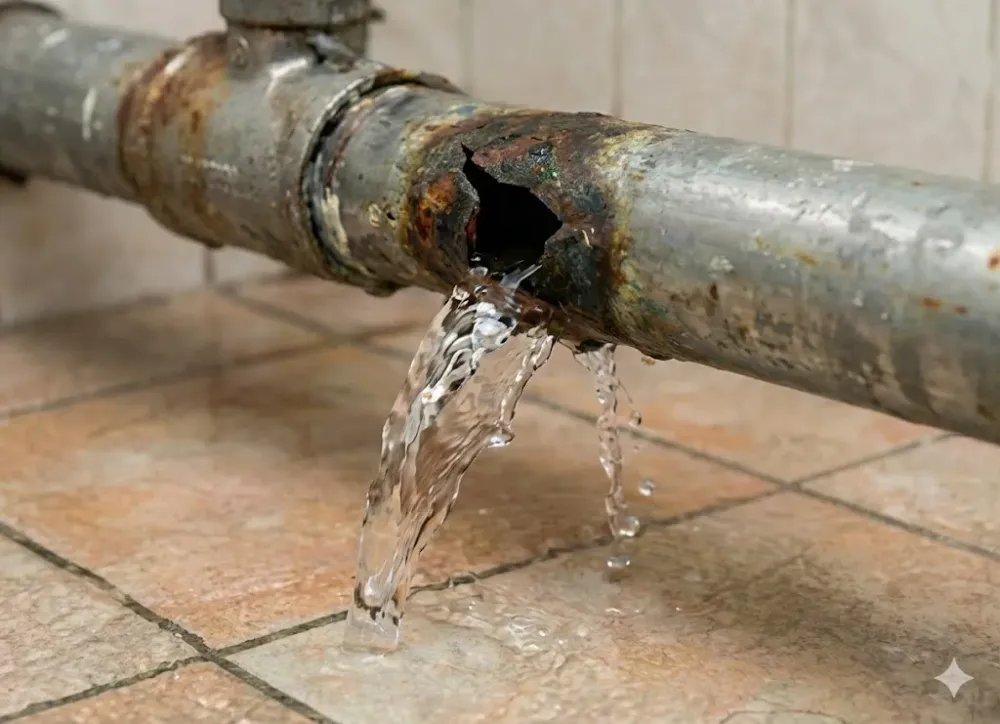
Catastrophic pipe bursts develop from prolonged microscopic corrosion. If the red indicator on your water meter turns while all faucets are closed, baseboards show spreading damp stains, or hot water volume drops to less than half of cold flow, serious concealed pipe failure is active. Never attempt DIY high-pressure chemical injection; check our pricing transparency guide and contact licensed plumbing technicians immediately with pressure manifolds and pipe scopes for diagnostic assessment.
| Pipe Material | Expected Lifespan | Temperature Limit | Applications, Pros, and Cons |
|---|---|---|---|
| Stainless Steel (SUS 304) | 30-50+ years | Over 100 degrees C | High pressure resistance, press-fit assembly, ideal for hot supply |
| PPR Fusion Pipe | 40-50 years | Around 95 degrees C | Monolithic fused joints, excellent insulation, requires skill |
| Copper Tubing | 30-40 years | Over 100 degrees C | Superb thermal traits and antimicrobial, but premium material cost |
| PVC Plastic Pipe | 15-25 years | Below 45 degrees C | Economical, rust-free, low heat resistance, strict drainage only |
Frequently Asked Questions
Can I replace only the hot water pipes in an old house?
Replacing only hot water lines is a common budget compromise because thermal expansion accelerates corrosion faster than in cold lines. However, if the home exceeds 30 years with original iron cold pipes in Taipei and New Taipei, whole-house repiping avoids tearing down tiles twice.
How many days does exposed whole-house repiping take?
For standard apartments under 100 square meters, surface-mounted stainless press-fit repiping typically takes 1 to 2 workdays for bracket mounting, tap connections, and pressure testing, restoring water on the same evening.
How should I verify newly installed pipes are leak-free?
Plumbing handover requires hydrostatic pressure testing: pump lines to 5 to 7 kilograms of pressure (far exceeding municipal pressure) and ensure the gauge needle holds steady without drops or fitting weeping for 30 to 60 minutes.
Related reading: Exposed vs Concealed Water Pipes in Older Taipei Apartments · Taipei Lead Water Pipe Replacement and Filter Safety