In 2015, Taiwan experienced the widely publicized "lead water pipe crisis" (自來水鉛管風暴), where tens of thousands of households in the Taipei Water Department (台北自來水事業處, 北水處) service area (covering all of Taipei and parts of New Taipei including Xindian, Yonghe, Zhonghe, and Sanchong) were supplied through aging lead service pipes. Although the Taipei Water Department invested heavily in subsequent engineering projects and announced by the end of 2017 that public main lead pipes had reached 100% complete replacement to zero (公用外線自來水鉛管全面汰換歸零), many residents living in 35 to 50 year old walk-up apartments (35-50 years) or townhouses remain unaware that the government only replaced public service mains beneath municipal roads. Private indoor piping and aging faucets connecting from behind the water meter still carry high risks of toxic heavy metal lead contamination. Lead is a cumulative neurotoxin where even trace exposure causes permanent damage to infant brain development and nervous systems. Understanding your home plumbing status and selecting certified water filters ensures safe family drinking water.
Taipei Lead Water Pipe Replacement and Filter Safety
This article is compiled from publicly available online sources for general reference only; readers should independently verify and judge its accuracy, and it is not legal, tax, medical or engineering advice. Rules, fees and subsidies change; check the latest notice from the responsible authority before acting. For electrical, gas, structural or health risks, consult a qualified professional.
This is the English edition of a Chinese article, adapted with AI assistance and checked against the original. Where the two differ, the Chinese version and the official sources it cites prevail.
1. Analyzing Lead Sources: Public Mains vs. Private Indoor Concealed Pipes
To clarify where heavy metal lead dissolves into household water, examine the three primary potential exposure routes:
| Potential Lead Exposure Route | Historical Background and Distribution | Current Government Jurisdiction and Authority | Home Protection and Key Safeguards |
|---|---|---|---|
| Public distribution mains and branch service lines | Underground lead water supply lines installed before ROC year 68 (1979; 民國 68 年以前), widely used due to soft bendable properties | The Taipei Water Department completed 100% replacement in 2017. Mains were upgraded to ductile iron pipe (DIP) or corrugated stainless steel pipe. | Public water leaving plants complies with national drinking water quality standards with lead content below 0.01 mg/L. |
| Piping from ground-floor water meter into private residences | In older buildings constructed before the 70s (1981; 民國 70 年代前), pipes behind meters or concealed in concrete walls may remain lead pipes or galvanized iron pipes joined with lead solder. | Classified as private residential property lines. Public authorities lack legal jurisdiction to enter private premises for replacement; owners must self-fund repairs. | When undertaking full interior renovations of older homes, strongly recommend upgrading entirely to Grade 304 stainless steel press-fit pipes or exposed heat-fusion conduits. |
| Aging kitchen and bathroom copper alloy faucets | Early uncertified budget copper faucets often had 3% to 8% (3%-8%) lead added by manufacturers to facilitate machining, releasing substantial free dissolved lead after prolonged water contact. | Commercial faucets have been subject to mandatory CNS 8088 drinking faucet inspection standards since 2017 (lead dissolution limit below 0.005 mg/L). | Replace household kitchen faucets with models bearing the certified LF (Lead Free) mark or solid Grade 304 stainless steel faucets. |
2. Three Self-Testing Steps for Tap Water Lead and Morning Flushing Routine
To evaluate whether your drinking water carries elevated lead concentration risks, implement these daily safety guidelines:
- Morning first-draw water flush for 2 to 3 minutes (2-3 minutes golden rule):
- After 6 to 8 hours (6-8 hours) of overnight stagnation during sleep, water inside faucets and indoor pipe walls remains motionless. If plumbing joints contain lead solder or brass faucets contain lead, dissolved lead reaches its highest peak daily concentration during this static window.
- Never use the first draw of water from the faucet in the morning directly for brushing teeth, gargling, mixing infant formula, or boiling soup. Open the faucet at medium flow for 2 to 3 minutes (2-3 minutes) to purge stale water stagnant in pipes overnight; collect this water in buckets for toilet flushing, watering plants, or mopping floors before using fresh cold water.
- Inspect visual characteristics of exposed water pipes (rapid visual check):
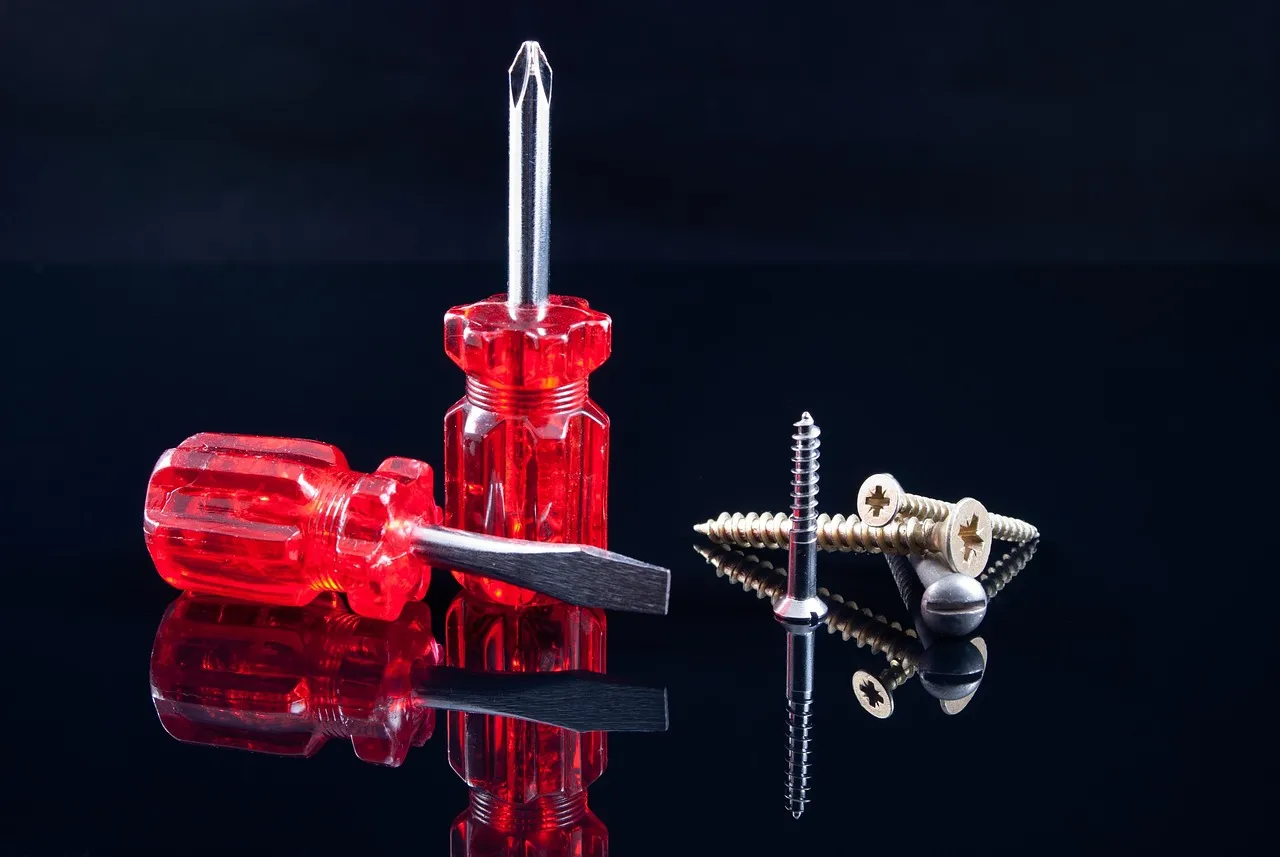
- Examine exposed metal supply lines in the ground-floor meter box or rear balcony. Lead pipe appears dull dark gray and is remarkably soft; scratching its surface with a flathead screwdriver or coin easily leaves deep silver-white metal scores, and joints appear bulbously thick without threaded couplings. Stainless steel pipe is exceptionally hard and scratch-resistant, while galvanized iron pipe surfaces often exhibit rough reddish-brown rust.
- Request official or accredited third-party laboratory heavy metal testing:
- If expectant mothers or newborns live in your household and you have concerns about water in older homes, apply for on-site water quality testing through the Taipei Water Department, or take a 1,000 ml (1000ml) morning stagnant sample to a testing laboratory certified by the Ministry of Environment (環境部) under the Executive Yuan for inductively coupled plasma mass spectrometry (ICP-MS) analysis to obtain precise figures.
3. Dispelling Myths: Not All Filter Cartridges Remove Lead (NSF Certification)
Many consumers purchasing home water filtration units are told by sales clerks that activated carbon removes chlorine and lead, only to realize years later that it fails to filter heavy metals. Verify these authoritative international standards when purchasing:
- NSF 42 certification only improves aesthetic taste, while NSF 53 guarantees heavy metal lead removal:
- NSF/ANSI 42 (Aesthetic Effects): Only verifies that the cartridge reduces residual chlorine, odors, and particulate sediment to improve taste, without guaranteeing any capability to remove heavy metals or lead.
- NSF/ANSI 53 (Health Effects): Represents the strict benchmark for filtering chemical contaminants and heavy metals. Cartridges undergo rigorous pressurized challenge testing with high lead ion concentrations to prove continuous reduction of dissolved lead to below the safe threshold of 0.005 mg/L (5 ppb). Only composite carbon block cartridges clearly labeled with NSF 53 lead removal certification provide genuine lead reduction performance.
- Reverse osmosis (NSF/ANSI 58) delivers 99% physical removal of heavy metals:
- Where budget and under-sink space permit, a Reverse Osmosis (RO) system under NSF 58 serves as the most complete heavy metal barrier. RO membrane pore sizes measure merely 0.0001 microns (0.1 nanometers; 0.0001 μm, 0.1 nm), far smaller than hydrated divalent lead ions. Heavy metal lead is 100% physically blocked and discharged via reject brine, producing pure H₂O water that delivers maximum safety for reconstituting infant formula.
- Boiling water absolutely cannot eliminate heavy metal lead (and actually concentrates it):
- Many elders hold the misconception that boiling water rolling for 5 minutes destroys all toxins. Boiling water only neutralizes bacteria and vaporizes residual chlorine. Because lead is an inorganic chemical element, it does not decompose under high heat; continued boiling evaporates water volume, causing lead ion concentrations in the kettle to increase rather than decline.
4. Look for Taiwan CNS 8088 Lead-Free Certification When Replacing Old Faucets
The terminal fixture for indoor drinking water is the faucet. If supply piping is pristine but the faucet contains lead, dispensed water remains contaminated:
- Look for laser-engraved LF certified marks: Under regulations from the Bureau of Standards, Metrology and Inspection of the Ministry of Economic Affairs (經濟部), lead-free drinking faucets sold legally in Taiwan must feature a legible laser-etched LF (Lead Free) or drinking water mark on the fixture body.
- Pure Grade 304 stainless steel faucets (healthiest and most durable): Premium lead-free commercial faucets utilize food-grade SUS 304 stainless steel precision castings. The interior features zero electroplating, zero lead content, and permanent rust resistance, leaching zero metallic toxins across fluctuating water pH levels, making it the premier choice for modern kitchens.
5. Frequently Asked Questions About Residential Lead Water Safety
Q1: I live in an older walk-up apartment in Wenshan District, Taipei. Can I check whether my street connection was originally lead pipe?
Yes, records are accessible. The Taipei Water Department website maintains a dedicated lead pipe inquiry system. Residents simply enter the 11-digit water customer number from their water utility bill or their street address. The system retrieves historical engineering schematics for that location, detailing original pipe materials, completion dates of replacement works, and updated stainless steel pipe numbers transparently.
Q2: Can ceramic filters or standard ultrafiltration (UF) hollow fiber membrane cartridges remove lead from tap water?
The vast majority cannot remove dissolved lead. Ultrafiltration (UF) membranes and diatomaceous ceramic filters have pore ratings typically between 0.01 and 0.1 microns, which easily trap E. coli bacteria, micro-silt, and rust flakes. However, dissolved lead exists as ionic Pb²⁺ at sub-nanometer scales hundreds of times smaller than UF micropores, passing straight through into your drinking cup. Lead removal requires charged ion-exchange resin or RO reverse osmosis membranes rated at 0.0001 microns.
Q3: Does water used for washing vegetables and rinsing rice require lead filtration, or only direct drinking water?
Using filtered water for washing vegetables, rinsing rice, and simmering broth is strongly advised. Dry uncooked white rice absorbs moisture rapidly during initial washing, absorbing dissolved lead ions into the starch core of the grain where they become trapped during cooking. Modern under-sink lead-reduction filtration systems deliver robust flow rates of 2 to 4 liters (2-4 liters) per minute, making filtered water readily usable across culinary washing and cooking tasks.
Q4: Can hot water drawn directly from a water heater be used for boiling soup or instant noodles to save boiling time?
This is strictly discouraged as a hazardous practice. First, water heater inner tanks and cold/hot mixing valves submerged in high temperatures of 60°C to 70°C (60-70°C) leach heavy metal lead and copper ions over 10 times faster than room-temperature water. Second, metallic water heater storage tanks accumulate years of heavy mineral sediment and scale sludge at their base. Always draw cold water from the tap and heat it separately for cooking.
Related reading: Old House Pipe Replacement: Material Lifespan Comparison · Can You Drink Tap Water in Taipei and Taiwan Directly · Old Home Tap Water Heavy Metals: Testing and Filters