Opening your front door after work only to be greeted by pungent ammonia cat urine fumes ruins home comfort, regardless of how often litter is scooped. Cat waste contains high concentrations of ammonia (NH3); placing litter boxes in poorly ventilated corners allows odors to linger while dust triggers feline asthma. This guide explains mechanical exhaust setups and smart purifier configurations.
Looking for the Chinese version of this article?切換至繁體中文版 →
Litter Box Ventilation: Smart Exhaust Fans and Air Purifiers
This article is compiled from publicly available online sources for general reference only; readers should independently verify and judge its accuracy, and it is not legal, tax, medical or engineering advice. Rules, fees and subsidies change; check the latest notice from the responsible authority before acting. For electrical, gas, structural or health risks, consult a qualified professional.
This is the English edition of a Chinese article, adapted with AI assistance and checked against the original. Where the two differ, the Chinese version and the official sources it cites prevail.
Why Is Ventilation the Absolute Core Solution for Litter Box Odors?
Covering litter smells with scented plug-ins is counterproductive: feline olfactory systems are 14 times more sensitive than humans, and chemical fragrances irritate airways. Physical exhaust systems that vent fumes outside and maintain slight negative pressure zones represent the definitive remedy.
Evaluating Prime Litter Box Locations: Avoiding Kitchens and Bedrooms
Positioning balances feline privacy with air convection: never place boxes beside cooking counters (preventing food contamination) or bedroom headboards; optimal zones include dry bathroom foyers, sheltered enclosed balconies, or living room window niches with cross-ventilation.
Two Hardware Upgrades: Smart Exhaust and Linked Air Purification
Creating an odor-free litter zone relies on 2 hardware upgrades:
Smart Exhaust Fans: Automated Humidity and Ammonia Extraction
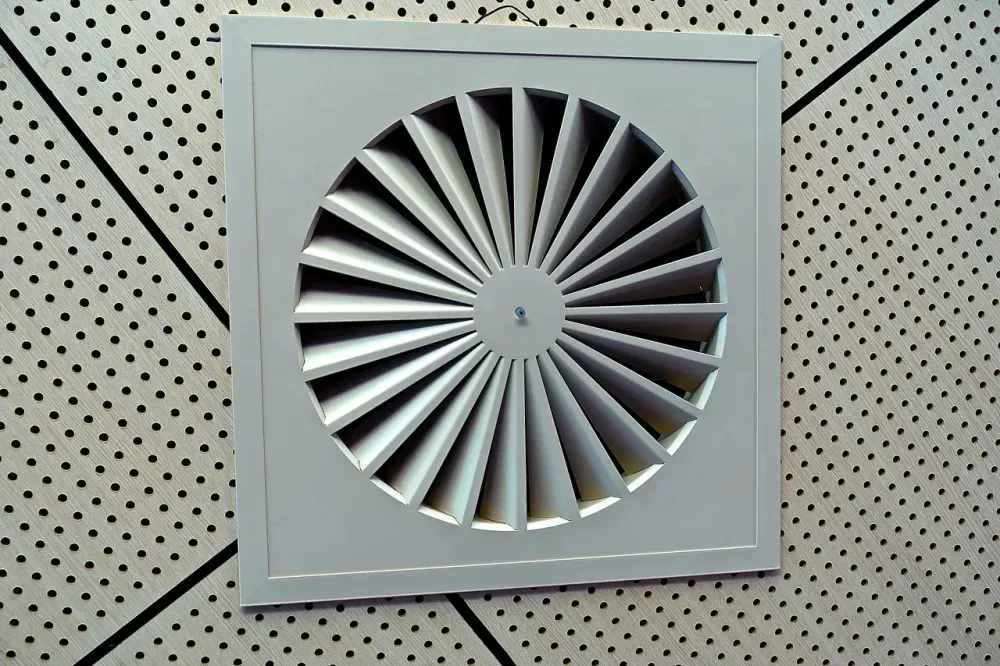
Mount high-static DC inverter exhaust fans on ceilings or exterior walls above litter boxes, wired with microwave motion sensors: when cats exit boxes, fans ramp up to maximum airflow for 10 minutes, venting odors outside before idling down to quiet trickle modes.
Air Purifier Integration: Selecting Filters that Decompose Ammonia
Position purifiers 1 meter from litter boxes: filters must incorporate high-iodine modified carbon or low-temperature catalysts that chemically decompose ammonia molecules into harmless nitrogen and water. Review electrical planning on our pricing framework.
Electrical Safety Rules: Chew-Proof Conduits and Dedicated Receptacles
Litter areas house robotic litter machines, exhaust fans, and air purifiers: never drape loose extension cords across floors where cats chew wires; hire licensed electricians to extend 2.0mm copper lines, mounting splash-proof receptacles 100cm above floors. Explore more in our appliance maintenance category.
| Odor Control System Category | Physical & Chemical Elimination Mechanism | Power Draw & Acoustic Profile | Odor Removal Efficiency Benchmark |
|---|---|---|---|
| Direct-Vented Ceiling Exhaust Fan | Extracts gas fumes directly out building | DC inverter 15W, quiet below 32 decibels | Highest efficiency, removes 100% of fumes |
| Modified Carbon Air Purifier | Adsorbs and decomposes ammonia gas | 8W idle to 45W turbo, quiet operation | Drops dust and odors by 80% within 3 minutes |
| Low-Concentration Ozone Generator | Oxidizes bacteria and airborne odor molecules | Timed 5W, strictly run while rooms are empty | High sanitizing, but pets must avoid high ozone |
| Traditional Scented Deodorant Gels | Fragrance chemicals masking human smell | Zero power, but contains artificial perfumes | Masks odor superficially, harms cat liver/kidneys |
Frequently Asked Questions
Do exhaust fans strictly require licensed electricians to pull fresh wiring?
While battery-powered fans exist, their airflow is too weak to overcome duct static pressure; hire certified electricians to extend 2.0mm copper circuits from lighting feeds, powering 110V or DC inverter blowers for durable, high-volume performance.
How frequently should air purifier filters be replaced beside cat litter boxes?
While standard homes replace filters annually, purifiers beside litter boxes collect heavy dust and ammonia; vacuum pre-filters biweekly, replacing composite carbon filters every 4 to 6 months when exhaust air smells sour.
Do exhaust fans operating 24/7 consume excessive power or risk motor overheating?
High-efficiency sealed DC inverter brushless motors draw only 10 to 15 watts, consuming under 0.3 kWh daily (costing only a few dollars per month), protected by internal thermal cutoff fuses for safe, continuous operation.
Related reading: Understanding Air Purifier CADR and Room Size Conversion · Bathroom Exhaust Fan Cleaning Frequency & Motor Safety Guide · Pet Odor Control: Ventilation, Carbon Filters, and Purifiers