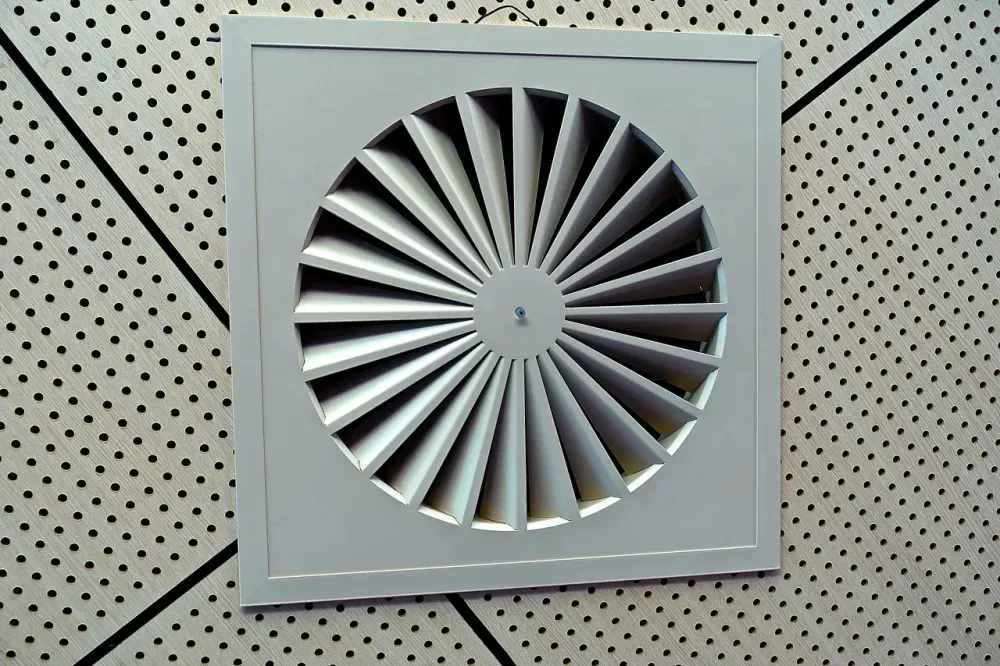
Looking up at your ceiling bathroom exhaust fan after warm showers, only to hear loud "humming... rattling" vibrations while steam lingers heavily across foggy mirrors—and discovering louvers packed with a thick 1-centimeter blanket of grey lint—is alarming! Homeowners assume ceiling fans never require maintenance; this is an oversight that sparks bathroom fires. How often should fans be cleaned? How do you service them safely? This guide breaks down maintenance protocols.
Looking for the Chinese version of this article?切換至繁體中文版 →
Bathroom Exhaust Fan Cleaning Frequency & Motor Safety Guide
This article is compiled from publicly available online sources for general reference only; readers should independently verify and judge its accuracy, and it is not legal, tax, medical or engineering advice. Rules, fees and subsidies change; check the latest notice from the responsible authority before acting. For electrical, gas, structural or health risks, consult a qualified professional.
This is the English edition of a Chinese article, adapted with AI assistance and checked against the original. Where the two differ, the Chinese version and the official sources it cites prevail.
Three Harms of Lint Accumulation: Blocked Airflow, Vibration, and Motor Burnout
Bathrooms concentrate towel fibers, hair, and moisture. Exhaust fans draw lint-laden humid air daily: first, air paths choke: exhaust capacity drops by over 80%, trapping bathroom humidity that fosters black ceiling mold; second, aerodynamic imbalance causes vibration: uneven lint deposits across centrifugal blower wheels trigger loud resonant rattling that loosens ceiling framing; third, motor overheating fire hazards: lint binds motor drive shafts, creating rotor stalls where motor coil temperatures spike, igniting dry lint inside ceiling cavities!
Cleaning Frequency: Washing Faceplates Quarterly, Deep Blower Cleaning Yearly
Maintain bathroom ventilation on a schedule: pull plastic faceplates down every 3 months, scrubbing pre-filter mesh under faucets; perform deep blower wheel maintenance once every 1 year, vacuuming compacted lint from blower fins to restore whisper-quiet exhaust performance.
Four Safe Step-by-Step Cleaning Procedures (Always Disconnect Power First!)
Servicing ceiling electrical fans involves 110V or 220V live power; execute these 4 procedures:
Step 1: Switching Off Dedicated Circuit Breakers and Wall Switches
Safety first! Locate dedicated bathroom lighting and ventilation breakers in main panels, flipping toggles to OFF; verify zero voltage with non-contact testers.
Step 2: Pulling Down Faceplates and Releasing Tension Springs
Standing on sturdy step ladders, pull plastic faceplates downward 5 centimeters to reveal V-shaped wire tension spring clips; squeeze spring legs inward to unhook faceplates for washing.
Step 3: Vacuuming Centrifugal Blower Wheels with Soft Brushes
Using paint brushes or old toothbrushes, brush lint cakes out of curved centrifugal turbine fins, vacuuming debris with narrow vacuum crevice wands (never spray water hoses into ceiling chassis to protect electronics!).
Step 4: Wiping Backdraft Dampers and Reassembling Units
Verify plastic backdraft flap dampers swing open freely under exhaust pressure, wiping edges clean; snap dry faceplates back into position, re-energizing breakers. Review rates on our pricing framework.
Three Signs It Is Time to Replace Aging Exhaust Fans
Decommission fans immediately when observing these 3 failure thresholds: first, spinning blower wheels by hand with power off reveals stiff, gritty friction: internal sintered bronze or ball bearings have dried up and seized; second, motors hum loudly upon energizing but blades refuse to spin: starting capacitors have failed or auxiliary windings are burned; third, units have operated for over 8 to 10 years with noise exceeding 55dB. Learn more in our appliance maintenance category.
Frequently Asked Questions
For windowless bathrooms, should you select conventional AC fans or DC inverter models?
Windowless bathrooms strongly warrant upgrading to 24-hour continuous DC inverter exhaust fans! Traditional AC fans consume high power (25W) and run noisy; modern brushless DC fans draw just 3 to 5W, operating 24/7/365 for under 80 NTD in electricity yearly, maintaining continuous negative-pressure draft that banishes humidity and sewer gas permanently.
Cleaning exhaust fans carries shock risks: book SOSFix professional fan servicing!
Leave ceiling electrical servicing to professionals. SOSFix technicians provide deep exhaust fan cleaning, silent DC inverter upgrades, and backdraft damper retrofits. For emergency repairs, call our 24-hour emergency repair service.
| Exhaust Fan Assembly | Chronic Lint Accumulation Defect | Standard Maintenance Service Protocol | Restored Performance & Safety Verification |
|---|---|---|---|
| Plastic Intake Faceplate | Louver slots choked, airflow drops 80% | Unclip V-springs, scrub under warm water | Restores intake airflow, eliminates mold film |
| Centrifugal Turbine Wheel | Imbalanced lint cakes cause loud vibration | Brush curved fins, vacuum lint cakes clean | Whisper-quiet run under 40dB, zero vibration |
| Backdraft Flap Damper | Grease jams flap open, sewer odors backdraft | Wipe damper flap, verify gravity drop-seal | Opens under exhaust, seals shut when powered off |
| Sintered Motor Bearings | Bearing oil dries, motor hums and burns | Lubricate bearings or replace with DC fan | Spins freely by hand, starts instantly on power |
Related reading: Litter Box Ventilation: Smart Exhaust Fans and Air Purifiers · Bathroom Exhaust Fan Selection and Backdraft Damper Setup