Within multi-family apartment buildings and older walk-ups, windowless bathrooms frequently endure relative humidity levels exceeding 85%, resulting in black mold across tile grout lines and stained silicone caulking. Many property owners rely on builder-grade ceiling exhaust fans, unaware that low-cost AC axial fans possess minimal static pressure, losing airflow when duct runs exceed 3 meters or navigate two 90-degree elbows. Furthermore, shared building vent stacks allow neighbors' cigarette smoke, cooking fumes, and sewer gases to backdraft into bathrooms through unsealed dampers. Upgrading to a "DC brushless high-static-pressure centrifugal exhaust fan," installing an "electric airtight backdraft damper," and automating "humidity-triggered delayed ventilation" creates a fresh, mold-free bathroom.
Bathroom Exhaust Fan Selection and Backdraft Damper Setup
This article is compiled from publicly available online sources for general reference only; readers should independently verify and judge its accuracy, and it is not legal, tax, medical or engineering advice. Rules, fees and subsidies change; check the latest notice from the responsible authority before acting. For electrical, gas, structural or health risks, consult a qualified professional.
This is the English edition of a Chinese article, adapted with AI assistance and checked against the original. Where the two differ, the Chinese version and the official sources it cites prevail.
Three Bathroom Exhaust Vulnerabilities: Airflow Loss, Backdrafts, and Premature Shutoffs
Bathroom ventilation engineering involves fluid dynamics and building envelope pressures:
1. Static Pressure Stall in Axial Fans: Builder-grade fans typically utilize axial impellers rated for 80 to 100 CMH (cubic meters per hour) in open laboratories. However, once connected to flexible aluminum ducts traversing ceilings, beams, and exterior louvers, system static resistance reaches 60 to 120 Pascals (Pa). Axial blades stall, dropping real-world airflow below 20 CMH, trapping steam inside.
2. Vent Stack Odor and Virus Infiltration: Multi-family bathrooms connect to common vertical ventilation shafts. Fan gravity flaps leave gaps of several millimeters. When stack thermal updrafts or rooftop winds pressurize the shaft, odors, moisture, and aerosols backdraft directly into apartment ceilings.
3. Switching Fans Off with Lights: Wiring fans in parallel with bathroom lights causes occupants to shut off fans upon leaving. Trapped moisture evaporates into the unventilated room, driving relative humidity to 95% within half an hour and accelerating fungal growth.
Exhaust Fan Comparison: Traditional AC Axial vs DC Inverter Centrifugal
When selecting ventilation hardware, static pressure capacity and energy efficiency serve as primary criteria:
| Ventilation Hardware Category | Static Pressure Capacity (Pa) | Rated Operating Power (W) | Acoustic Noise Rating (dBA) | Suitability for 24-Hour Operation |
|---|---|---|---|---|
| Traditional AC Axial Exhaust Fan | Very Low (30 to 50 Pa; stalls on long ducts) | High (25 W to 35 W continuous draw) | High (38 to 45 dBA motor hum) | Not recommended (high heat and energy use) |
| DC Brushless Centrifugal Exhaust Fan | Superior (120 to 180 Pa overcomes duct resistance) | Ultra-Low (3.5 W to 8 W power draw) | Ultra-Quiet (22 to 28 dBA at low speed) | Exceptional (supports 24-hour continuous run) |
| Multifunctional Bathroom Heater/Dryer | Excellent (centrifugal turbo blower, 150 to 220 Pa) | 15-25W ventilation; 1200-1400W heating | Smooth (35 to 42 dBA in turbo mode) | Supports timed drying and continuous ventilation |
Electric Airtight Backdraft Damper Architecture and Installation
Eliminating vent stack backdrafts requires replacing gravity flaps with motorized dampers:
1. Motorized Flap Actuation: Electric dampers incorporate micro-stepper motors. When the fan energizes, the motor rotates silicone-sealed butterfly valves 90 degrees open. When power cuts, spring linkages force valves shut against perimeter silicone gaskets, establishing an airtight seal that blocks stack odors.
2. Preventing Duct Sagging and Water Traps: Flexible 4-inch or 6-inch aluminum ducting must maintain a continuous downward slope of 1 to 2 degrees toward exterior louvers, avoiding sagging U-shaped water traps where condensation accumulates and chokes airflow.
Smart Humidity Sensor Automation and Delayed Exhaust Scheduling
Automating bathroom exhaust provides permanent defense against mold without requiring manual intervention:
1. Integrated Humidity Sensor Modules: Premium DC fans feature built-in electronic humidity sensors that cruise at an ultra-quiet 22 dB (approx 40 CMH) for continuous 24-hour baseline air exchange, ramping to turbo mode (150 to 200 CMH) when showers push humidity past 70%.
2. Smart Delay Timer Switches: Standard exhaust fans can be paired with delay timer switches or Zigbee/Matter wall modules linked to room humidity sensors. Programming fans to run 30 to 45 minutes after lights shut off until relative humidity drops below 60% clears residual moisture completely.
When designing dedicated circuits and wiring for bathroom exhaust fans and heaters, consult our wire gauge ampacity and breaker matching calculator to confirm breaker ratings, calculate power costs with our appliance electricity cost calculator, and examine our interactive home inspection checklist calculator for residential electrical upgrades.
Frequently Asked Questions
Will running a bathroom exhaust fan 24 hours daily cause high electricity bills?
No. DC variable-frequency exhaust fans consume merely 3.5 W to 5 W on continuous low-speed settings. Operating continuously for a full 30-day month consumes only 2.5 kWh to 3.6 kWh (5W x 24h x 30d ÷ 1000 = 3.6 kWh). At standard residential rates of NT$3.5 per kWh, monthly electricity costs range between NT$8 and NT$13—less than the price of a small beverage.
Can bathroom exhaust ducts discharge directly into drop ceiling plenums?
No, this is a dangerous installation defect. Discharging warm, humid shower steam into ceiling voids corrodes steel furring channels, rots framing, causes calcium silicate ceiling boards to sag, and spawns toxic mold colonies. Humidity entering junction boxes also risks electrical shorts. Exhaust ducts must vent directly to vertical building vent stacks or exterior weather louvers.
Must exhaust fan grilles be removed for cleaning, and does dirt restrict airflow?
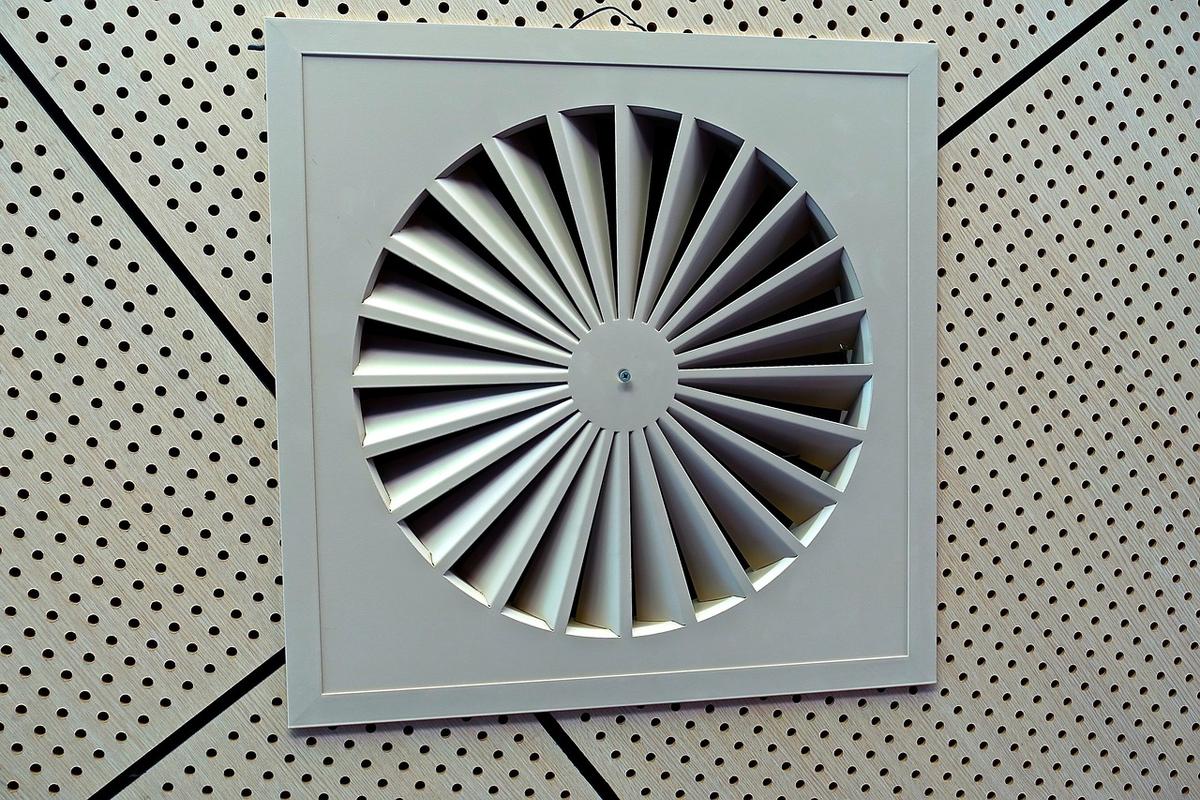
Yes. Bathroom air carries vaporized body oils, lint, and hair that clog fan grilles and filters within 3 to 6 months. Clogged intakes reduce airflow by over 50%, forcing motors to run hot and generate wind noise. Grilles should be removed quarterly and washed with warm soapy water.
Sources and References
Building ventilation safety standards and energy-efficiency guidelines:
- National Land Management Agency, MOI: Building Technical Regulations Chapter 10 Ventilation Standards
- Energy Label Taiwan, MOEA: Ventilating Fan Energy Efficiency Benchmark Standards
Disclaimer: This technical guide is compiled from public engineering references and building standards. Actual on-site conditions vary across individual properties; readers should evaluate technical applicability carefully and consult qualified trade professionals.
Related reading: Bathroom Exhaust Fan Cleaning Frequency & Motor Safety Guide · Kitchen Backdraft Damper Guide for Taipei Homes · Damp Basement: Dehumidifier Drainage, Fans, Condensation · Plants in a Windowless Bathroom: Humidity and Exhaust Fans