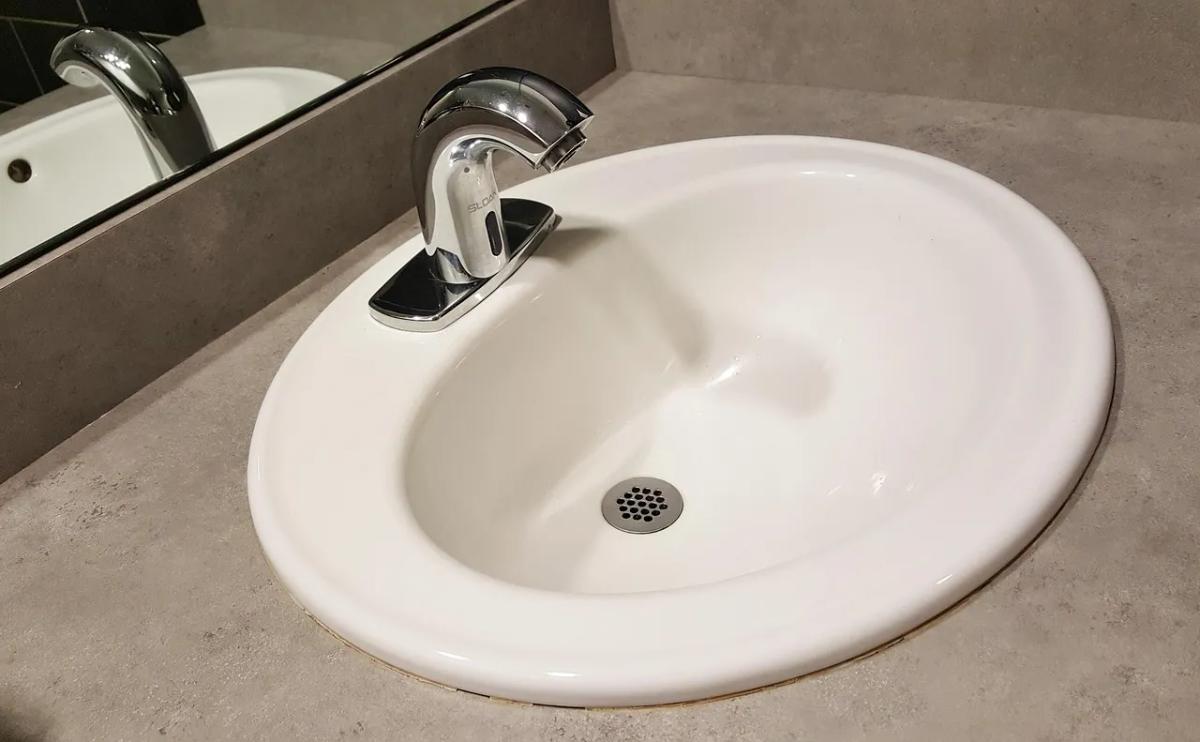
Those tiny, dark, moth-like insects resting motionlessly on bathroom walls that only flutter when disturbed are usually drain flies (moth flies). Their larvae live inside organic biofilm sludge lining drain pipes, floor wastes, and soggy floor crevices; swatting adult flies is useless without scrubbing away organic sludge, drying standing water, and installing insect-proof drain covers. According to guidance from the Environmental Protection Administration (now Ministry of Environment), standard home control does not require synthetic chemical pesticides, provided indoor areas eliminate standing moisture and waterlogging.
Looking for the Chinese version of this article?切換至繁體中文版 →
How to Eliminate Bathroom Drain Flies in Taiwan
This article is compiled from publicly available online sources for general reference only; readers should independently verify and judge its accuracy, and it is not legal, tax, medical or engineering advice. Rules, fees and subsidies change; check the latest notice from the responsible authority before acting. For electrical, gas, structural or health risks, consult a qualified professional.
This is the English edition of a Chinese article, adapted with AI assistance and checked against the original. Where the two differ, the Chinese version and the official sources it cites prevail.
This article synthesizes official publications from the Ministry of Environment and the Taipei Water Department (臺北自來水事業處), guiding you through locating breeding sites, mechanical scrubbing methods, drain trap covers, and when to hire professional pest control operators.
Understanding Drain Flies: Where Do They Come From?
In a press release issued on May 16, 2005 (Republic of China year 94, month 5, day 16), the Environmental Protection Administration invited Professor Hsu Er-lieh from the Department of Entomology at National Taiwan University to clarify facts regarding drain flies:
- Appearance: Broad, rounded, moth-like wings of greyish-black coloration or mottled with white spots; they rest flat against walls and take flight weakly only when disturbed, settling quickly nearby. They are also known as moth flies or filter flies.
- Species: A total of 22 drain fly species are documented in Taiwan, with Clogmia albipunctata and Psychoda alternata representing the predominant domestic indoor species.
- Larval habitats: Indoor and outdoor standing water and moist zones, such as washbasin overflows, soggy floor tiles, sub-sink drainage gullies, cesspools, wastewater pits, polluted ditches, and organic sludge shores.
- Adult resting sites: Frequently seen resting on kitchen sink surrounds or bathroom tile walls.
- Disease transmission and biting: Larvae residing in sewage may mechanically carry pathogens, but low adult flight activity results in minimal disease transmission risk; there are zero documented reports of drain flies biting humans in Taiwan.
In short, drain flies represent an environmental sanitation nuisance rather than a biting vector threat. Adult flies seen in bathrooms hatch from thin slime layers lining drain lips; until that organic sludge is eliminated, adults will continuously emerge.
Locating Breeding Sources: Bathroom Inspection Checklist
The Ministry of Environment press release clearly defines breeding conditions: standing moisture, soggy pooling, and organic residue. The following checklist outlines domestic inspection areas (inspection protocols represent recommended practice):
| Location | Why Larvae Breed There | Inspection and Action | Source |
|---|---|---|---|
| Floor drain interior lip and strainer cup | Hair, soap scum, and skin flakes form black biofilm sludge | Remove strainer grate, inspect wall sludge, scrub with stiff brush, and install cover | EPA 94-05-16 Bulletin (strainer covers); scrubbing is recommended practice |
| Under vanity basin and kitchen sink | P-trap weeping joints keep cabinet baseboards continuously saturated | Feel cabinet floor for moisture and check slip nuts; repair leaks before cleaning | EPA bulletin lists sub-sink drainage zones as breeding grounds |
| Flooring and perimeter tile grout | Floors fail to dry after showers, pooling water in degraded grout seams | Squeegee water and run ventilation fans; check drainage slope or waterproofing (防水) leaks | EPA bulletin lists soggy floor and wall corners |
| Infrequently used drains in guest baths | Stagnant water in P-trap / drain trap (存水彎) collects decaying organic debris | Flush regularly with fresh water, and install silicone seals when idle | Recommended practice |
| Faucet spout aerators | Humid conditions allow flies to crawl up waste pipes and harbor in spouts | Improve drainage and surround hygiene; contact Taipei Water Department (北水處) for water testing | Taipei Water Department Customer Water Quality FAQs |
The Taipei Water Department noted in customer FAQs that insects emerging from spouts typically crawl upward from waste pipes due to surrounding dampness; remedial action focuses on plumbing fixtures, rooftop water tank (水塔) environments, and drainage lines rather than municipal water supplies.
If bathroom floors remain persistently wet, see our diagnostic guide on bathroom floor moisture leak diagnosis.
Eradication SOP: Scrub Sludge, Eliminate Moisture, Install Covers
- Dispatch adult flies physically without chemical sprays. The Ministry of Environment notes adult flies fly poorly; mechanical fly swatters, electric swatters, and vacuum cleaners are highly effective without chemical pesticides.
- Detach drain grates and scrub internal slime. Use an old toothbrush or bottle brush to thoroughly scrub black biofilm sludge from strainer cups, pipe lips, and reachable trap walls, flushing residue with clean water. Removing this organic matter starves larvae.
- Dry out all standing moisture pooling. Squeegee shower floors after bathing and run exhaust ventilation fans or dehumidifiers. If exhaust fans are noisy or jammed, see bathroom exhaust fan repair.
- Fit drains with insect-proof trap covers. The EPA specifically mandates installing insect-proof drain covers or mesh strainers over floor wastes, tubs, and basin overflows to block pipe ingress.
- Monitor bathroom for 1 to 2 weeks. If flies reappear after removing adults, undetected standing water remains; re-inspect using the checklist above.
If floor drains emit odors or gurgling sounds, dry traps or ventilation imbalances are often present; review P-trap failure and utility shaft odor sealing, drainpipe gurgling noise causes, and DIY drain unclogging techniques.
Important Safety Rules When Using Bleach or Drain Cleaners
Pouring bleach down drains is a common reaction, but bleach will not eliminate larvae without physical sludge removal. If sanitizing drain lips, strictly follow dilution and chemical safety directives from the Taiwan Centers for Disease Control (Taiwan CDC) under the Ministry of Health and Welfare (衛生福利部, 衛福部):
- Taiwan CDC guidelines (amended June 2019) specify commercial sodium hypochlorite bleach has a 5 to 6% concentration; standard environmental disinfection uses 500 ppm, requiring a 100-fold dilution (10 c.c. bleach per 1 liter cold water), mixed fresh and discarded after 24 hours.
- Bleach must never be combined with household cleaning agents; mixing bleach with acidic cleaners (such as toilet bowl descalers or hydrochloric acid) releases toxic chlorine gas causing severe chemical injuries or fatalities. Wash with detergents first, rinse completely with water, and only then apply bleach.
- The Ministry of Environment Chemical Knowledge Map warns that bleach must never be mixed with vinegar, ammonia, or alcohol; mixing separate brand drain openers risks thermal explosions, while baking soda mixed with vinegar in sealed narrow bottles will burst violently. Use one cleaning product at a time under good ventilation while wearing gloves.
Regarding pesticides, the EPA advises chemical insect growth regulators or sprays only when severe outdoor wastewater breeding occurs, preferably applied by licensed pest control operators. Follow product label directions precisely.
When to Hire Professional Assistance
- Flies continue emerging daily despite spotless drains and covers: Concealed breaches in building utility shafts or communal stacks may exist; hire a plumber/electrician (水電師傅) for pipe camera endoscopy or notify your management committee (管委會).
- Vanity cabinets suffer persistent moisture rot: Repair plumbing leaks immediately. Use our repair quotation generator to organize repair items before requesting contractor quotes in plumbing and electrical work.
- Severe breeding infests basement sump pits or septic tanks: The management committee (管委會) must engage licensed pest control operators for commercial treatment.
- Rental properties: For landlord vs tenant responsibilities regarding building drainage and waterproofing, refer to our rental repair responsibility guide.
Frequently Asked Questions
Do drain flies bite humans or transmit communicable diseases?
According to EPA documentation, there are zero recorded instances of drain flies biting humans in Taiwan. While larvae inhabit wastewater and carry pathogens mechanically, low adult mobility makes disease transmission improbable, making them primarily a sanitary annoyance.
Can pouring boiling hot water or bleach down drains kill drain fly larvae?
Official EPA guidance does not list boiling water or bleach as definitive remedies. Official eradication relies on eliminating standing water and fitting insect-proof covers. If using bleach to sanitize, adhere strictly to the Taiwan CDC 500 ppm dilution ratio and never mix with acids.
Why do flies persist after installing insect-proof drain covers?
Drain covers block insects flying up through communal sewer pipes. If larvae breed inside the strainer cup, tile grout cracks, or soggy cabinet floors inside the bathroom, drain covers cannot stop them. Clean and dry these surfaces, observing results over 1 to 2 weeks.
Are drain flies the same as dengue fever mosquitoes?
No. Dengue vectors (Aedes aegypti and Aedes albopictus) breed strictly in clean, stagnant container water rather than contaminated sewage drains, whereas drain flies breed in organic sludge wastewater. For home mosquito container checks, see our household dengue container checklist.
Last updated: 2026-10-30
This article is compiled from public documentation by SOSfix for general reference; consult the Ministry of Environment, local environmental protection bureaus, or licensed pest control firms for specific cases.
Sources
- Ministry of Environment News: How to Control Bathroom Drain Flies (EPA Toxic Substances Control Bureau, 94-05-16 / May 16, 2005): appearance, 22 species in Taiwan, larval habitats, zero biting records, physical fly swatter dispatch, drain covers, and outdoor pest control.
- Taipei Water Department: Customer Water Quality FAQs (updated 111-07-14 / July 14, 2022): causes of insects at water taps (insects crawling up drains due to humidity) and environmental remedies.
- Taiwan Centers for Disease Control (Taiwan CDC): Enterovirus Disinfection Notes (revised June 2019): 5 to 6% sodium hypochlorite bleach, 500 ppm environmental dilution (1:100 ratio), cold water mixing, 24-hour disposal, and avoiding acid mixtures.
- Ministry of Environment Chemical Knowledge Map: Never Mix Household Cleaners (published 111-01-02 / January 2, 2022): prohibiting bleach mixtures with acids, vinegar, ammonia, or alcohol, avoiding drain cleaner mixtures, and using single products.
- Taiwan Centers for Disease Control (Taiwan CDC): Vector Mosquito Breeding Sites and Removal: distinguishing dengue container breeding from organic wastewater drain fly habitats.
Related reading: Effective Home Cockroach Control and Removal Guide · Eliminate Kitchen Fruit Flies: Traps and Source Removal