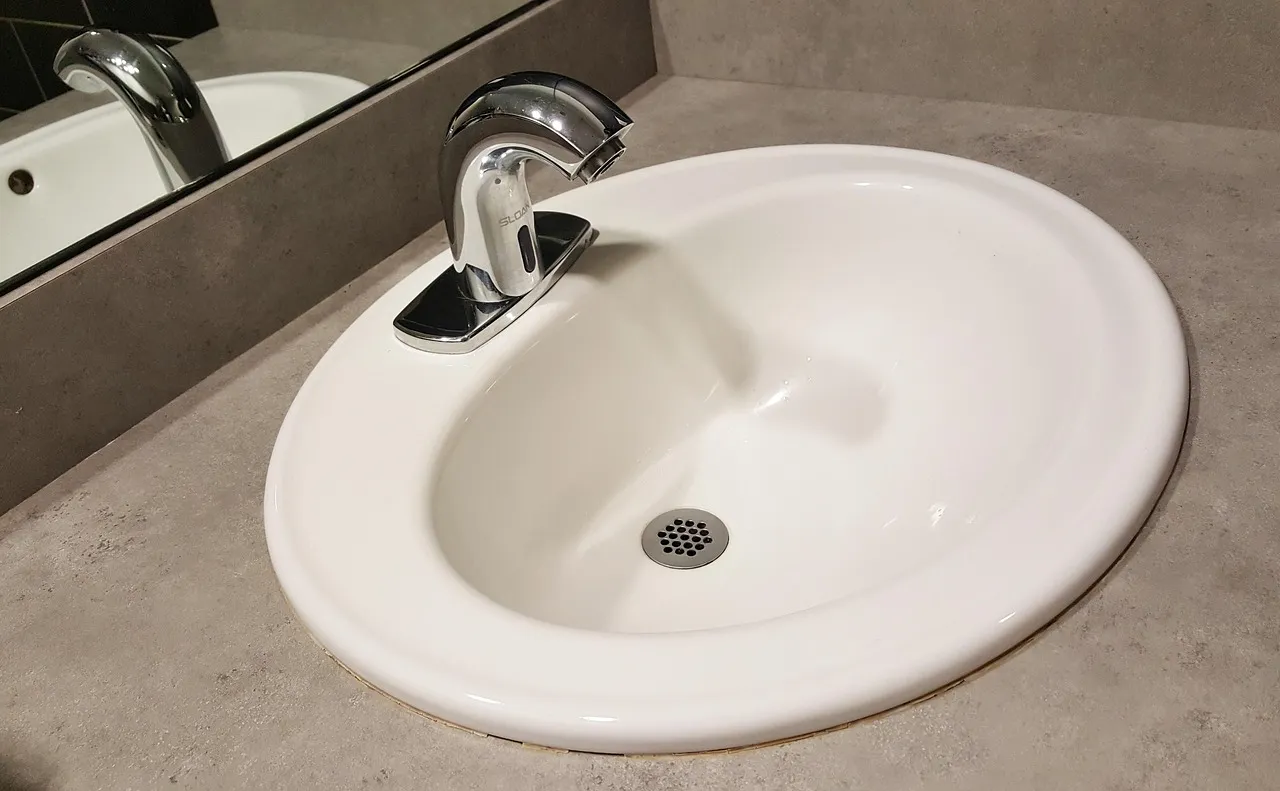
To eliminate kitchen fruit flies, tackle the breeding sources rather than spraying insecticides continuously: refrigerate, eat, or discard overripe or damaged fruits and vegetables, empty food waste and recycling bins daily, clean sink strainer baskets, seal pickled goods, and handle tea leaves and fruit peelings. Catch remaining adults using a glass jar containing a little apple cider vinegar fitted with a rolled paper cone funnel. The Chemicals Administration, Ministry of Environment explains that adult fruit flies are about 2 mm long, yellow-orange with red eyes. A female can lay more than 500 eggs over a lifespan of half a month to 1 month. At 25°C, development from egg to adult takes about 10 days, peaking in autumn when they frequently enter homes.
Eliminate Kitchen Fruit Flies: Traps and Source Removal

This article is compiled from publicly available online sources for general reference only; readers should independently verify and judge its accuracy, and it is not legal, tax, medical or engineering advice. Rules, fees and subsidies change; check the latest notice from the responsible authority before acting. For electrical, gas, structural or health risks, consult a qualified professional.
This is the English edition of a Chinese article, adapted with AI assistance and checked against the original. Where the two differ, the Chinese version and the official sources it cites prevail.
Note: Small flying insects in the kitchen are not necessarily fruit flies. Those emerging from floor drains may be moth flies or scuttle flies (phorid flies), while those near houseplants may be fungus gnats. Different breeding sites require different approaches. Extension materials from the University of Kentucky (ENTFACT-621) emphasize that without eliminating breeding sites, fly problems will persist no matter how often insecticides are sprayed. Ecological data in this guide is compiled from the Chemicals Administration's fly ecology information released in year 108 (October), the University of Kentucky, and UC IPM.
First Identify: What Type of Small Kitchen Flying Pest Is It
| Pest | Appearance and Behavior | Source Location | Management Focus |
|---|---|---|---|
| Fruit Fly (黃果蠅) | About 2 mm long, yellow-orange with red eyes (Chemicals Administration); Kentucky describes light tan front body and dark rear body | Overripe or fermenting fruit, wine dregs, unsealed pickle jars, old tea leaves and fruit peelings, sink strainers; also drains, empty bottles and cans, garbage cans, damp mops and cleaning rags | Clear breeding sources plus traps |
| Phorid Fly / Scuttle Fly (蚤蠅) | Yellow-brown to dark brown, arched thorax resembling a hump; runs erratically or springs away like a flea when disturbed | Moist decaying organic matter; larvae breed in vertical soil pipes, drainage ditches, bathrooms, kitchens, garbage cans, food waste bins, pipe chases, and basements | Clean organic residue from drain pipes and trash cans |
| Fungus Gnat (蕈蚋) | Dark, slender, mosquito-like with antennae longer than head; often rests on potting soil surface or flies weakly toward windows (UC IPM) | Damp potting soil, compost, and organic matter in indoor potted plants | Reduce watering, let surface soil dry out, use yellow sticky traps |
| Moth Fly (蛾蚋) | See dedicated guide for visual identification | Bathroom and kitchen floor drains | See our moth fly removal guide |
To identify the breeding source, the University of Kentucky recommends a simple method: when suspecting a sink drain or garbage disposal, tape a clear plastic bag over the opening overnight; if small flies appear inside the next morning, they are breeding in that drain.
Find Breeding Sources: Kitchen Inspection Checklist
The University of Kentucky points out that a single rotting potato or onion forgotten at the back of a cupboard, spilled juice under the refrigerator, or an unwashed recycling container can breed thousands of fruit flies. Because larvae feed on the surface of fermenting matter, trimming away overripe or damaged portions is sufficient without throwing away the entire item. Key actions based on the Chemicals Administration and Kentucky guidelines:
- Produce: Consume ripe produce promptly, refrigerate, or discard; seal fruit peels from bananas, pineapples, and custard apples in small bags (Chemicals Administration).
- Kitchen Sink: Clean food residue from sink strainer baskets daily; wash dish sponges and scrubbers frequently (Chemicals Administration).
- Pickles and Fermentables: Keep jars of preserved or fermented foods sealed; securely cap home-fermented vinegar and brewing vessels so flies cannot lay eggs under lids (Kentucky).
- Recycling: Rinse recyclable containers with water or detergent before sorting (Chemicals Administration); empty bottles and cans breed flies. For recycling rules in Taipei and New Taipei, see recycling sorting guide.
- Food Waste and Garbage: Use a sealed lid on food waste bins and empty daily; for kitchen waste sorting rules in Taipei and New Taipei, see kitchen waste guidelines.
- Damp Mops and Rags: Wash and hang dry floor mops and wiping rags after cleaning food spills, preventing flies from laying eggs in sour cloth fibers.
DIY Fruit Fly Trap Bottle
The University of Kentucky recommends a simple trap to capture remaining adult flies once breeding sources are removed:
- Take a clean glass jar and pour in a small amount of apple cider vinegar (a few ounces, roughly a few dozen milliliters).
- Roll a piece of paper into a funnel cone, leaving an opening of about 1 to 2 mm at the tip.
- Insert the cone funnel into the mouth of the jar with the pointy tip facing down, ensuring the paper edges seal tightly against the jar rim so flies cannot escape around the sides.
- Place the trap near fruit bowls or kitchen counters; fruit flies enter through the funnel tip toward the vinegar aroma but cannot find their way back out.
Should You Spray Insecticide
The University of Kentucky notes that pyrethrin aerosol sprays should only be used to eliminate lingering adult flies after breeding sites are thoroughly eliminated; if breeding sources remain, spraying will never solve the problem. Chemicals Administration guidelines likewise prioritize environmental sanitary management over chemicals, reserving insecticides for sudden infestations. If spraying is necessary, observe these safety precautions:
- Evacuate people and domestic pets from the room, and cover dining utensils and fish tanks before spraying.
- Close doors and windows tightly during application, wait 30 minutes, then open windows thoroughly for ventilation before re-entering.
- Never spray directly toward flames, open fires, human bodies, or food preparation areas; children must never spray insecticides.
- Check the product label for legal environmental agent registration numbers approved by the environmental protection authority.
Block Fruit Flies from Outside
The University of Kentucky recommends installing well-fitted window screens with a 16 mesh (16-mesh) screen size; the Chemicals Administration also lists tight screens and screen doors as primary physical barriers. To replace damaged screening, see window screen replacement DIY steps. When bringing fruits and vegetables home from markets, check for damage, wash them, or refrigerate promptly to avoid bringing eggs indoors, as Kentucky entomologists note that fruit flies frequently enter homes on already infested produce.
Black Flies Around Houseplants: Fungus Gnat Control
If tiny black insects are concentrated around houseplants and crawling on the soil surface, they are likely fungus gnats. UC IPM explains that adult fungus gnats do not bite humans or harm foliage, though they are annoying; larvae feed on damp organic matter in potting soil and may damage roots when populations are high. At 75°F (about 24°C), eggs hatch in about 3 days, larvae pupate in about 10 days, and adults emerge in about 4 days, completing a generation in approximately 17 days. Key control steps:
- Avoid overwatering and ensure good drainage; allow the surface soil to dry out between waterings.
- Eliminate standing water in saucers and repair leaky plumbing pipes or irrigation fixtures.
- Cut yellow sticky cards into small pieces and stake them in potting soil to trap adults; place raw potato slices flat on the soil to monitor for larvae.
Frequently Asked Questions
Where do kitchen fruit flies come from?
The Chemicals Administration states that fruit flies lay eggs in rotting fruit, wine residue, and fermented items. The University of Kentucky notes they are often brought inside on infested produce or enter through loose door and window screens. At 25°C, they complete a life cycle in about 10 days, causing populations to surge quickly if overlooked.
Should traps use apple cider vinegar or bananas?
The University of Kentucky method uses a glass jar with a paper cone funnel, baited with either a small splash of apple cider vinegar or a slice of ripe banana. Traps only capture existing adults, so breeding sources must be eliminated concurrently.
Are bugs flying out of floor drains fruit flies?
Not necessarily. While fruit flies can feed on drain scum, the Chemicals Administration notes that phorid fly larvae thrive in drain pipes, ditches, and waste bins, whereas bathroom floor drains are typically infested by moth flies. Test with the Kentucky plastic bag method overnight.
Can fruit flies transmit diseases?
The University of Kentucky explains that while fruit flies are primarily nuisance pests, they can transfer bacteria and other pathogens onto clean food. If fruit flies have landed on cut fruit, discard or cut away the exposed surface before eating.
Can spraying insecticides solve the problem at once?
No. University of Kentucky specialists emphasize that unless breeding grounds are eliminated, spraying will only provide temporary relief and flies will return; sprays only help knock down leftover adults.
Last updated: 2026-11-03
This article is compiled from public government and university extension data for general reference; for specific severe pest cases, consult local environmental protection bureaus or the Chemicals Administration, Ministry of Environment.
Sources
- Chemicals Administration, Ministry of Environment: Fly Ecology and Control Data (Published 108-10-22, verified 2026-11-02): Fruit fly adult about 2 mm, yellow-orange, red eyes, lays over 500 eggs, completes cycle in 10 days at 25°C, autumn peak, breeds in sink strainers, pickle jars, tea dregs, and fruit peels; phorid fly appearance and drain breeding; screens, clearing ditches, sink cleaning, sealing scraps, washing recycling, closing fermented food, washing sponges; bait, pyrethroid spray, or sticky traps for sudden surges.
- University of Kentucky Entomology: ENTFACT-621 Fruit Flies (Revised 3/26, verified 2026-11-02): Adults about 1/8 inch with red eyes, breed in overripe fermenting produce and drains, empty bottles, garbage cans, mops; cut away damaged parts; single rotten potato breeds thousands; sealed containers, 16 mesh screens, plastic bag drain test, sprays fail without sanitation, pyrethrum spray for adults, cider vinegar or banana funnel traps, food contamination risk.
- University of California Statewide IPM Program: Pest Notes: Fungus Gnats (UC ANR Publication 7448, verified 2026-11-02, page undated): Fungus gnat appearance, long antennae, potting soil breeding, adults do not bite, 75°F cycle with 3 / 10 / 4 days and 17 days per generation, avoid overwatering, let topsoil dry, yellow sticky traps, potato slice inspection.
- Chemicals Administration, Ministry of Environment: Environmental Pesticide Usage Guidelines (Published 108-10-21, verified 2026-11-02): Application methods, spray precautions (evacuate people and pets, cover tableware and fish tanks, close doors and windows for 30 minutes then ventilate, avoid fire, bodies, food, keep away from children), mosquito coil safety.
- Chemicals Administration, Ministry of Environment: Repellent Safety Campaign (Published 108-10-24, verified 2026-11-02): 4 key rules for safe environmental pesticide usage, official permit formats (環部/環署衛製字, 衛輸字, 環衛藥防蟲字), online inquiry system.
Related reading: Taipei Commercial Kitchen Grease Trap and MEP Design Guide