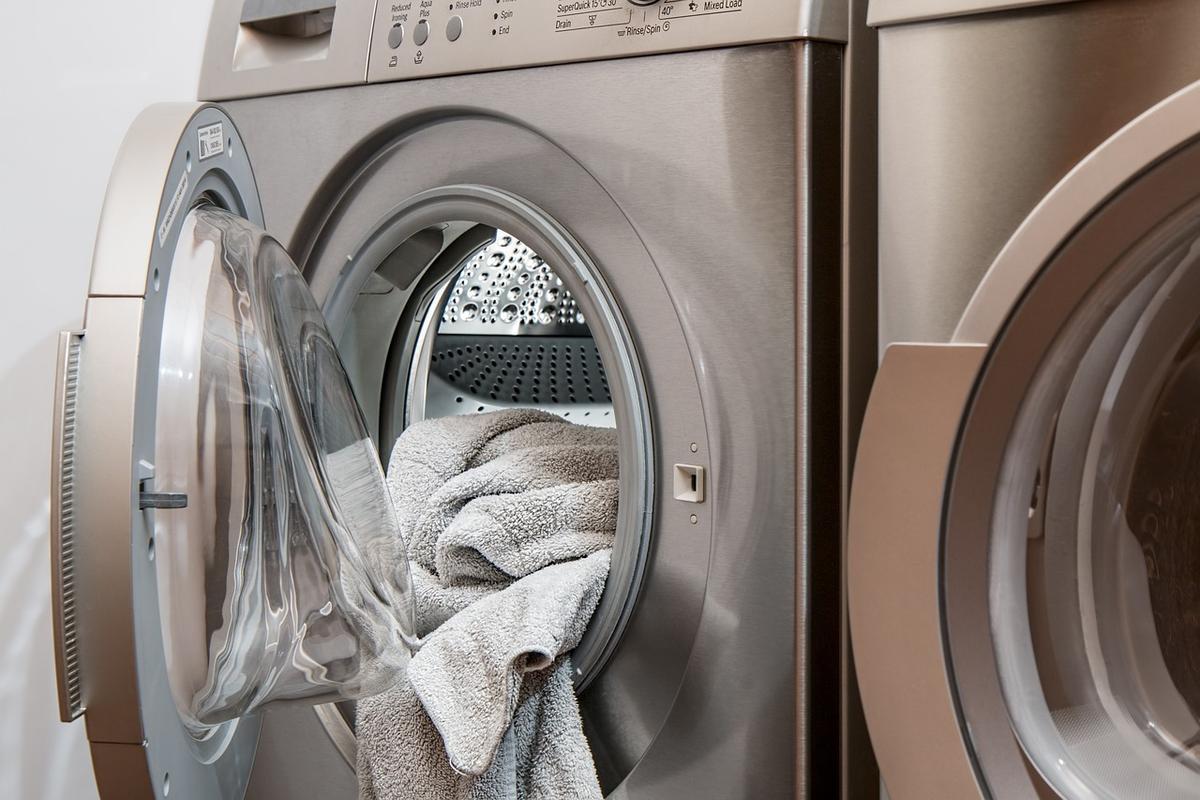
Taiwan's humid subtropical climate brings continuous rainy weather during spring plum rains, autumn monsoons, and south wind condensation cycles, leaving balcony-hung laundry damp for days with musty odors; consequently, washer-dryer combos and independent heat pump clothes dryers represent essential appliances for modern households. However, many homeowners discover during delivery that balcony drainage holes cannot accommodate multiple hoses without overflowing, circuits overheat and trip breakers, or installing units inside tight cabinetry triggers compressor thermal cutouts. In thermodynamic and electrical engineering, heat pump dryers function as closed-loop refrigeration dehumidification systems requiring continuous condensate drainage, dedicated branch circuits handling inrush currents, and ample ventilation clearances. Without pre-planning plumbing and electrical infrastructure, drying efficiency drops while risks of electrical fires and balcony water damage multiply. Detailed advance planning guarantees warm, dry laundry throughout the year.
Heat Pump Dryer and Washer Combo Electrical Drainage Setup
This article is compiled from publicly available online sources for general reference only; readers should independently verify and judge its accuracy, and it is not legal, tax, medical or engineering advice. Rules, fees and subsidies change; check the latest notice from the responsible authority before acting. For electrical, gas, structural or health risks, consult a qualified professional.
This is the English edition of a Chinese article, adapted with AI assistance and checked against the original. Where the two differ, the Chinese version and the official sources it cites prevail.
Combating Damp Climates: Washer-Dryer Combos vs Independent Heat Pump Dryers
Selecting drying appliances requires understanding fundamental thermodynamic differences between competing designs:
1. All-in-One Washer-Dryer Combos: These units integrate washing and heated-air drying within a single drum, utilizing electric PTC resistance coils or water-condensing loops (consuming municipal water to cool exhaust steam). While eliminating laundry transfers and saving space, drying capacity is roughly half washing capacity (e.g., washing 12 kg but drying only 7 kg); high electrical resistance heating draws 1,200 to 1,400 watts, and intense heat risks shrinking delicate cotton garments.
2. Independent Heat Pump Dryers: Heat pump units contain self-contained refrigeration circuits with compressors, evaporators, and condensers. Operating as closed-loop dehumidifiers at gentle temperatures between 55°C and 60°C, they protect fabrics while reducing energy consumption by over 65% (drawing only 500 to 800 watts). However, condensate must drain continuously, and chassis heat exchangers require constant ambient airflow for heat rejection.
Three Mandatory Physical Installation Requirements
Plumbing and electrical technicians evaluate balconies and utility spaces against three core engineering criteria:
| Hardware Evaluation Dimension | Standard Construction Specifications and Parameters | Severe Failure Risks and Non-Compliant Hazards |
|---|---|---|
| Dedicated Condensate Drainage | Never share single floor drains with washers; install dual standpipes or anti-overflow Y-adapters | High-velocity washer discharge creates backpressure, flooding soapy wastewater across floors into dryer bases |
| Dedicated Electrical Branch Circuits | Provide dedicated 110V/15A or 220V no-fuse breaker (NFB, 無熔絲開關) branch circuits with conductors measuring at least 2.0mm or 3.5mm² | Sharing circuits with water heaters or microwaves triggers nuisance breaker tripping from inrush current surges |
| Chassis Ventilation Clearances | Maintain 10cm clearances at sides and rear, leaving 20cm unobstructed space along intake and exhaust grilles | Enclosing units in airtight millwork traps heat, triggering compressor high-pressure lockouts and quadrupling cycles (from 1.5 to 4 hours) |
Plumbing Details: Anti-Backflow Standpipes and Dual Drain Adapters
Balcony drainage failures represent the most common operational challenge for heat pump dryers:
1. Washer Pump Discharge Velocity: Modern front-load washing machines feature high-output pumps discharging 30 to 45 L/min. Forcing small 8mm dryer condensate hoses into standard 1.5-inch (40mm) floor drains alongside washer hoses creates severe backpressure, pumping wastewater backward into dryer chassis and contaminating sanitized clothes.
2. Dual Anti-Siphon Standpipes and Adapters: Install dedicated dual-inlet drainage adapters incorporating silicone check valves and airtight gaskets, or extend drain lines vertically into 60cm to 90cm PVC standpipes, inserting dryer hoses above standing water lines with air gaps to eliminate siphonage.
Electrical Planning: Dedicated 110V vs 220V Branch Circuits
Power configurations directly govern appliance performance, reliability, and fire safety:
1. European 220V Import Models: Premium heat pump dryers native to Europe run on single-phase 220V supplies, achieving superior compressor efficiency and low operating currents between 3 and 4 amperes. If balconies lack 220V power, electricians must run dual hot conductors and a ground wire from main distribution panels to 2P 15A breakers; never use cheap aftermarket step-up transformers prone to overheating fires.
2. Taiwanese 110V Domestic Models: Domestic Japanese and Korean models operate on 110V circuits. While rated at 700 watts running power, compressor locked-rotor startup currents (LRA) reach 3 to 5 times operational ratings. Aged 1.6mm branch conductors suffer voltage drops that cause lights to flicker, demanding dedicated 2.0mm copper wiring with ground-fault protection.
Aesthetics and Ventilation: Mitigating Thermal Buildup in Built-in Cabinetry
Enclosing washers and dryers within airtight millwork creates severe thermal throttling:
1. Heat Pump Rejection Dynamics: During cycles, lower cooling fans continuously draw ambient air across refrigeration condensers to reject absorbed heat. Tight cabinetry drives internal temperatures past 45°C within 30 minutes, elevating refrigerant pressures until high-pressure safety switches trip error codes.
2. Cabinetry Ventilation SOP: Built-in installations must incorporate louvered doors or perforated metal grilles, with slotted convective vents at baseboards and tops, preserving at least 10cm of rear air circulation to permit convective heat rejection.
When verifying balcony drainage capacity and electrical circuits, consult our wire gauge ampacity and breaker matching calculator to confirm wire sizes, evaluate energy usage with our appliance electricity cost calculator, and examine our interactive home inspection checklist calculator to audit utility connections during move-in.
Frequently Asked Questions
Can I install a heat pump dryer if my balcony has no floor drain?
Yes. Heat pump dryers feature integrated pull-out condensate collection tanks (typically holding 4 to 5 liters). Without external drains, internal pumps route condensate into top reservoirs, allowing homeowners to empty water into sinks after drying cycles. Alternatively, plumbers can run 8mm pressure tubing along baseboards or drop ceilings to route drainage into kitchen sink traps meters away, overcoming drainage constraints.
What structural precautions are required when stacking dryers directly above washing machines?
Stacking saves footprint, but requires strict structural compliance. First, the lower unit must be a front-load washer certified for dynamic loads; top-load washers cannot be stacked underneath. Second, installers must use manufacturer metal stacking kits to lock dryer feet securely to washer top panels, preventing spinning vibrations from shaking dryers off. Third, stacked controls sit 160cm to 175cm high; homeowners should select models with smartphone app controls or synchronized control panels for convenient operation.
Why do clothes feel slightly cool and damp when removed from heat pump dryers?
This is normal physics rather than an equipment defect. Conventional dryers bake fabrics with 70°C to 80°C hot air, discharging piping-hot clothes. Heat pump units dry gently at 55°C, concluding with cool-down anti-wrinkle tumble cycles. When warm fabrics contact cooler room air, rapid surface evaporation creates an evaporative cooling sensation that mimics dampness. Shaking garments twice dispels residual vapor, revealing soft, fully dry fibers within seconds.
Sources and References
Standards referenced from national appliance safety and energy efficiency agencies:
- Bureau of Energy: Energy Label Efficiency Standards and Heat Pump Dryer Testing
- Bureau of Standards, Metrology and Inspection: Clothes Dryer Safety Codes (CNS 60335-2-11)
Disclaimer: This technical guide is compiled from public engineering references and building standards. Actual on-site conditions vary across individual properties; readers should evaluate technical applicability carefully and consult qualified trade professionals.
Related reading: Clothes Dryer Comparison: Heat Pump vs Electric vs Gas · Damp Laundry in Taiwan: Dehumidifier Room vs Heat Pump Dryer