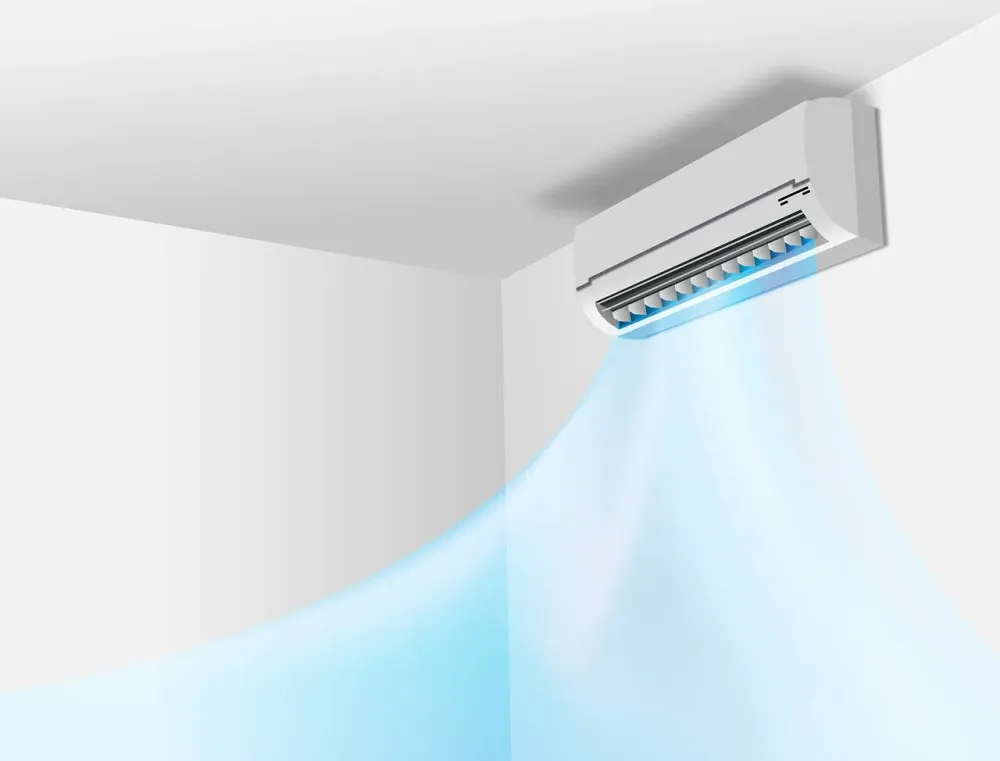
Turning on your air conditioner during summer heat only to have water drip from the indoor unit, soak ceilings, or cause electrical bills to spike is frustrating. Many homeowners clean filters but neglect aged drain lines, copper pipe insulation, and outdoor AC mounting brackets. This guide reveals critical hidden maintenance points.
Looking for the Chinese version of this article?切換至繁體中文版 →
AC Drain Pipe, Insulation Foam, and Bracket Aging Guide
This article is compiled from publicly available online sources for general reference only; readers should independently verify and judge its accuracy, and it is not legal, tax, medical or engineering advice. Rules, fees and subsidies change; check the latest notice from the responsible authority before acting. For electrical, gas, structural or health risks, consult a qualified professional.
This is the English edition of a Chinese article, adapted with AI assistance and checked against the original. Where the two differ, the Chinese version and the official sources it cites prevail.
Three Frequent Causes of Indoor Air Conditioner Leaks
Indoor unit water dripping represents the most frequent summer service call, caused by 3 issues:
- Drain slime blockages (biofilm buildup): Airborne dust and condensation inside dark, warm drain lines cultivate algae and bacteria, producing thick gelatinous slime that clogs the pipe and floods the drain pan.
- Insufficient drain slope or sagged pipes: Unanchored flexible hoses sag from gravity and water weight, creating unintended U-trap loops that trap water and block gravity drainage.
- Cracked internal drain pans: After 10 years of seasonal temperature swings, plastic drain pans grow brittle and crack, leaking condensation directly into plasterboard ceilings.
Degraded Copper Pipe Insulation: The Spike in Electricity Bills
Copper refrigerant lines connecting indoor and outdoor units are encased in black rubber insulation foam. Exposed to harsh solar UV radiation and wind, outdoor foam degrades, hardens, and flakes away within 3 to 5 years, leaving bare copper pipes. Cold bare lines sweating in humid outdoor air cause water damage; worse, refrigerant absorbs outdoor heat, forcing compressors to run non-stop, degrading cooling efficiency and increasing electricity bills by 15% to 30%.
Outdoor Condenser Fin Cleaning and Heat Dissipation Costs
Outdoor AC condensers accumulate airborne oil grease, lint, and street dust on aluminum fins. Poor heat dissipation elevates refrigerant head pressures, triggering internal thermal overload cutoffs that shut compressors down and blow lukewarm air. Cleaning fins with soft brushes and neutral coil cleaners restores original cooling efficiency.
Outdoor Unit Mounting Brackets and Typhoon Safety Checks
Outdoor condenser units weigh 30 to 60 kg. Galvanized brackets mounted on exterior building walls suffer rust along angle welds and anchor bolts over decades. Before typhoon season arrives, residents should visually inspect brackets for tilting or flaking red rust. High-elevation bracket replacements require certified HVAC teams. Calculate sizing via our AC tonnage calculator and visit our appliance category.
| AC Component Part | Common Degradation Failure | Impact on Performance and Home | Maintenance Cycle and Remedy |
|---|---|---|---|
| Clear/Ribbed Drain Hose | Gelatinous slime blockages or brittle cracks | Indoor water leaks and ruined ceiling boards | Flush annually with pressure water; replace hose |
| Foam Pipe Insulation | Outdoor foam flaking from UV; bare copper | Heavy pipe sweating and 20% power surge | Wrap 10mm weather-resistant foam with UV tape |
| Aluminum Condenser Fins | Fins clogged with grease, lint, and street dust | Poor heat dissipation and compressor shutdowns | Deep pressure foam coil wash every 1-2 years |
| Exterior Unit Brackets | Angle iron and expansion bolts rusting away | Fall hazard during typhoons risking casualties | Inspect every 3 years; upgrade to SUS 304 steel |
Frequently Asked Questions
Can homeowners use wet/dry vacuum cleaners to clear clogged AC drain pipes?
Yes, but proceed carefully. Locate the outdoor drain hose exit, attach a wet/dry vacuum hose with a tight seal, and run suction for 5 to 10 seconds to dislodge gelatinous slime. Never use high-pressure air compressors to blow into pipes, as sudden pressure blows drain hoses off indoor pans.
How long does it take technicians to re-insulate copper refrigerant lines?
When lines run along easily accessible balconies, stripping degraded foam, fitting new high-density insulation tubes, and wrapping UV-resistant PVC tape takes 1 to 2 hours. High-rise external walls require rope technicians.
Why does an automatic condensate pump produce loud grinding noises?
Abnormal noises occur when float switches or miniature pump bearings accumulate mineral gunk. Cleaning the reservoir tank regularly resolves noise; if motor bearings are worn, replace with quiet diaphragm condensate pumps.
Related reading: AC Copper Pipe Insulation Degradation & Repair · AC Drain Pipe Slope and Condensation Prevention Guide