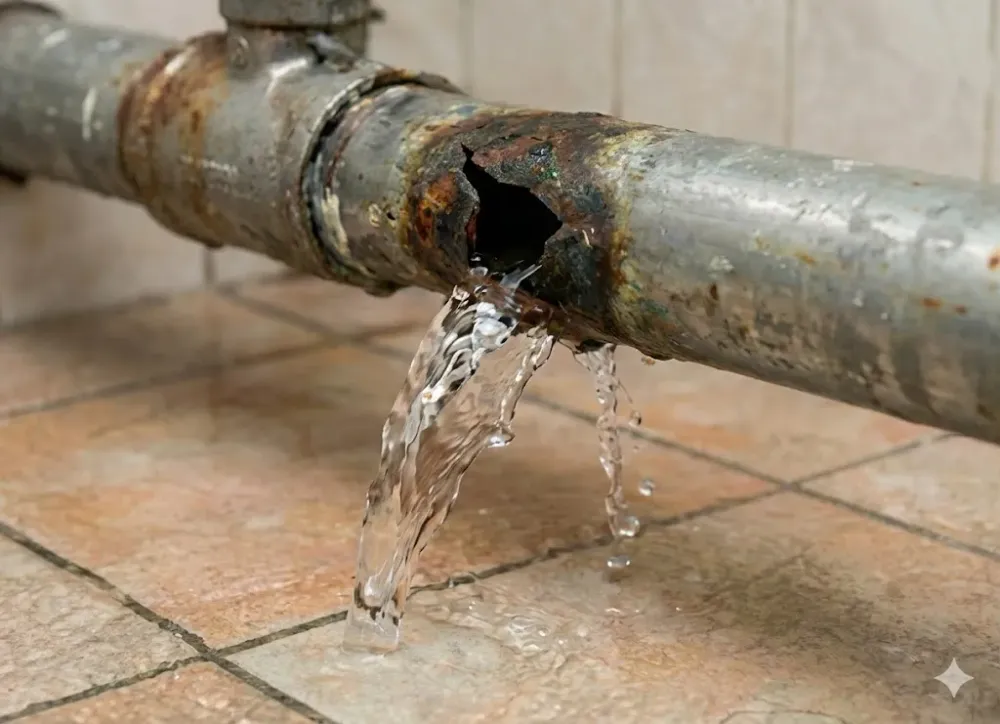
Nestled against misty mountains along the Keelung River, Xizhi once suffered severe typhoon inundation; while the Yuanshanzi Flood Diversion Tunnel mitigated widespread flooding, persistent indoor dampness and sewer backflow remain major ground-floor headaches. Homes with ground-level patios or hillside foundations endure groundwater seepage and mold. This guide details practical flood inspection measures.
Looking for the Chinese version of this article?切換至繁體中文版 →
Xizhi Ground Floor Waterproofing and Flood Defense

This article is compiled from publicly available online sources for general reference only; readers should independently verify and judge its accuracy, and it is not legal, tax, medical or engineering advice. Rules, fees and subsidies change; check the latest notice from the responsible authority before acting. For electrical, gas, structural or health risks, consult a qualified professional.
This is the English edition of a Chinese article, adapted with AI assistance and checked against the original. Where the two differ, the Chinese version and the official sources it cites prevail.
Xizhi Topography and Three Ground-Floor Drainage Challenges
Surrounded by mountains with river channels winding throughout, Xizhi homes face 3 drainage challenges:
- Riverside hydraulic head differentials: During intense cloudbursts, municipal storm sewer levels surge above private courtyard drains, pushing wastewater back indoors.
- Mountain runoff erosion: For properties abutting Mount Dajian, soil saturation drives torrential hillside surface runoff down residential lanes directly into ground-floor foyers.
- Groundwater transpiration and hydrostatic pressure: Ground floor slabs absorb subsoil dampness via concrete capillaries, causing wood flooring to discolor and rot.
Entrance Defenses and Anti-Backflow: Three Essential Barriers
To eliminate backflow and flooding hazards, ground-floor residents must install 3 physical defenses:
- Anti-backflow check valve drains: Install one-way floor drains in kitchens, bathrooms, and patios that allow wastewater out while floating shut when municipal sewers back up.
- Entrance flood barrier gates: Mount modular aluminum flood barriers at foyers with a height of at least 60 cm to block street overflows.
- Courtyard trench desilting: Clear silt and autumn leaves from exterior yard trenches quarterly, ensuring grates drain freely.
Hillside Retaining Wall Safety: Weep Holes and Interceptor Ditches
For hillside properties, retaining walls protect property and life. In prolonged downpours, trapped hydrostatic pressure can cause walls to bulge, tilt, or fail. Homeowners must inspect PVC weep holes for sediment blockages, clearing them with stiff wire, and verify top interceptor ditches channel storm runoff away safely. Check weather alerts on our real-time flood map.
Interior and Exterior Anti-Damp Planning and Professional Detection
Curing humidity requires dual-track defense: breathable crystalline waterproof coatings on exterior masonry to block moisture ingress, paired with home dehumidifiers keeping humidity between 55% and 60%. If floor tiles weep water continuously, underground supply pipes or membranes have failed, requiring licensed detection plumbers. Visit our disaster safety category.
| Ground Floor Moisture Symptom | Underlying Disaster Cause | Homeowner Self-Defense Step | Professional Plumbing Remedy |
|---|---|---|---|
| Wastewater backing up from drains | Surcharging municipal storm sewers | Plug drains with water bladders or sandbags | Install mechanical inline backflow check valve |
| Street rainwater flooding across threshold | Elevation differential less than 10cm | Deploy flood sandbags across door thresholds | Install quick-mount aluminum flood barriers |
| Continuous floor sweating and damp tiles | High subsoil water table and capillary pressure | Operate heavy dehumidifiers at 55% humidity | Chisel floor to apply negative-side crystalline coats |
| Muddy slurry pouring from weep holes | Elevated water table and silted collection pipes | Photograph evidence and alert local authorities | Geotechnical drilling of deep drainage wells |
Frequently Asked Questions
Can homeowners install anti-backflow floor drain inserts DIY?
Yes. Measure the existing drain diameter (usually 1.5 or 2 inches), purchase matching anti-backflow inserts, unscrew the strainer plate, and drop the valve in place; if main lateral lines slope backwards, a plumber must re-grade pipes.
Are automatic sump pumps effective for ground-floor homes?
Extremely effective. Constructing a low-point collection pit equipped with an automatic float-activated submersible pump discharges incoming stormwater rapidly into street gutters, drastically lowering indoor flooding risks.
Where can residents access free flood hazard maps for Xizhi?
Homeowners can visit the Water Resources Agency Disaster Prevention Portal or the New Taipei City Flood Monitoring System, entering their parcel address to review 24-hour flood inundation depth simulations during 300mm rainfalls.
Related reading: Sanchong and Luzhou Ground Floor Flood Defense · Taipei and New Taipei Flood Potential Map & Home Buying