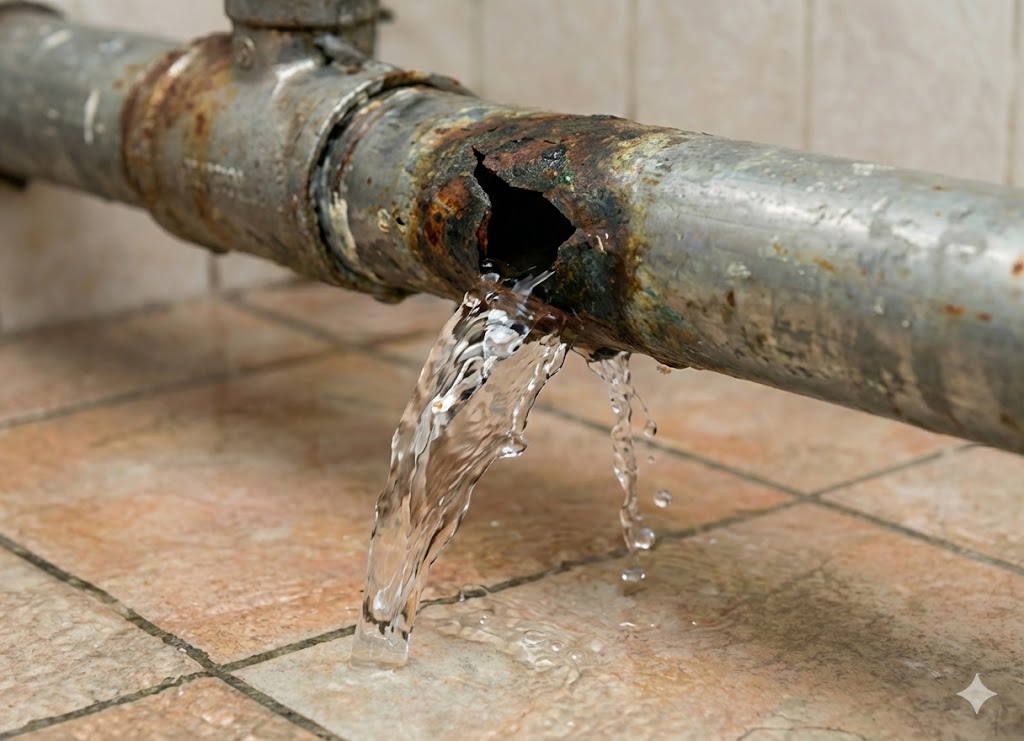
Short answer: unlike warming people in an ordinary bedroom (see key points on space heater power trips and fire safety), when a winter cold snap arrives (temperatures below 10°C to 13°C), caudex plants such as 象牙宮, staghorn ferns and tropical foliage plants are prone to cold damage and leaf drop, but you must never point a household ceramic or halogen space heater at plants from close range (it may not only dehydrate and scorch the leaves; at a power draw as high as 1,200W to 1,500W, plugging it into the plant shelf's extension cord will also cause an electrical fire). The safest and most energy-efficient approach is a thermostat-controlled horticultural seedling heat mat (only 20W to 100W) or a ceramic heat lamp paired with a thermostat outlet; if you run an oil-filled fin heater to hold the room temperature, it must be plugged directly into a dedicated wall outlet. An on-site safety self-check in 3 steps: step one, the heater's plug must go by itself directly into a wall outlet, and plugging it into the grow-light extension cord is strictly prohibited; step two, the seedling heat mat must have an insulating pad underneath and an external temperature probe connected; step three, check whether the wall outlet's slots are loose or hot.
Heat Mats or Space Heaters for Indoor Plants: Fire Safety
This article is compiled from publicly available online sources for general reference only; readers should independently verify and judge its accuracy, and it is not legal, tax, medical or engineering advice. Rules, fees and subsidies change; check the latest notice from the responsible authority before acting. For electrical, gas, structural or health risks, consult a qualified professional.
This is the English edition of a Chinese article, adapted with AI assistance and checked against the original. Where the two differ, the Chinese version and the official sources it cites prevail.
At what cold-snap temperature do plants need warming, and why is a household fan heater aimed at them a plant killer and a fire hazard?
Every winter in Taiwan, when a strong continental cold air mass or cold snap moves south, lowland lows in the north often drop to 8°C to 10°C, accompanied by the damp northeast monsoon, and the wind-chill effect is extremely pronounced. For many plants native to tropical or subtropical regions (such as 象牙宮, 白皮月界, 亞猴 staghorn fern and anthurium), growth slows when the ambient temperature is on the low side (below about 15°C for most tropical plants); at lower temperatures they are prone to chilling injury, which in severe cases causes water-soaked cold damage and ultimately black rot of the whole plant (cold tolerance differs by variety).
Homeowners in a hurry to protect plants from the cold often simply move the household PTC ceramic fan heater or halogen heater in front of the plant shelf and aim it straight at the plants. In terms of both plumbing and electrical work and plant physiology, this is a double disaster:
First, from the plant physiology side, the hot air from a ceramic heater's outlet is both hot and dry; aimed at close range it quickly draws the moisture out of the leaves and causes heat dehydration and scorching, and the damage may appear even faster than cold damage.
Second, from the electrical fire-safety side, a household space heater's rated power is as high as 1,200W to 1,500W (running current as high as 10.9A to 13.6A). In Taiwan, the rated capacity of a typical single indoor branch-circuit no-fuse breaker (NFB, 無熔絲開關) is only 15A or 20A. If the homeowner plugs the heater into an extension cord already loaded with grow lights, fans and a humidifier, the total current instantly breaks through the 15A limit, the conductors inside the extension cord and the plug overheat rapidly, and it is extremely easy for the plastic plug to melt and ignite the dry peat soil and cardboard packaging around it, resulting in an electrical fire. If the circuit trips abnormally, you can use the power trip cause self-diagnosis assistant to troubleshoot quickly, and use the wire gauge ampacity calculator to check the circuit capacity.
Four winter plant-warming options compared: windproof greenhouse cover, seedling heat mat, reptile ceramic heat lamp, oil-filled fin heater
To get plants through winter safely, plumbing and electrical engineering and horticulture experts recommend the following 4 clearly tiered warming measures:
Measure one: a plug-free PVC windproof cover for the plant shelf. The basic step that saves the most electricity and carries zero fire risk. Fit a transparent zippered PVC insulating cover over the existing angle-steel shelving and zip it up at night to block the biting wind-chill effect; the temperature inside the cover is usually slightly higher than outside. Also remember to control watering strictly during a cold snap (water only a small amount once the soil has dried through); roots in dry soil tolerate cold far better than roots in wet, cold soil.
Measure two: a waterproof horticultural seedling heat mat (with a PID thermostat). The best tool for local warming of the potting soil and roots. Its power is only 20W to 100W (current under 1A), and its surface is pressed from wear-resistant waterproof PVC or silicone. Place the pot on the mat and gentle heat is conducted directly to the soil at the bottom of the pot, keeping the roots active at between 20°C and 25°C. Power consumption is extremely low (calculated for a small 20W heat mat, running 24 hours a day for a whole month uses about 14.4 kWh; for higher-powered models, calculate separately according to the wattage).
Measure three: an E27 far-infrared ceramic heat lamp (lightless reptile type). Power is about 50W to 150W; once powered it emits only infrared heat radiation and no light, and because it emits no light it interferes less with the plants' dark period at night. It is suited to hanging above a semi-enclosed plant cabinet or particular rare plants for local warming.
Measure four: a microcomputer-controlled oil-filled fin heater or convection heater. If a whole plant room holds as many as several dozen pots of valuable rainforest plants, an oil-filled fin heater can be used to raise the overall room temperature to 18°C to 22°C. An oil-filled fin heater transfers heat by circulating oil; the body gives off no red glow and blows no dry hot air, so it is the gentlest on plants. But its power reaches 1,500W, so it must be plugged by itself directly into a wall outlet, and using an extension cord is strictly prohibited. If the breaker panel trips, see the guide to handling a tripped no-fuse breaker.
Comparison table: wattage, warming range and circuit safety requirements of winter plant-warming equipment
The electrical loads and installation safety requirements of different cold-protection equipment differ enormously; the comparison table below summarizes the plant-warming options common in Taiwan's winter:
| Type of plant-warming equipment | Typical power consumption (W) | Current at 110V (A) | Can it be plugged into a compliant extension cord? | Core warming mechanism and suitable situations | Key plumbing and electrical fire-safety requirements |
|---|---|---|---|---|---|
| PVC windproof greenhouse cover plus stopping watering | 0W | 0A | No power needed | Blocks the wind-chill effect of cold wind and keeps the inside of the cover slightly warmer than outdoors | In strong-wind balcony areas the frame must be firmly secured so it cannot be blown off |
| Waterproof horticultural seedling heat mat (with thermostat) | 20W to 100W | About 0.18A to 0.91A | Yes (a low-power resistive load) | Conducts heat from below to warm the potting soil to 20–25°C, protecting the roots and caudex rooting | Folding it or soaking it in a tray of standing water is strictly prohibited; a temperature probe is required |
| E27 far-infrared ceramic heat lamp (lightless) | 50W to 150W | About 0.45A to 1.36A | Yes (but no more than 2 to 3 lamps) | Local radiant warming of a greenhouse cabinet or semi-enclosed plant shelf | A heat-resistant ceramic lamp socket and an anti-scald guard must be used; no flammable items nearby |
| Thermostatic oil-filled fin heater or convection heater | 1,200W to 1,500W | About 10.9A to 13.6A | Absolutely prohibited (easily burns out the extension cord) | Raises the room temperature of the whole plant room to 18–22°C without blowing dry hot air directly | Must be plugged directly into a wall outlet on a dedicated 20A circuit; do not share it with a hair dryer |
4 electrical fire-safety rules for horticultural heat mats and ceramic heat lamps
When using horticultural electric heating equipment, strictly follow these 4 safety rules:
Rule one: folding a heat mat or laying mats on top of each other is strictly prohibited. Inside a heat mat is a precise heating resistance wire. If the mat is folded in half during use, or several heat mats are stacked one on top of another, the heat at the overlap cannot dissipate to the surroundings, the internal temperature rises sharply in a short time, and it may burn through the outer PVC insulation and cause a fire and short circuit.
Rule two: put insulating foam under the heat mat, and soaking it directly in a tray of standing water is strictly prohibited. Although the outer layer of a seedling heat mat is advertised as IP67 waterproof, soaking it for long periods in the standing water at the bottom of a flowerpot is strictly prohibited. The correct method is to lay a 5mm aluminum-foil insulating pad under the heat mat (to stop heat being lost to the shelf board below) and place the pots on top; when watering, be sure to move the pot away, let it drain, and then put it back on the heat mat.
Rule three: a ceramic heat lamp must be paired with a "heat-resistant ceramic lamp socket" and an "anti-scald metal mesh guard". The surface of a ceramic heating bulb is very hot in operation. It must never be installed in an ordinary plastic or Bakelite lamp holder (the plastic may soften and melt and cause a short circuit). A metal anti-scald mesh must be fitted around the lamp, and a sufficient safety distance must be kept from dead plant leaves and wooden shelves (follow the lamp's instruction manual).
Rule four: a PID digital thermostat outlet must be connected in series. Heat mats and heat lamps must not be left on without limit. You must connect an external digital thermostat with a waterproof metal temperature probe, insert the probe about 3 to 5 cm deep into the potting soil, and set it to "power on automatically below 20°C, cut power automatically at 24°C"; this both achieves a constant temperature and prevents continuous heating in the middle of the night from cooking the roots, while saving on electricity bills. To calculate the equipment's electricity cost, you can use the monthly Taipower electricity bill calculator for home appliances for a precise estimate.
Whole home trips when warming equipment runs on a cold-snap night? Troubleshooting 15A circuit overload in old homes and calculating a dedicated circuit
In many of Taiwan's old apartments with a building age of 30 years or more, all the wall outlets of an entire bedroom or living room are often wired together under one single 15A no-fuse breaker. On the night a cold snap arrives, a family member turns on a 1,200W space heater in a bedroom, the plant heat lamp and humidifier are also on in the living room, and if someone then picks up a hair dryer (1,400W) in the bathroom, the total load can instantly reach about 3,000W (about 27A); the breaker in the distribution panel immediately trips on overload, and the whole household is plunged into darkness and cold.
When this kind of overload happens, the fundamental solution is absolutely not to swap in a larger 30A breaker yourself (this causes the wires to melt and catch fire first while the breaker does not trip, which is extremely dangerous). The correct approach is to commission a qualified plumber/electrician (水電師傅) to split the circuit: run a brand-new dedicated stranded conductor with a cross-sectional area of 3.5mm² or more from the distribution panel, and install a separate 20A no-fuse breaker to serve only the high-power heating equipment or a large group of greenhouse plants. If you need professional plumbing and electrical work on site to plan a dedicated circuit, see the transparent price list for plumbing and electrical repairs or contact the Taipei and New Taipei emergency plumbing and electrical on-site service.
Frequently asked questions
Can a 100W ceramic heat bulb go straight into a plastic E27 track light or clip lamp socket?
No, absolutely not. The lamp holders inside the plastic track light cups and desktop metal clip lamps generally sold on the market mostly use Bakelite or ordinary PBT heat-resistant plastic; their designed heat resistance is limited, and the marked wattage limit is mostly not high. The surface of a high-wattage ceramic heat lamp is very hot; it makes the plastic brittle and melts the insulation of the internal wiring, causing a short circuit or even a fire. To use a ceramic heat lamp, you must choose a dedicated fixture marked "high-temperature ceramic lamp socket (Porcelain Socket)" and equipped with heat-resistant silicone braided wire.
Can a plant seedling heat mat run 24 hours a day for a whole week without being switched off?
As long as the heat mat has BSMI or international CE/UL safety certification and "a reliable thermostat cut-off switch is connected externally", continuous powered operation is permitted in terms of engineering safety. In practice, however, leaving a heat mat running blind for 24 hours continuously with no thermostat is not recommended at all. If there is sunlight during the day or the room temperature recovers, continuous heating will make the potting soil too hot, causing the roots to suffocate, ferment and rot. Be sure to connect an external temperature controller so that the heat mat powers on automatically only when the temperature is below the set threshold.
The heater is plugged into a wall outlet and the plug's metal blades are very hot when I pull it out. Is the outlet broken?
Yes, this means the outlet is already in a seriously dangerous state. Hot metal blades on a heater plug (hot to the touch, or even with a smell of softened, scorched plastic) usually have two main causes: first, the clamping copper contacts inside the wall outlet have suffered metal fatigue and lost their spring, so the contact area between the plug's blades and the outlet's copper contacts shrinks greatly and the contact resistance rises sharply (heat generated according to Joule's law); second, the screws at the outlet's terminals holding the wires inside the wall have come loose, giving a poor connection. If a heater continues to be plugged into this kind of outlet, it is extremely easy to cause an electrical fire. You must stop using that outlet immediately and have a qualified plumber/electrician (水電師傅) replace it with a brand-new grounded outlet with strong grip.
Sources
- PTS News, "Space heater catches fire in a home and is put out in time; appliance-caused incidents have passed a thousand cases within 3 years" (公視新聞網〈民眾家中電暖器自燃幸及時撲滅 電器致災3年內已累計上千件〉): the report reminds readers not to share an extension cord between a space heater and other high-power appliances such as dehumidifiers and hair dryers, to keep combustibles at least 1 meter away, and to avoid long periods of continuous operation.
- TVBS Health 2.0, "Temperature soars to 150°C: an overloaded extension cord may cause a disaster" (TVBS 健康2.0〈溫度飆150℃ 延長線插太滿恐釀災〉): the media outlet cites Taipower's reminder that high-power appliances should not be connected to extension cords and should use a dedicated circuit; extension cords should have overload protection and should not be used while bundled.
Related reading: Does a Plant Humidifier Trip Power? Wattage, Outlet Safety