The ultimate pursuit of theater-level dimming: wired vs. wireless smart lighting
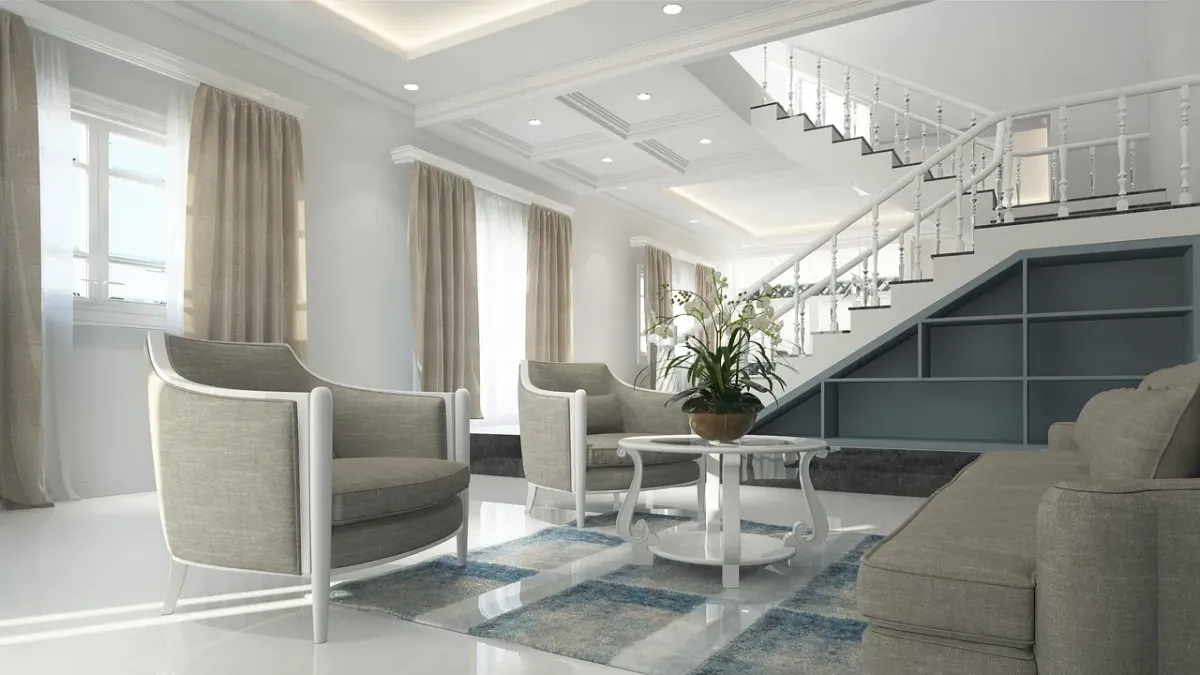
In the decoration planning of luxury homes in Taipei areas such as Tianmu, Yangmingshan, Daan District, or high-end high-tech residences in the Xinban Special Economic Zone, modern interior design is no longer satisfied with the "on and off" of traditional lights, but pursues "theater-level smart dimming" that can create a warm atmosphere, smooth and flicker-free. However, although many consumer-grade smart lights on the market (such as Mijia, Apple HomeKit, Philips Hue and other wireless smart light bulbs) are easy to install and affordable, in large luxury homes, they often encounter wireless signal delays and disconnections caused by too many devices (such as more than 50 lights), or the lights flicker and the brightness is uneven when the lights are turned on and off. For high-end homeowners who value the quality of life and have a generous budget, planning a complete set of "European standard DALI bus system" or "American standard Lutron dimming system" with physical wiring and high stability in the early stages of decoration is the gold standard that truly meets the quality of luxury living.
Popular science on DALI bus protocol: Digitally addressed weak current control architecture
DALI (Digital Addressable Lighting Interface, Digital Addressable Lighting Interface) is an international standard lighting control protocol in European regulations and is widely used in commercial office buildings and high-end residences at home and abroad. Its physical wiring and control logic have the following characteristics:
1. Dual-core signal bus (regardless of polarity, can be co-operated with strong current): The DALI system uses a dedicated two-core weak current signal line (Bus Cable) to connect the "DALI dedicated dimming drivers (Drivers)" of all lamps on the ceiling in series. This signal line does not distinguish between positive and negative poles, and because it has extremely high anti-interference properties, regulations allow it to run in the same PVC wire tube as 110V/220V strong wires, which greatly reduces the complexity of weak current piping.
2. Digital addressing and independent control: Each DALI driver has an independent digital address. This means that when wiring water and electricity, there is no need to group lamps and wires like traditional dimmers, and all lamps can be connected to the same power supply. After completion, engineers can freely define which lights belong to the "living room theater scene" and which lights belong to the "reading mode" through the software. If they want to adjust the grouping in the future, they only need to modify the software settings without touching the physical wiring.
3. Two-way data feedback: The DALI system can not only control switches and brightness, but also "immediately report the status of lamps." If the LED chip of a lamp on the ceiling is broken or the driver fails, the system panel or mobile app will immediately display the location and fault code of the lamp, which is extremely friendly to the maintenance of large-scale residences.
Lutron system: the uncrowned king of dimming in American luxury homes
If DALI is an open international standard, then the American Lutron dimming system is synonymous with private customization in the field of luxury dimming. Lutron is world-famous for its patented dimming technologies (such as EcoSystem):
* Lutron achieves an extremely smooth gradient from 100% brightness to 1% or even 0.1% brightness without any microscopic flickering in the process. When switching scenes, the lights turn on smoothly like a theater curtain opening, making the scene extremely comfortable.
* Most of Lutron's control panels and drivers are produced by original manufacturers and have excellent compatibility with various imported linear light strips and anti-glare recessed lights on the market. They can effectively prevent "low-brightness jitter" and "high-frequency noise" that are common in ordinary dimming.
The construction budget and water and electricity wages of DALI and Lutron in Taipei
Because these two types of physical wired dimming systems require complex strong and weak current piping wiring in the early stage of decoration, and the ballast requires specific drivers, their construction budget is usually higher than that of general wireless smart systems:
1. European standard DALI bus system (based on a 40-square-foot residence, about 40-60 Take a lighting circuit as an example):
-Including DALI dedicated power supply, controller, DALI dedicated dimming driver and system integration programming design. The price of combined work and materials is approximately between NT$ 150,000 and NT$ 280,000.
2. American Lutron dimming system (same square footage):
- As a high-end customized system, its host, smart panel and special dimming module are mostly imported from the United States, and require ETS debugging by an SI integrator certified by the agent. The construction cost is approximately NT$ 300,000 to NT$ 600,000 or more.
3. Salary for water and electricity piping and wiring:
- Plumbers need to cooperate with SI integrators to carry out strong and weak current dual-circuit piping and traction. Since the electrical box needs to accommodate a large number of dimming modules and relays, a "smart control distribution box" needs to be built. The water and electricity wiring wages plus material costs are approximately NT$ 30,000 to NT$ 60,000.
Commercial acquisitions and businessmen’s thinking on luxury home premiums: the value preservation advantage of physical wired smart systems
For commercial businessmen who specialize in buying luxury homes in Shuangbei for repackaging and selling, or performing high-end property renovations, :
Wireless smart lighting (such as Mijia) has high replacement frequency and short life cycle, and when the house is handed over to the next buyer, if the other party’s WiFi If the router model changes, the entire system may need to be reset, which will cause great maintenance troubles for the businessman who takes over. On the contrary, physical bus dimming systems such as DALI and Lutron use independent weak current physical pipelines, which have a service life of 15-20 years and do not rely on external networks. When evaluating high-end assets, this kind of physical system with "high stability, zero risk of network interruption, and compliance with international green lighting energy-saving standards" is the strongest physical evidence to demonstrate the luxury gene of the property to high-end buyers, and can create a very convincing transaction premium and market turnover rate for the property.
🇹🇼 Expat Living Note: Home Repairs in Taiwan
If you are an international resident renting an apartment in Taipei, New Taipei, or anywhere in Taiwan:
- Voltage & Electrical Safety: Taiwan standard household voltage is 110V (60Hz). Do not plug 220V imported European/UK appliances directly without a certified step-up transformer.
- Plumbing Terminology: Local plumbers are called 水電 (Shuǐdiàn) and handle both water and electrical repairs.
- Landlord Obligations: Under Article 429 of Taiwan Civil Code, landlords are legally responsible for repairing natural wear and tear (such as hidden wall pipe leaks, water heater faults, or booster pump failures) unless explicitly waived in your lease.
Legal Disclaimer
The information provided on this website is for general educational and reference purposes only. For hazardous repairs involving live 220V electrical circuits, main gas lines, or structural wall drilling, always consult certified, licensed technicians. SOSfix disclaims any liability for personal injury or property damage resulting from DIY repair attempts.