The purpose of lighting planning is to make every action comfortable to watch
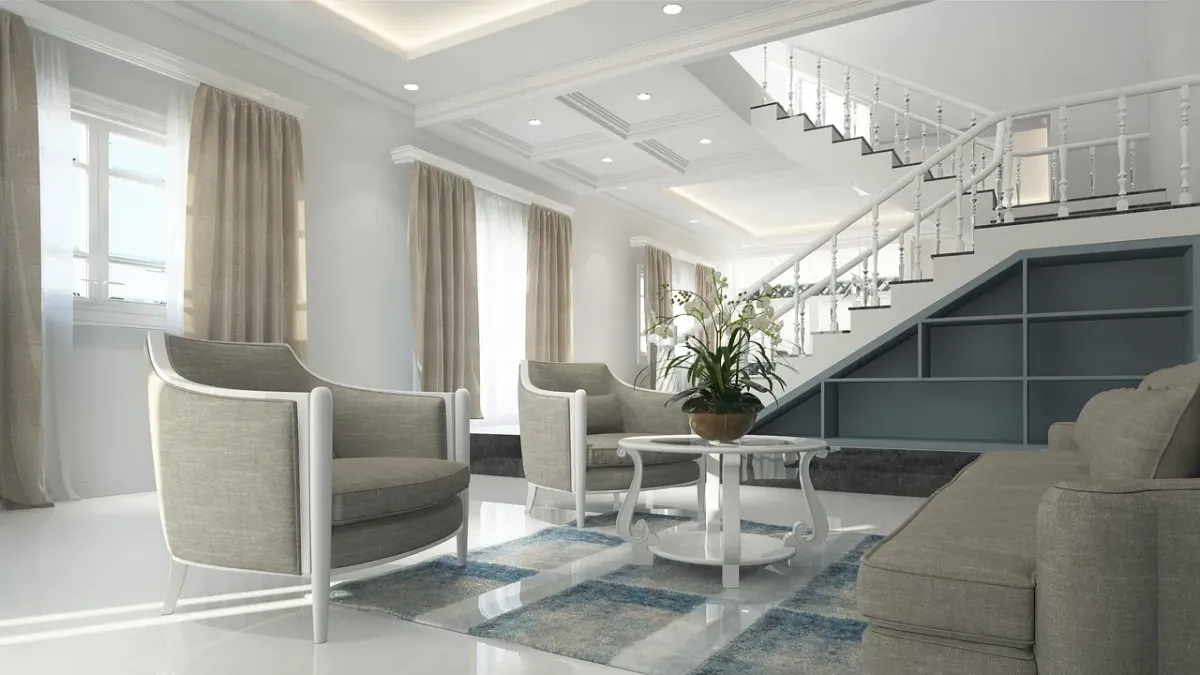
Many decoration projects regard lighting as the last accessory: the ceiling is filled with lamps. After moving in, I find that the living room is dazzling, the dining table is shadowed, and the bed is directly illuminated by the light source. The number of residential square meters in Taipei and New Taipei is not large, so lighting needs to be clearly divided into three things: "overall lighting, task lighting, and mood lighting" instead of using the same white light to illuminate all spaces.
Start with the activity line requirements
The living room needs flexible light for chatting, watching TV and cleaning; the dining table needs to allow food and faces to be seen clearly; the desk needs to illuminate the work surface to avoid screen reflection; and the bedroom needs low-stimulation light for reading at night and before going to bed. It is usually more effective to list the things you will do every day, and then decide the location and switch grouping of lamps than to choose a chandelier first.
Color temperature can be understood as "warmer, more natural, more white". Warmer light is often suitable for sitting areas, and natural or whiter light is better for reading, cooking and organizing, but there is no single number that is suitable for the whole family. The actual wall color, wood color, lighting and age of the user will all affect the experience. It is best to see samples on site before purchasing.
Lights are not omnipotent, and glare is worth preventing.
If the lamp shines directly into the eyes, no matter how bright it is, it will be uncomfortable. The lamp position above the sofa, bed and dining table depends on whether you will look directly at the light source when sitting or lying down. Also avoid shining bright light on the screen near the TV wall. Areas that require reading or sewing can be supplemented by local lights with adjustable directions, rather than lighting the entire room like an office. If the mirror headlight is only installed on the top of the head, it is easy to produce shadows on the face. Filling the light from the side or both sides is usually more natural.
The switch circuit should be reserved for future choices
You can turn on the main light as soon as you enter the door, control some lighting by the sofa, and turn off unnecessary lights by the bed. These small arrangements are more interesting than expensive lamps. Before decoration, mark on the floor plan the location of switches, double cut requirements, commonly used sockets and possible power supply locations for light strips. If you want to add dimming or smart control, you must first confirm that the lamp, driver and controller are compatible. Don't find out after completion that it will flicker or only be fully on and off.
Write maintainability into the design
Light strip drivers, chandelier junction boxes, and bathroom lighting fixtures will all be repaired one day. Whether it is accessible from the maintenance door, whether it is convenient to replace the light source, and whether appropriately protected lamps are used in wet areas should all be clarified before construction. Good lighting does not have to be flashy. It will quietly make life smoother when you read, cook, go home and get up at night.
On the night of completion, it is most accurate to actually walk through it
After viewing the samples during the day, it is best to actually use each switch, aisle and reading position at night. Check whether the light is sufficient and not dazzling when you enter from the entrance, go to the bathroom in the middle of the night, sit on the sofa, or stand at the sink; also check whether opening the cabinet door will block the switch. The cost of adjusting light positions, switches, or circuits is usually lowest when the problem is discovered when it is still at the end of construction. The success or failure of lighting design is rarely just in the photos, but in the moment when you naturally reach out and turn on the lights every day after you move in.
Keep a record of the current situation before and after construction begins
Before starting any home equipment or decoration adjustment, take photos of the panorama, joints, corners and original equipment markings; after completion, record the test methods, abnormal sounds, material models and warranty contact information. This information is not intended to predict the occurrence of disputes, but to allow the next person to understand the original condition when repairing, subletting, selling or handing over the property in the future. When a problem is discovered, you should first stop using it in a way that may cause damage, and avoid dismantling and modifying unfamiliar water, electricity, gas or wall structures in a hurry. By keeping good records, repairs will be judged faster and expenditures will be more easily explained.
🇹🇼 Expat Living Note: Home Repairs in Taiwan
If you are an international resident renting an apartment in Taipei, New Taipei, or anywhere in Taiwan:
- Voltage & Electrical Safety: Taiwan standard household voltage is 110V (60Hz). Do not plug 220V imported European/UK appliances directly without a certified step-up transformer.
- Plumbing Terminology: Local plumbers are called 水電 (Shuǐdiàn) and handle both water and electrical repairs.
- Landlord Obligations: Under Article 429 of Taiwan Civil Code, landlords are legally responsible for repairing natural wear and tear (such as hidden wall pipe leaks, water heater faults, or booster pump failures) unless explicitly waived in your lease.
Legal Disclaimer
The information provided on this website is for general educational and reference purposes only. For hazardous repairs involving live 220V electrical circuits, main gas lines, or structural wall drilling, always consult certified, licensed technicians. SOSfix disclaims any liability for personal injury or property damage resulting from DIY repair attempts.


![[Electricity Upgrade in Shuangbei Old Houses] Is the 30A distribution box in old apartments enough? Fees and procedures for applying for Taipower's 50A/75A circuit breaker expansion, independent main line replacement, and switch box redrawing](/images/electrician-1080554_1280.webp)