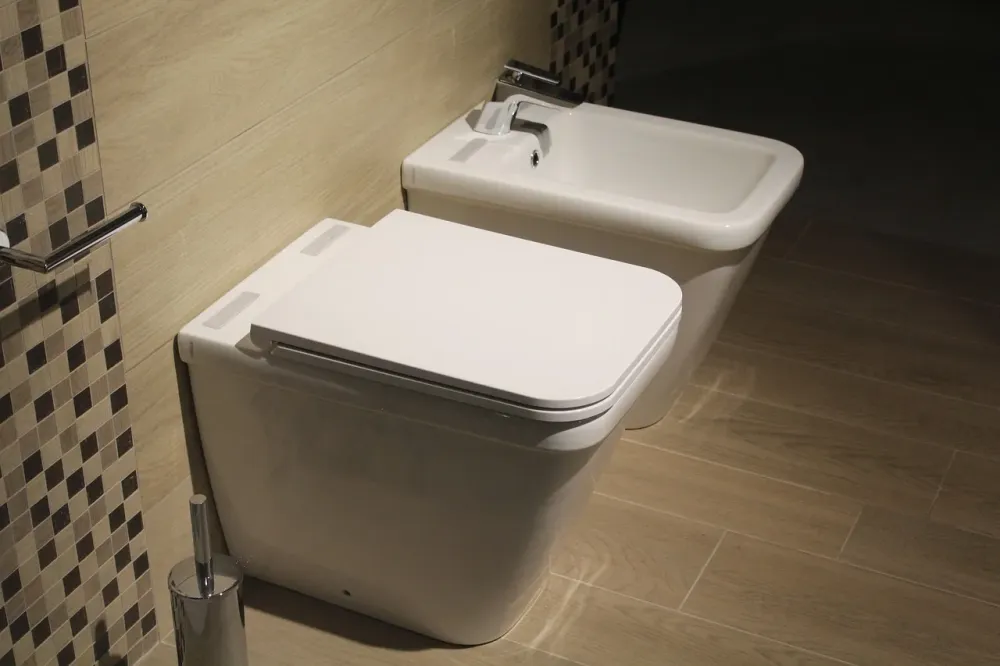
Smart bidet toilet seats and integrated smart toilets have become essential fixtures in modern residential bathrooms, offering heated seats, warm-water cleansing, warm-air drying, and automatic deodorization. However, many homeowners purchase bidet seats online only to realize during unboxing that no electrical outlet exists near the toilet, or discover post-installation that spray pressure is weak, intermittent, or leaking around angle valve fittings. In plumbing engineering, installation success relies upon meeting minimum dynamic water pressure thresholds (typically 0.075 MPa or 0.75 kg/cm²), placing dedicated GFCI-protected splash-proof outlets correctly, and installing high-grade ceramic-cartridge diverter valves. Without pre-testing flow rates with measuring cups and planning electrical circuits, premium bidet seats cannot function properly. Following rigorous engineering checklists guarantees long-term hygienic reliability.
Smart Bidet Toilet Installation and Water Pressure Guide
This article is compiled from publicly available online sources for general reference only; readers should independently verify and judge its accuracy, and it is not legal, tax, medical or engineering advice. Rules, fees and subsidies change; check the latest notice from the responsible authority before acting. For electrical, gas, structural or health risks, consult a qualified professional.
This is the English edition of a Chinese article, adapted with AI assistance and checked against the original. Where the two differ, the Chinese version and the official sources it cites prevail.
Two Primary Installation Failure Modes: Low Water Pressure and Incorrect Outlet Locations
Post-installation service calls reveal that over 80% of issues stem from unsuitable site utilities rather than appliance defects:
1. Dynamic Water Pressure Below Operating Thresholds: While tank-storage bidets refill slowly below 0.05 MPa, modern tankless instant-heating bidets demand high continuous flow rates to prevent bacterial growth, requiring steady dynamic pressures between 0.075 and 0.15 MPa. If inlet pressure falls below thresholds, flow sensors signal controllers to shut down internal booster pumps and heating coils to prevent dry firing, halting cleansing cycles.
2. Absent Bathroom Outlets or Hazardous Wiring: Older Taiwanese apartments built over 20 years ago rarely included toilet electrical receptacles. Some homeowners string extension cords from ceiling lights or hang unshielded power strips above cisterns; steamy condensation and floor washing quickly cause short circuits, nuisance tripping, and fatal shock hazards in violation of electrical wiring codes.
Pre-Installation Hardware Environment Verification Checklist
Before purchasing smart toilets, homeowners and technicians must verify three critical hardware parameters:
| Inspection Parameter | Standard Engineering Criteria and Acceptable Thresholds | Diagnostic Protocols and Remediation Methods |
|---|---|---|
| Dynamic Flow Rate (Measuring Cup Test) | With angle valves fully opened, discharge must exceed 2.5 liters in 10 seconds (over 15 L/min) | Catch water in 2000ml cups timed by phone; if deficient, add booster pumps at water meters or tanks |
| Dedicated Receptacle Position | Height 30cm to 50cm above floor, offset 25cm to 40cm from bowl centerline, with splash covers | Provide dedicated 110V 15A circuits with 15mA rapid GFCI breakers; avoid extension cords entirely |
| Angle Valves and Diverter Fittings | Replace aged brass slotted valves with 1/2-inch ceramic-spindle valves and braided stainless hoses | Replace corroded valves; install manufacturer Y-diverter fittings instead of plastic adapters prone to cracking |
Measuring Cup Dynamic Flow Rate Verification SOP
Plumbing technicians utilize a simple, zero-cost measuring cup technique to assess dynamic pressures:
1. Preparation: Gather a calibrated 2-liter (2,000 mL) measuring pitcher or marked clear bucket and a smartphone stopwatch.
2. Flushing Standing Water: Close the toilet supply angle valve, disconnect the flexible fill hose feeding the cistern, and aim the hose directly into the measuring container.
3. Timed 10-Second Flow Test: Open the angle valve fully, timing exactly 10 seconds on the stopwatch before shutting the valve. Inspect collected volume:
• If volume reaches 2.5 to 3.0 liters within 10 seconds (15 to 18 L/min), dynamic pressure exceeds 0.1 MPa (1.0 kg/cm²), ensuring 100% compatibility with all instant-heating smart bidets.
• If volume reaches only 1.2 to 1.8 liters (7 to 11 L/min), dynamic pressure sits between 0.05 and 0.07 MPa; spray pressure will feel weak. Homeowners should choose models with internal micro-booster pumps or install rooftop supply booster pumps.
Bathroom Splash-Proof Outlet Electrical Safety Standards
Moist bathroom air mandates strict adherence to electrical wiring regulations:
1. Moisture Protection Zones: In bathrooms without separate dry and wet zones, areas within 1.5 meters of shower heads prohibit electrical outlets. In separated dry zones, receptacles mount 30cm to 50cm above floor tiles to clear mop water, placed at least 25cm from toilet bowl perimeters to avoid splashes.
2. Dedicated IP55 Spring-Loaded Covers and Grounding: Receptacles require IP55 spring-loaded weatherproof covers to prevent steam condensation inside slots. Wiring must supply separate hot, neutral, and green ground conductors connected to 15mA / 0.1-second high-sensitivity GFCI circuit breakers.
Routine Maintenance: Cleaning Inlet Filter Screens Every 3 to 6 Months
Weakening spray pressure after one year of bidet usage reflects clogged inlet screens in 95% of cases:
1. Isolating Power and Water: Unplug power cords to eliminate electrical risks, turn angle valves clockwise with flathead screwdrivers, and press side drain buttons to empty internal reservoirs.
2. Removing Strainer Plugs: Locate cylindrical stainless mesh filter plugs where supply hoses connect to bidet chassis. Use coins or small wrenches to unscrew filter caps counter-clockwise and extract strainers.
3. Cleaning with Toothbrushes and Vinegar: Inspect screen surfaces for yellow-brown rust deposits and white scale. Scrub gently with old toothbrushes and mild detergent; if mesh pores are blocked by minerals, soak strainers in household vinegar or citric acid solutions for 15 minutes to dissolve scale, rinse, and reassemble.
When assessing bathroom supply pressures and circuit safety, use our water leak and loss cost calculator to evaluate consumption, consult our wire gauge ampacity and breaker matching calculator to calculate circuit ampacities, and review our interactive home inspection checklist calculator during renovations to inspect outlet clearances.
Frequently Asked Questions
Why did my bidet stop spraying water after water service was restored following typhoons or outages?
This common issue stems from pipeline sediment slugs dislodged when water mains re-pressurize. Sudden flow surges carry suspended rust, sand, and mud into building risers, instantly choking fine mesh bidet inlet strainers. Firmware sensors detect zero flow and disable heating circuits. Never press spray buttons repeatedly to avoid burning out heating elements. Shut supply angle valves, remove and scrub inlet filter screens, flush bathroom sink faucets for 1 minute to clear turbid water, and reinstall clean strainers.
Can electricians tap into ceiling lighting wires to add an outlet for my bidet in older bathrooms?
This practice is strongly discouraged and violates safety codes. Splicing into 1.6mm or 2.0mm exhaust fan or lighting circuits introduces severe hazards: first, lighting circuits typically lack GFCI ground-fault protection, allowing current to pass through wet, barefoot bathers during heating element insulation faults; second, instant-heating bidets draw over 1,200 watts (1,200 W) during simultaneous water heating and warm-air drying, overloading shared lighting wires. Certified electricians must pull dedicated 2.0mm circuits directly from main panels equipped with independent GFCI breakers.
Can hydrochloric acid or harsh toilet bowl cleaners be sprayed on bidet nozzles to remove urine scale?
Never apply strong acids (like hydrochloric acid), bleach, or abrasive scouring powders. Bidet spray wands feature antimicrobial ABS plastic or chrome-plated sleeves; aggressive chemicals corrode protective anti-mold coatings, embrittle plastic housings, harden rubber seals, and produce vapors that corrode internal circuit boards. Press manual nozzle cleaning buttons to extend wands, wipe gently with soft cloths or soft toothbrushes dampened with diluted neutral dishwashing liquid, and wipe clean with damp towels.
Sources and References
Technical standards referenced from national electrical and plumbing authorities:
- Bureau of Standards, Metrology and Inspection: Bidet Toilet Seat Safety Standards (CNS 60335-2-84)
- Ministry of Economic Affairs: Grounding and GFCI Requirements for Damp Locations
Disclaimer: This technical guide is compiled from public engineering references and building standards. Actual on-site conditions vary across individual properties; readers should evaluate technical applicability carefully and consult qualified trade professionals.
Related reading: Bidet Seat Bidet Spraying Cold Water Fix Guide · Smart Bidet Seat Sizing Guide for Perfect Toilet Fit · Bidet Toilet Seat Not Heating & Nozzle Cleaning Guide