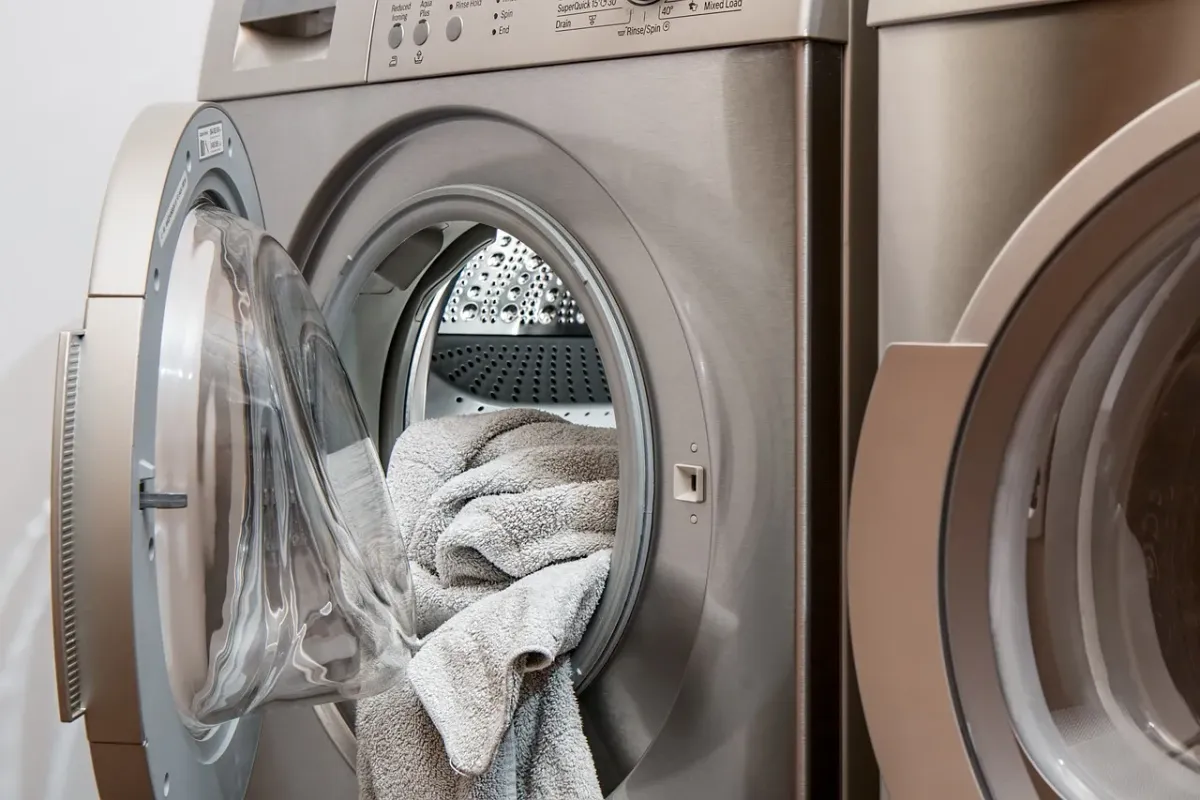
A 9-year-old fixed-speed air conditioner suddenly blows warm air, balcony gas water heaters ignite with loud bangs, or front-load washers suffer seized drum bearings; service technicians quote $6,000 to $12,000 NTD for repairs, leaving homeowners agonizing! "Is spending tens of thousands to patch up a decade-old appliance worthwhile?" "Will another expensive component fail in two months?" When should you repair versus replace? This guide delivers empirical cost formulas.
Looking for the Chinese version of this article?切換至繁體中文版 →
Old Appliance Repair vs Replace Economics Payback Guide
This article is compiled from publicly available online sources for general reference only; readers should independently verify and judge its accuracy, and it is not legal, tax, medical or engineering advice. Rules, fees and subsidies change; check the latest notice from the responsible authority before acting. For electrical, gas, structural or health risks, consult a qualified professional.
This is the English edition of a Chinese article, adapted with AI assistance and checked against the original. Where the two differ, the Chinese version and the official sources it cites prevail.
The 50-50-8 Golden Rule: Repair Costs Over 50% and Age Over 8 Years Warrant Replacement
International asset management relies on the 50-50-8 replacement benchmark: first, when single-incident repair estimates exceed 50% of the purchase price of brand-new Tier-1 energy-saving models; second, when operational equipment age exceeds 8 years (reaching statutory depreciation limits); third, when critical primary assemblies fail (compressor burnouts, perforated copper heat exchangers, or fractured drum spider bearings). Sinking money into repairs under these conditions wastes capital, as cascading circuit failures invariably follow.
Real-World Energy Efficiency Comparison: Fixed-Speed vs Tier-1 Inverter Technology
Vintage appliances are power hogs: an 8-year-old fixed-speed air conditioner features a cooling seasonal performance factor (CSPF) of only 2.5 to 3.0, consuming 450 kWh monthly under 10 hours of daily summer use; brand-new Tier-1 inverter ACs boast CSPF ratings exceeding 6.5, drawing only 180 kWh under identical cooling loads! Bimonthly electric bills drop by 1200 to 1800 NTD, meaning power savings completely offset the purchase price of new inverter equipment within 3 to 4 years!
Scrappage Protocols and Government Energy Subsidies Up to 3000 NTD
Upgrading appliances unlocks generous government rebates: purchasing Tier-1 energy-efficient air conditioners or refrigerators qualifies for Ministry of Finance excise tax refunds up to 2000 NTD; pairing purchases with official residential appliance trade-in scrap certificates unlocks an additional 3000 NTD in Ministry of Economic Affairs subsidies, totaling up to 5000 NTD in cash savings per unit! Audit bills via our rental electricity checker. Review rates on our pricing framework.
Frequently Asked Questions
If an 8-year-old water heater still heats water, must it be replaced preventatively?
Strongly recommended! Gas water heaters involve pressurized fuel combustion; copper heat exchangers thinned by years of acidic flue gases risk sudden water pan ruptures or lethal carbon monoxide emissions. Reaching 8 years represents an engineering safety limit where preventative replacement protects family safety. Learn more in our appliance maintenance category.
Unsure whether to repair or replace? Contact SOSFix for objective assessments!
Reject aggressive sales pitches. SOSFix technicians first check the old unit on site: minor sensor or capacitor faults are repaired where possible, and units past their safe service life get a transparent removal-and-replacement quote. For emergency repairs, call our 24-hour emergency repair service.
| Core Residential Appliance | Statutory Safe Operating Lifespan | Critical Failure Warranting Replacement | Tier-1 Energy Savings Payback Timeline |
|---|---|---|---|
| Split / Window Air Conditioners | 7 - 10 years (shorter for fixed) | Burned compressor windings, leaking coils | Energy savings recoup costs in 3 - 4 years |
| Gas & Electric Water Heaters | 5 - 8 years (harsh exterior wear) | Perforated copper heat exchanger, dead PCB | Guarantees safety, saves 20% on gas utility |
| Front-Load / Top-Load Washers | 7 - 9 years (high-stress cycles) | Shattered tub bearings, burned drive motor | Saves 40% water, ultra-quiet operation |
| Multi-Door Home Refrigerators | 10 - 12 years (runs 24/7/365) | Seized inverter compressor, insulation leak | Recoups cost in 4 years, stable cooling |
Related reading: Right to Repair: Appliance Parts Transparency in Taipei · Water Heater Repair vs Replacement Cost and Quoting Guide