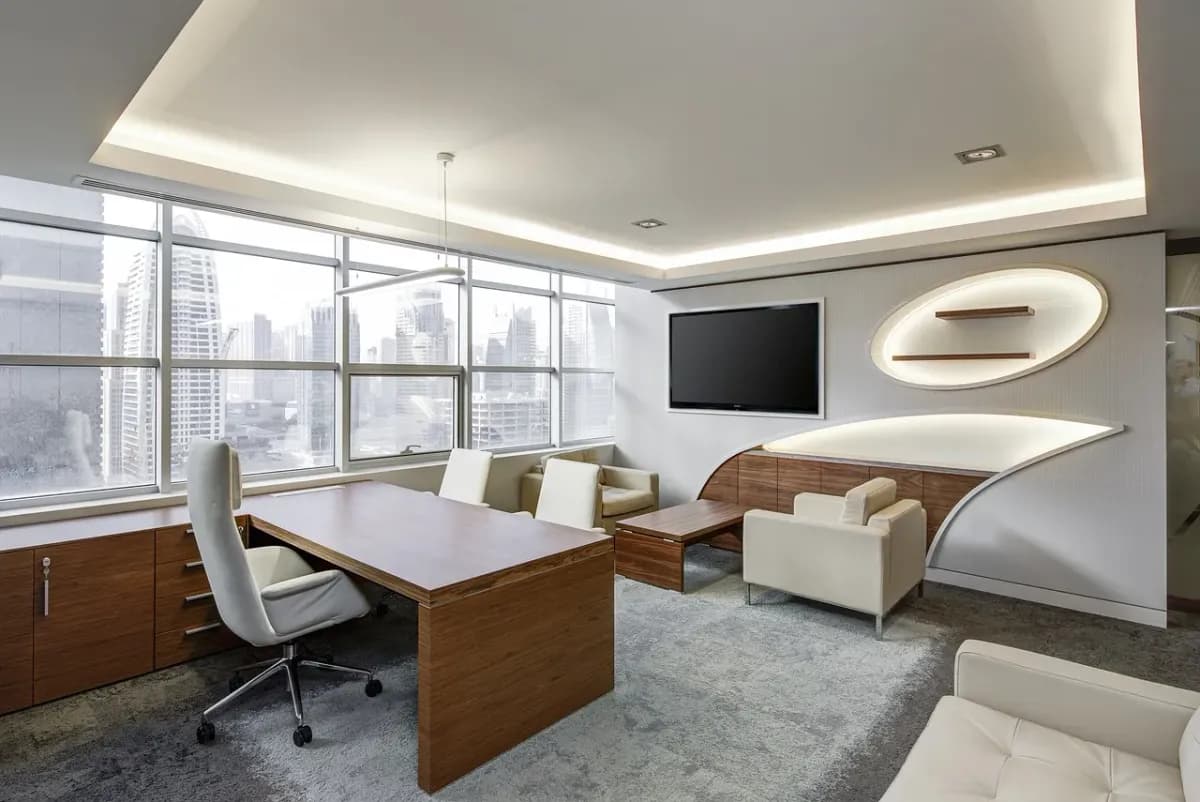
Interior design is the art of combining functionality and aesthetics. Good design can improve home comfort and quality of life. Whether it is a small apartment or a large house, proper planning is crucial. This article will explain the interior design steps, style choices and practical advice to help you create your dream home.
Why do you need interior design?
- Improve space efficiency: Proper planning can make full use of every inch of space.
- Create a cozy atmosphere: Appropriate colors and furniture make your home more welcoming.
- Personalized style: Design can reflect personal taste and enhance the quality of your home.
Interior design steps
- Determine the style
Common styles include modern simplicity, Nordic style, industrial style and classical style. Choose according to personal preference and space characteristics. - Measurement and Planning
Measure room dimensions, draw floor plans, plan furniture and circulation. Make sure aisles are wide and functional areas are clearly defined. - Choose colors and materials
Light colors enlarge the space, while dark colors add warmth. Choose durable materials such as solid wood furniture or stain-resistant fabrics. - Choose furniture and decor
Choose furniture that matches your style, focusing on functionality and comfort. Add green plants or hanging paintings to increase the level of space. - Lighting design
Combine main lights, auxiliary lights and ambient lights to create different situations. LED lights save energy, and dimmable fixtures add flexibility.
Design suggestions
- Small space enlargement technique: Use mirrors or light-colored walls to increase the sense of space.
- Multifunctional furniture: Such as storage beds or folding tables, suitable for small spaces.
- Keep it simple: Avoid excessive decoration and keep the space tidy.
Notes
- Budget control: Prioritize investment in durable furniture and necessary decoration, and control decoration costs.
- In line with living habits: The design needs to consider daily use needs, such as storage space.
- Ventilation and Lighting: Make sure the room is well ventilated and takes advantage of natural light.
When to seek professional assistance?
If the space is complex or requires substantial changes, it is recommended to contact a professional interior designer. They can provide professional advice and design solutions.
Conclusion
Interior design can make your home space both beautiful and practical. Through careful planning and style selection, you can create a comfortable home. Start your design plan now to create your ideal living space!
🇹🇼 Expat Living Note: Home Repairs in Taiwan
If you are an international resident renting an apartment in Taipei, New Taipei, or anywhere in Taiwan:
- Voltage & Electrical Safety: Taiwan standard household voltage is 110V (60Hz). Do not plug 220V imported European/UK appliances directly without a certified step-up transformer.
- Plumbing Terminology: Local plumbers are called 水電 (Shuǐdiàn) and handle both water and electrical repairs.
- Landlord Obligations: Under Article 429 of Taiwan Civil Code, landlords are legally responsible for repairing natural wear and tear (such as hidden wall pipe leaks, water heater faults, or booster pump failures) unless explicitly waived in your lease.
Legal Disclaimer
The information provided on this website is for general educational and reference purposes only. For hazardous repairs involving live 220V electrical circuits, main gas lines, or structural wall drilling, always consult certified, licensed technicians. SOSfix disclaims any liability for personal injury or property damage resulting from DIY repair attempts.