🇹🇼 Looking for the Chinese version of this article?切換至繁體中文版 →
A complete guide to hydropower projects! Safety maintenance tips
✍️ SOSfix Technical Engineering Team⏱️ 3 min read📅 Published: 2026-09-09T09:29:46+08:00
Plumbing and electricity engineering is the core of home maintenance, covering systems such as wires, switches, sockets and water pipes. Incorrect repairs can lead to electric shock, water leakage or fire risks. This article will introduce the basic steps of water and electricity maintenance, common problem solving and maintenance suggestions to help you ensure the safety and stability of your home system.
Why do we need water and electricity maintenance?
Safety: Old electrical wiring or water pipes can be dangerous and require regular inspection.
Improving efficiency: Repairing problems can restore normal power and water supply, saving resources.
Prevent damage: Early repairs can prevent minor problems from turning into major repairs.
Plumbing and electricity maintenance steps
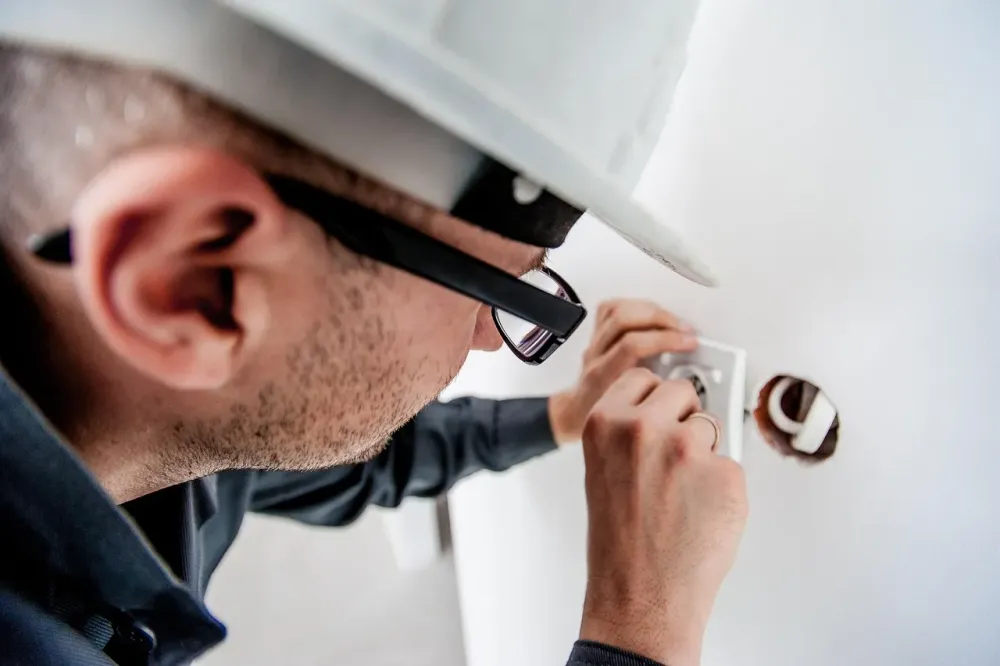
Check the electrical system Check sockets, switches and wires for signs of burnt or aging. Use a multimeter to test the voltage to make sure the wiring is normal.
Repair leaks Check water pipe joints and valves for leaks, use waterproof tape or replace seals to repair them.
Replace damaged parts If the socket or faucet is damaged, replace it with a new part that meets the specifications. Make sure the installation is firm and not loose.
Test the system After repair, turn on the power and water source and test whether the electrical appliances and water flow are normal. Confirm that there is no leakage of electricity or water.
Common problems and solutions
No power in the socket: Check whether the switch box is tripped or whether the internal wiring of the socket is loose.
Leaking water pipes: Check whether the joints are loose and replace the seals or pipes if necessary.
Ageing wires: Replace old wires to ensure compliance with safety regulations.
Maintenance recommendations
Periodic inspections: Inspect the water and electricity system every 6 months and record abnormal conditions.
Use high-quality materials: Choose certified electrical wiring and water pipes to ensure durability.
Avoid overloading: Reasonably allocate the use of electrical appliances to prevent circuit overheating.
When to seek professional assistance?
If main lines or complex water pipe systems are involved, it is recommended to contact a professional plumber technician. Doing it yourself may lead to safety risks.
Conclusion
Plumbing repairs require caution and expertise. Through regular inspections and correct repairs, you can ensure the stability of your home's systems. Get your water and electricity systems checked today to create a safe home environment!
🇹🇼 Expat Living Note: Home Repairs in Taiwan
If you are an international resident renting an apartment in Taipei, New Taipei, or anywhere in Taiwan:
Voltage & Electrical Safety: Taiwan standard household voltage is 110V (60Hz). Do not plug 220V imported European/UK appliances directly without a certified step-up transformer.
Plumbing Terminology: Local plumbers are called 水電 (Shuǐdiàn) and handle both water and electrical repairs.
Landlord Obligations: Under Article 429 of Taiwan Civil Code, landlords are legally responsible for repairing natural wear and tear (such as hidden wall pipe leaks, water heater faults, or booster pump failures) unless explicitly waived in your lease.
Legal Disclaimer
The information provided on this website is for general educational and reference purposes only. For hazardous repairs involving live 220V electrical circuits, main gas lines, or structural wall drilling, always consult certified, licensed technicians. SOSfix disclaims any liability for personal injury or property damage resulting from DIY repair attempts.